“The Hollow Shell of Non-Judgmental Culture: How Social Media Platitudes Mask the Erosion of Tikanga” - 12 July 2025
A Dangerous Deception Disguised as Wisdom
Mōrena whānau,
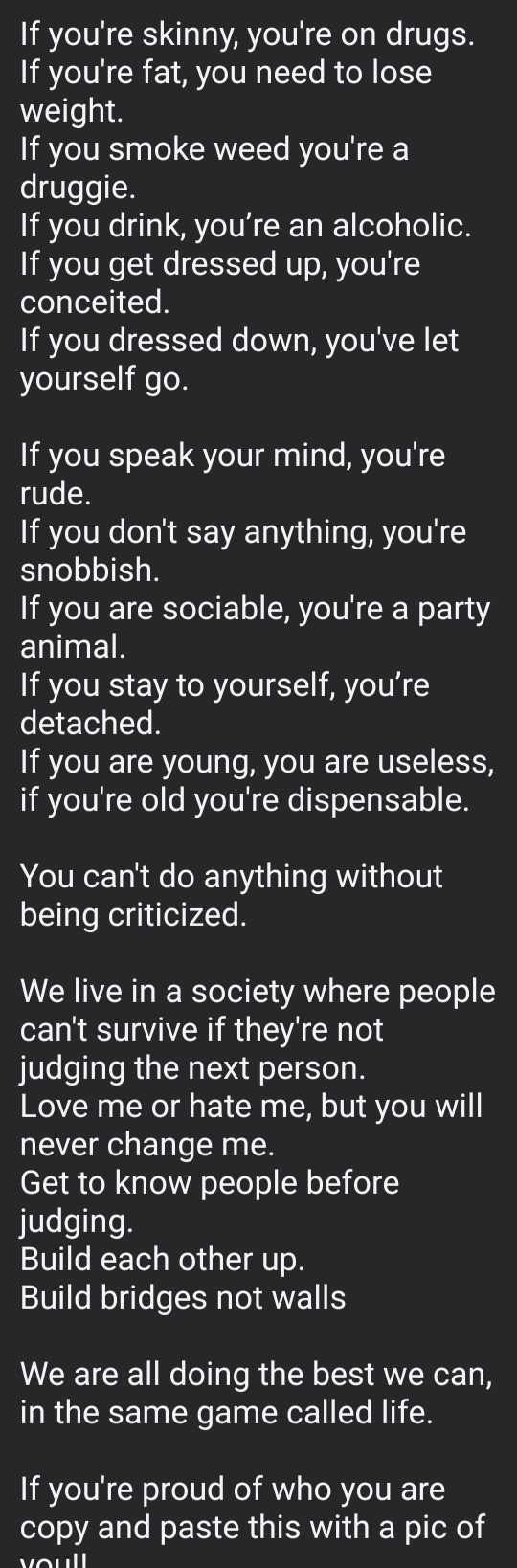
In the swirling vortex of social media sanctimony, where empty platitudes masquerade as wisdom, we find ourselves confronting a deeply troubling manifestation of moral vacancy. The viral post examined here presents itself as enlightened philosophy, yet beneath its saccharine surface lies a dangerous erosion of the very foundations that have sustained human communities for millennia. This analysis reveals how Western neoliberal culture has weaponized the concept of "non-judgment" to create a society devoid of accountability, while simultaneously undermining Indigenous wisdom systems like tikanga Māori that have always provided sophisticated frameworks for community standards and collective responsibility.
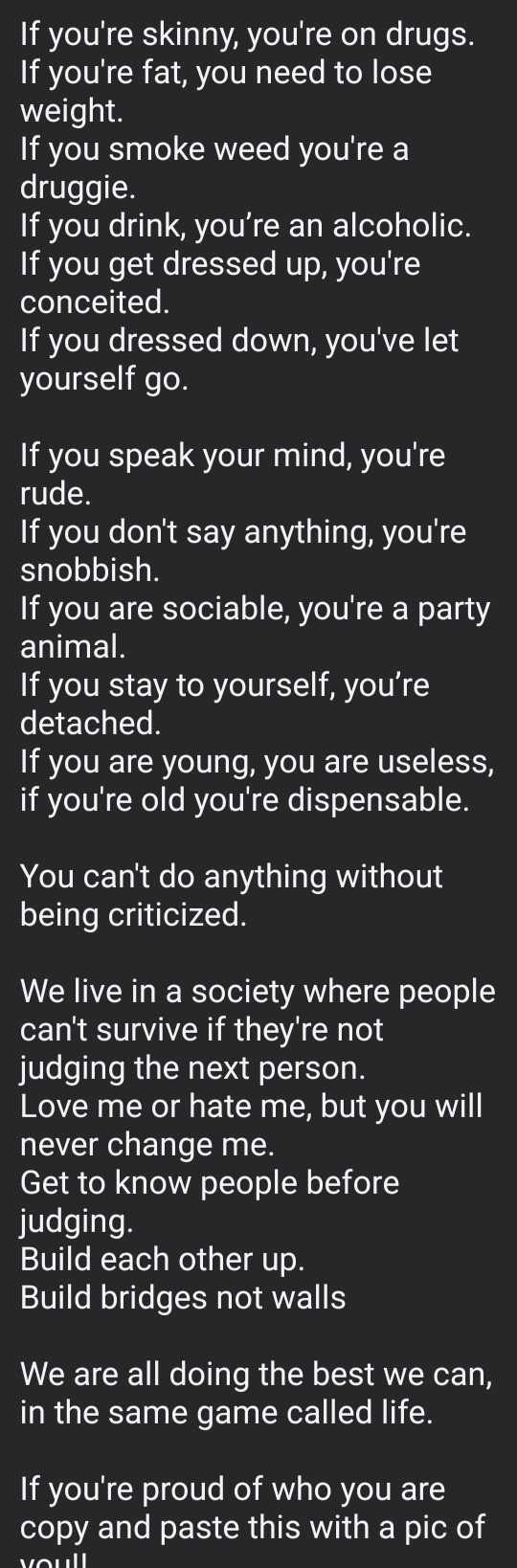
Facebook viral post
Background: The Seductive Lie of Moral Neutrality
To understand the fundamental deception at play, we must first recognize that the concept of being "non-judgmental" is itself a Western construct that emerged from decades of antipathy toward moral authority. Since the 1920s, Western culture has systematically dismantled traditional structures of community accountability, replacing them with what masquerades as tolerance but is actually moral abdication. This process has been aided by social scientists, intellectuals, and activists who have promoted the diseasing of judgment as a progressive ideal.
The post in question epitomizes this cultural rot, suggesting that any form of evaluation or standard-setting is inherently oppressive. Yet tikanga Māori demonstrates that judgment and accountability are not synonymous with oppression - they are essential to maintaining community harmony and individual growth. The Māori concept of tika (correctness) and the broader system of tikanga provides a framework for ethical behavior that is both accountable and nurturing.
Deconstructing the Viral Lie
The social media post presents a litany of supposed societal judgments, from appearance to lifestyle choices, suggesting that any form of evaluation is inherently wrong. The post concludes with the seemingly progressive message that we should "build each other up" and "build bridges not walls." However, this superficial wisdom masks a profound misunderstanding of how healthy communities function.
The post's central fallacy lies in its conflation of legitimate community standards with arbitrary judgment. In tikanga Māori, the concept of utu (reciprocity) and ea (balance) demonstrates that accountability is not about punishment but about restoring harmony. The post's blanket rejection of all judgment effectively eliminates the possibility of meaningful accountability, creating what researchers have identified as a "culture of non-judgmentalism" that paradoxically becomes extremely judgmental of anyone who dares to maintain standards.
The Neoliberal Agenda Behind Non-Judgmental Culture
The promotion of non-judgmental culture serves a specific neoliberal agenda that benefits those in power while undermining community solidarity. When societies abandon shared standards, they become vulnerable to manipulation by those who understand that the absence of collective values creates space for individual exploitation. The post's message serves to pacify potential resistance by suggesting that any attempt to hold others accountable is inherently wrong.
This phenomenon is particularly insidious because it co-opts the language of social justice while serving fundamentally conservative ends. The emphasis on being "non-judgmental" creates what researchers have termed a "paradox" where the absence of objective moral standards actually facilitates public scrutiny and consequences based on subjective, often manipulated criteria. Rather than creating genuine tolerance, this system produces what can only be described as mob rule disguised as progressive values.
The post's rejection of legitimate community standards plays directly into the hands of those who benefit from social chaos. When communities cannot maintain collective standards, they become vulnerable to external control and manipulation. The erosion of tikanga and other Indigenous value systems has always been a key component of colonial control, and the current push for "non-judgmental" culture continues this destructive legacy.
The Māori Alternative: Tikanga as True Accountability
In stark contrast to the hollow platitudes of social media philosophy, tikanga Māori offers a sophisticated system of accountability that actually achieves what the post claims to want: genuine community harmony and individual growth. Tikanga encompasses not just rules but values that inform behavior, creating a framework that is both flexible and accountable.
The Māori concept of whanaungatanga (kinship relationships) demonstrates that true community building requires standards and expectations. Unlike the post's suggestion that we should accept all behavior without question, tikanga recognizes that maintaining relationships requires addressing breaches and working toward resolution. This is not about punishment but about restoration and growth.
The principle of utu shows how accountability can be healing rather than destructive. When someone transgresses community standards, the focus is not on condemnation but on finding appropriate ways to restore balance and harmony. This might involve reciprocal actions, acknowledgment of harm, or specific steps to repair relationships. The goal is always ea - the restoration of harmony and balance.
The post's author fundamentally misunderstands the nature of healthy community relationships. In tikanga, accountability is not about judgment in the Western sense but about maintaining the spiritual and relational connections that sustain community life. The concepts of mana (spiritual power) and tapu (sacredness) provide a framework for understanding why certain behaviors are discouraged - not because they are inherently "bad" but because they disrupt the spiritual and social harmony that communities need to thrive.
The False Binary of Judgment Versus Acceptance
The post creates a false binary between harsh judgment and complete acceptance, ignoring the nuanced middle ground that Indigenous cultures like tikanga Māori have always occupied. The Western concept of judgment tends to be binary and punitive, while tikanga offers a relational approach that seeks to understand behavior in context and work toward restoration.
This false binary serves to shut down legitimate conversation about community standards and individual responsibility. By suggesting that any form of evaluation is inherently wrong, the post effectively eliminates the possibility of meaningful accountability. This is particularly damaging in a society where the absence of shared standards has already created widespread social dysfunction.
The post's message becomes even more problematic when we consider its impact on marginalized communities. Indigenous peoples have always understood that maintaining cultural standards is essential for community survival. The suggestion that we should abandon all judgment effectively undermines the very mechanisms that have allowed Indigenous communities to maintain their identity and values in the face of colonial pressure.
Implications for Māori Communities
The message promoted in this post has particular implications for Māori communities, who have always understood that maintaining tikanga requires the ability to distinguish between appropriate and inappropriate behavior. The post's blanket rejection of judgment undermines the very foundations of Māori cultural practice.
In tikanga, the concept of take (issues requiring attention) demonstrates that communities must be able to identify and address problems. The suggestion that we should accept all behavior without question effectively eliminates the possibility of maintaining cultural standards or addressing harm within the community.
The post's message also undermines the Māori concept of collective responsibility, which requires that community members hold each other accountable for maintaining cultural values. When individuals transgress community standards, it is not sufficient to simply "accept" the behavior - the community has a responsibility to address the transgression and work toward restoration.
Furthermore, the post's emphasis on individual acceptance ignores the collective dimension of Māori culture, where individual behavior affects the entire community. The suggestion that we should focus solely on individual self-acceptance undermines the recognition that we are all interconnected and have responsibilities to each other.

The Māori Green Lantern fighting misinformation and disinformation from the far right
Reclaiming Authentic Accountability
The viral post examined here represents a dangerous trend in contemporary Western culture - the abandonment of legitimate community standards in favor of hollow platitudes about acceptance. While masquerading as progressive wisdom, this message actually serves to undermine the very foundations of healthy community life.
Tikanga Māori demonstrates that true community harmony requires both compassion and accountability. The concepts of whanaungatanga, utu, and ea show that it is possible to maintain standards while still showing care and respect for individuals. The goal is not to condemn or exclude but to create the conditions for genuine healing and growth.
Rather than accepting the false binary presented in the post, we must reclaim the sophisticated understanding of accountability that Indigenous cultures have always provided. This means rejecting the neoliberal agenda that promotes moral relativism as a cover for exploitation and embracing the challenging work of building communities that can hold both truth and compassion.
The path forward requires us to move beyond the superficial slogans of social media philosophy and engage with the deeper wisdom of our ancestors. Tikanga Māori offers a framework for accountability that is both rigorous and healing, providing a model for communities seeking to maintain standards while still showing genuine care for all members.
As we navigate the complexities of modern life, we must remember that true community building requires more than just acceptance - it requires the courage to hold each other accountable to the values that sustain us all. Only by embracing this challenge can we hope to create the kind of communities that our ancestors envisioned and that our descendants deserve.
The hollow shell of non-judgmental culture offers nothing but moral vacancy disguised as virtue. It is time to reclaim the authentic accountability that tikanga Māori and other Indigenous wisdom traditions have always provided, creating communities that are both compassionate and strong enough to sustain the challenges ahead.
I'm humbled to ask those who find value in this analysis to consider making a koha to support the ongoing work of exposing these destructive narratives: HTDM: 03-1546-0415173-000. Given these tough economic times for whānau, please only contribute if you have capacity and wish to do so.
Ngā mihi nui,
Ivor Jones - The Māori Green Lantern