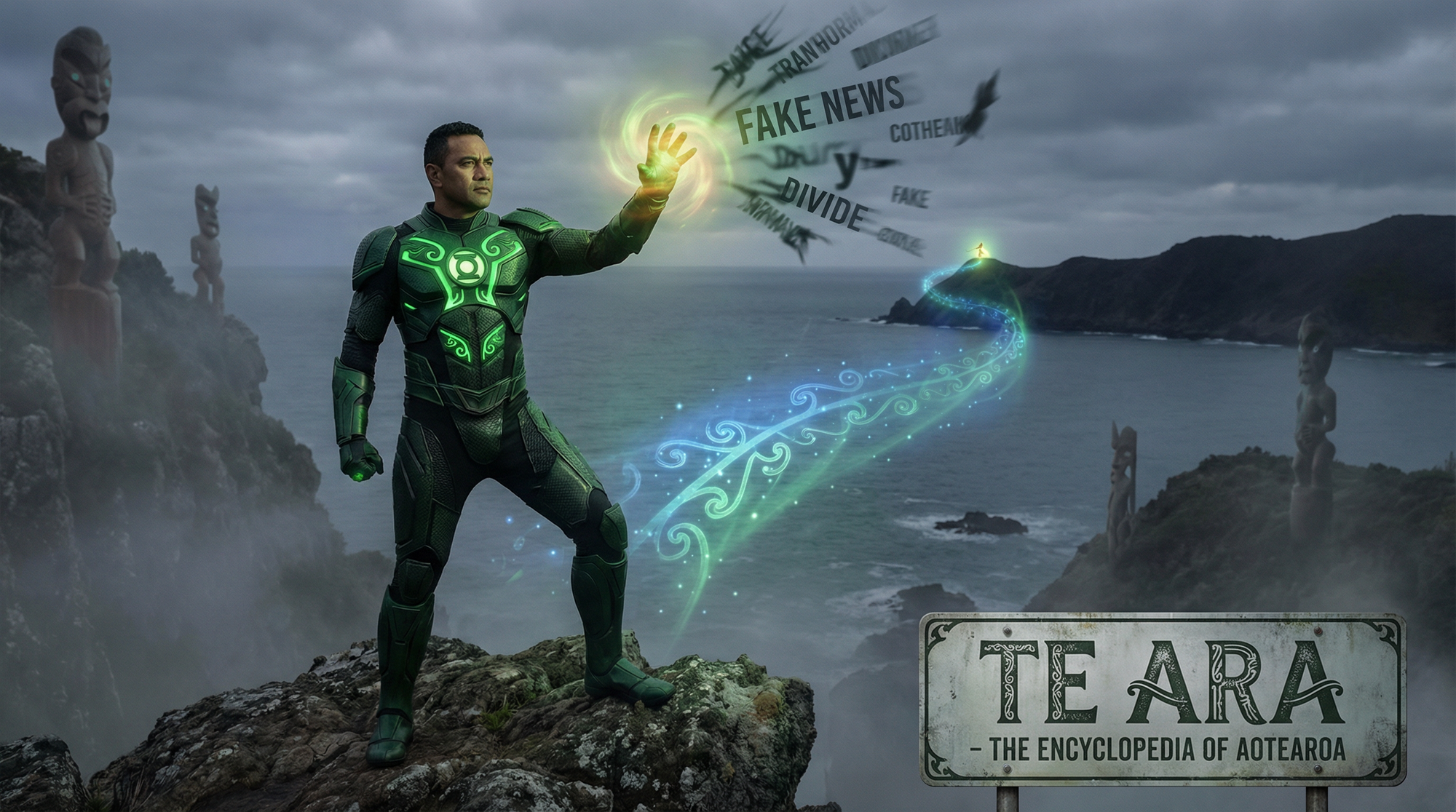
“The Many Hands That Carved Up Aotearoa's Fourth Estate: How Corporate Colonialism Destroyed Our Media Democracy” - 29 June 2025
The Surveillance State Has Many Accomplices
Kia ora koutou katoa. Ko Ivor Jones ahau, The Māori Green Lantern. Today I expose how a web of corporate interests, neoliberal politicians, and surveillance capitalists have systematically dismantled New Zealand's media landscape, leaving our people vulnerable to misinformation while enriching foreign tech giants.
When Digital Colonialism Meets Old-School Corporate Greed
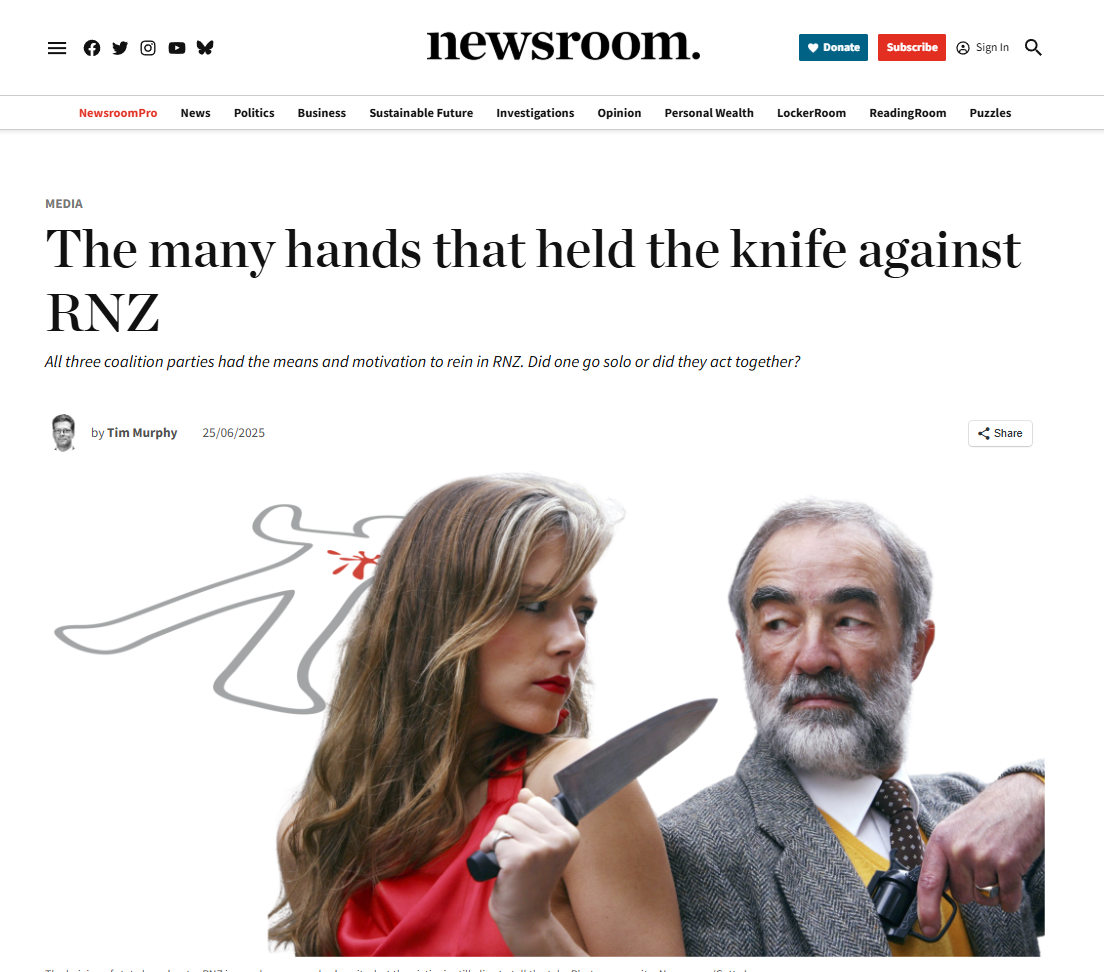
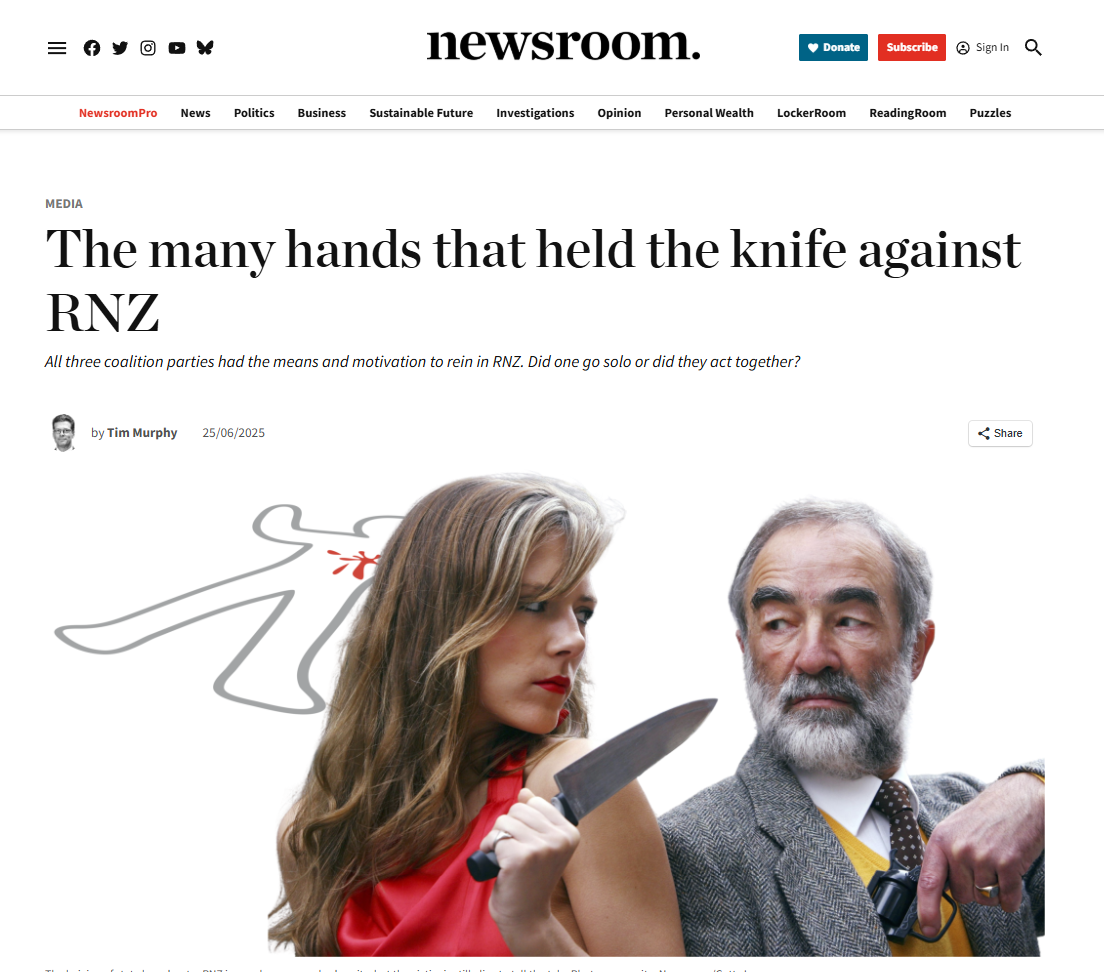
The newsroom.co.nz headline speaks of "many hands holding the knife against RNZ", but the truth runs far deeper than budget cuts. This is about digital colonialism strangling indigenous voices while corporate surveillance capitalism extracts wealth from our communities. The knife against RNZ represents a broader assault on media sovereignty designed to silence dissent and concentrate power in fewer hands.
Understanding the Colonial Media Framework
New Zealand's media landscape operates within a framework of digital colonialism where Big Tech corporations control computer-mediated experiences, giving them direct power over political, economic and cultural domains of life[1]. This represents what scholars call "imperial control" - the systematic domination of information flows by foreign corporations.
Google captures about 55 percent of digital advertising revenue in New Zealand, while Facebook receives about 6 per cent[2]. This extraction economy mirrors the colonial appropriation of natural resources, except now it's our data, attention, and democratic discourse being harvested for profit.
Media ownership has become concentrated in the hands of global finance[3], with three major players owning 80% plus of the New Zealand media[3]. This concentration represents a fundamental threat to tino rangatiratanga and democratic self-determination.
The Systematic Destruction of Public Media
The current crisis facing New Zealand media represents the culmination of decades of neoliberal assault on public institutions. Budget 2025 cuts RNZ funding by $18 million over four years while allocating $6.4 million to local journalism initiatives[4] - a classic "robbing Peter to pay Paul" scenario designed to weaken independent journalism.
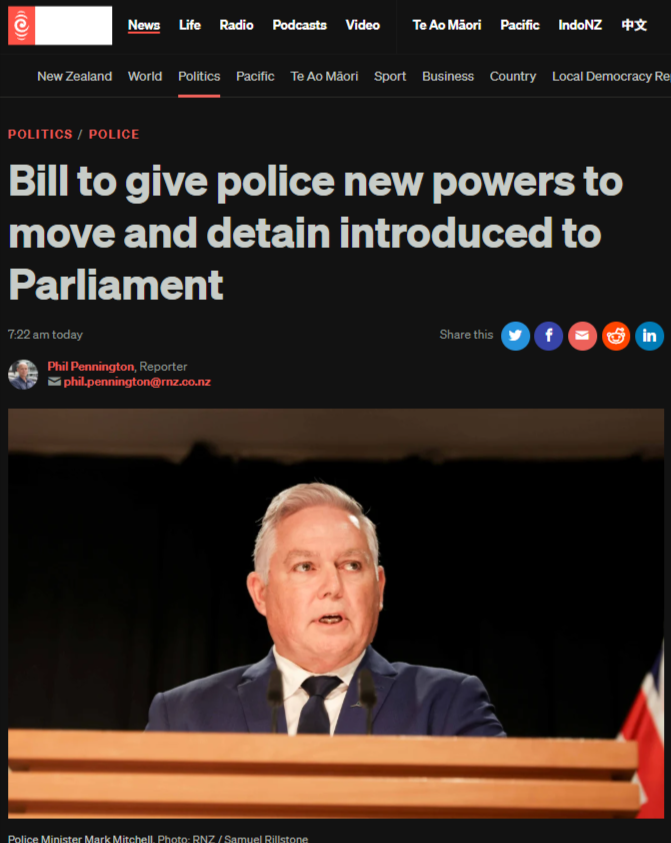
Media and Communications Minister Paul Goldsmith - the same politician overseeing harsh sentencing reforms that disproportionately impact Māori - claims RNZ must "deliver the same efficiency and value-for-money as the rest of the public sector"[5]. This market fundamentalism treats journalism as a commodity rather than recognising its role as essential democratic infrastructure.
Meanwhile, Whakaata Māori faces a $9.5 million funding decrease[6], representing a 20 percent budget reduction that specifically targets indigenous media voices. This attack on Māori media sovereignty aligns with the broader colonial project of information control.
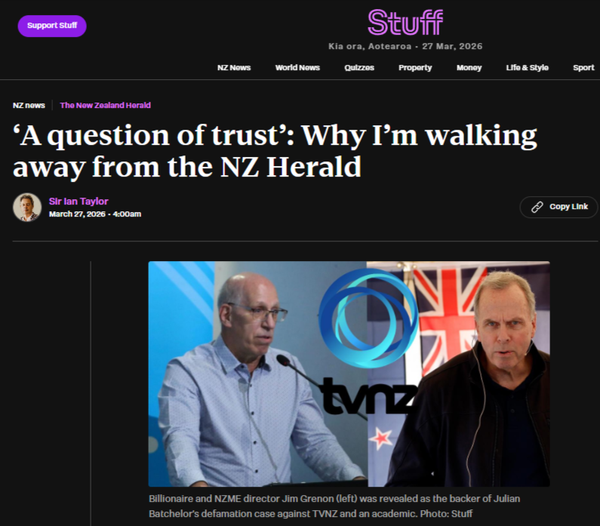
The private sector carnage tells the same story: Warner Bros Discovery shut down Newshub operations[7], TVNZ cut Fair Go and Sunday programmes[8], and NZME announced 38 job losses[9]. Each closure represents fewer voices challenging power and more concentrated control over information flows.
Corporate Colonialism and Digital Extraction
The destruction of New Zealand media serves multiple colonial interests. First, it eliminates competition for the digital advertising duopoly of Google and Facebook, which if paying fair shares would owe U.S. news outlets $14 billion annually[10]. In New Zealand, publishers could benefit by $30-50 million annually under fair bargaining legislation[2].
Surveillance capitalism operates by harvesting our digital data for commercial gain[11], creating what scholars call "a system of global surveillance capitalism" where Big Data violates privacy and concentrates economic power in US corporations[1].
The weakening of local media makes communities more vulnerable to algorithmic manipulation and foreign interference. When people can't access reliable local news, they become dependent on social media platforms that operate on false assumptions about consumer consent to persistent tracking[11].
Neoliberal Political Architecture
The political class enabling this destruction operates according to neoliberal doctrine that prioritises individual choice over societal good and seeks to remove government from markets[12]. Paul Goldsmith embodies this ideology perfectly - simultaneously cutting public media while promoting "efficiency" rhetoric that treats journalism as a business rather than democratic infrastructure.
Deputy Prime Minister Winston Peters' threat to cut RNZ funding because "you're an abuse on the taxpayer"[5] reveals the authoritarian impulse behind neoliberal "reform." This echoes historical patterns where political interference in public broadcasting[13] serves to weaken independent journalism.
The broader neoliberal attack on Te Tiriti[12] connects directly to media colonisation. By weakening indigenous media voices through funding cuts, the government reduces Māori capacity to challenge colonial narratives and defend tino rangatiratanga.

Surveillance State Partnerships
The intersection of corporate surveillance and state power creates new forms of imperial control. Global North intelligence agencies partner with their own corporations to conduct mass surveillance in the Global South[1], while local media cuts reduce oversight capacity.
The concentration of media ownership facilitates surveillance by reducing the number of independent voices questioning tech giants' data harvesting practices. When economic pressures force news journalism to become complicit in surveillance capitalism[14], democratic accountability suffers.
This creates what academics call a "lifecycle of surveillance in media" where financial dependence on digital platforms makes news organisations reluctant to challenge surveillance practices that harm their communities.
The Colonial Logic of "Efficiency"
The rhetoric of "efficiency" and "value for money" masks a colonial logic that treats Māori perspectives and public interest journalism as luxuries rather than necessities. When Goldsmith demands RNZ operate with "tightened fiscal constraint"[15], he's applying market fundamentalism that ignores journalism's role in protecting democracy.
This mirrors broader neoliberal patterns where privatisation and competition led to income inequality and unequal distribution of health determinants, disproportionately burdening Māori and Pacific peoples[16]. Media cuts represent the same colonial logic applied to information sovereignty.
The Better Public Media Trust correctly identifies this as "driving public service media into the same economic crisis as the commercial media sector"[4]. This deliberately weakens institutions that might challenge corporate power or amplify indigenous voices.
Implications for Māori Communities and Democratic Sovereignty
The systematic destruction of public media particularly harms Māori communities by reducing platforms for indigenous voices and perspectives. Whakaata Māori's 25% budget cut[17] directly undermines te reo revitalisation and Māori storytelling traditions.
This connects to broader patterns of digital colonialism where US multinationals exercise imperial control at the architecture level of digital ecosystems[1]. When local media disappears, communities become more dependent on foreign-controlled platforms that profit from surveillance while offering no accountability to local values or interests.
The emergence of "news deserts"[18] creates information vacuums that foreign disinformation campaigns can exploit. This particularly threatens Māori communities already facing coordinated attacks on co-governance and Treaty rights.
The concentration of media ownership into fewer corporate hands represents a fundamental threat to mana motuhake and tino rangatiratanga. When three companies control 80% of media, indigenous voices get marginalised while corporate interests dominate public discourse.
Reclaiming Media Sovereignty Through Collective Action
The many hands holding the knife against RNZ include tech giants extracting advertising revenue, neoliberal politicians cutting public funding, surveillance capitalists harvesting our data, and corporate media owners prioritising profit over democracy. This represents a coordinated assault on information sovereignty designed to weaken resistance to colonial capitalism.
But our response must be equally coordinated. We need community-controlled media that serves people rather than profit, digital platforms that respect privacy and indigenous rights, and political leaders who understand media as essential democratic infrastructure rather than corporate commodity.
The fight for media democracy connects directly to broader struggles for tino rangatiratanga, environmental protection, and social justice. When we defend public broadcasting, we defend our right to tell our own stories and challenge corporate power.
As kaitiaki of information sovereignty, we must support independent media, challenge surveillance capitalism, and build alternative platforms that serve community rather than corporate interests. The knife may be sharp, but our collective mana is stronger.
Readers who find value in this analysis and wish to support continued media criticism that challenges corporate power are invited to consider a koha to HTDM: 03-1546-0415173-000. The MGL understands these tough economic times for whānau so please only contribute if you have capacity and wish to do so.
Kia kaha, kia māia, kia manawanui.
Ivor Jones The Māori Green Lantern