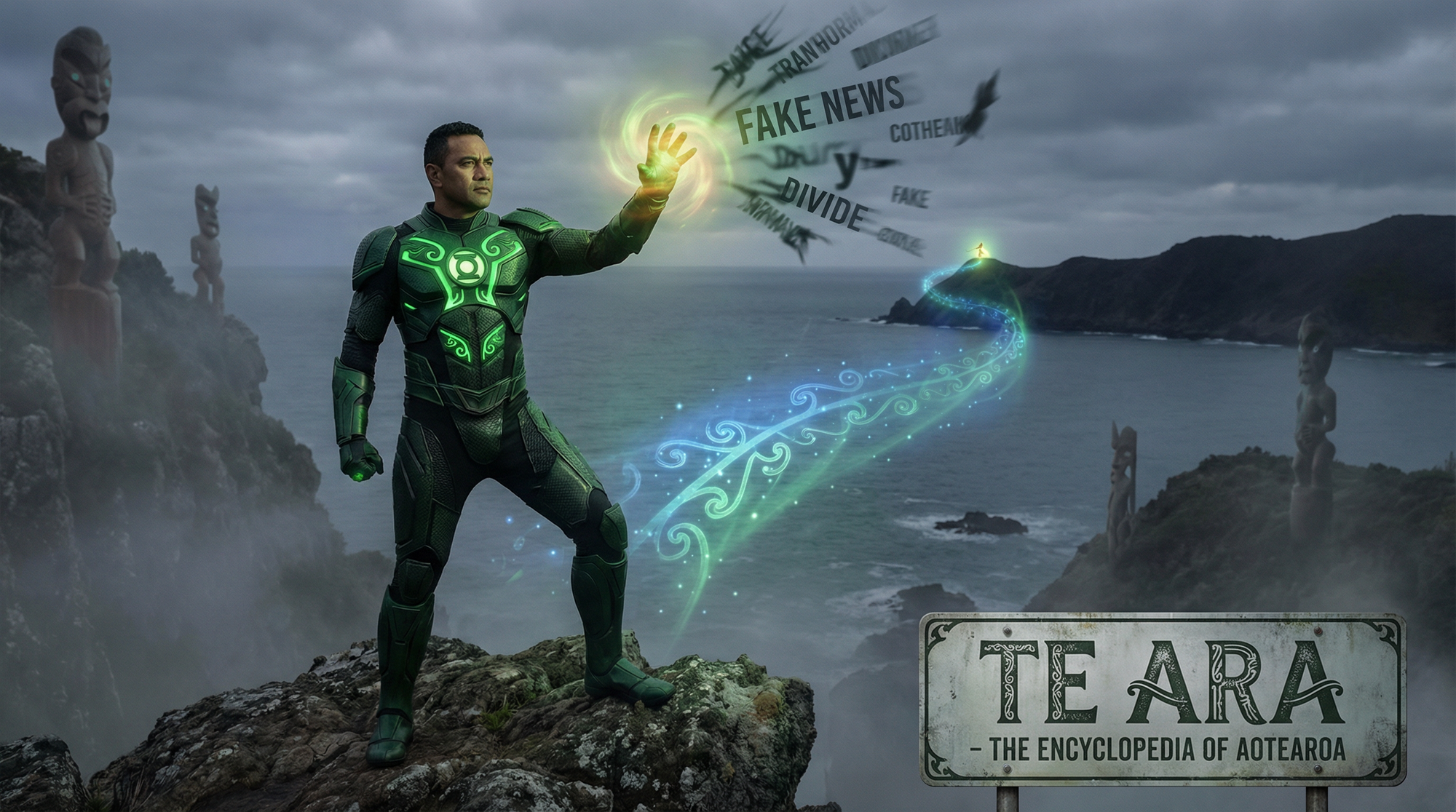
“The Rent-Seeking Racket: How Luxon and His Cronies Double-Dip from the Public Trough While Māori Go Without” - 29 August 2025
When political landlords profit from the very system they're supposed to serve
Kia ora whānau - greetings, family.
Christopher Luxon and his National Party mates have turned Parliament into their personal cash cow, extracting over $200,000 in rental payments from taxpayers while preaching fiscal responsibility to everyone else. This brazen double-dipping exposes the rotten core of neoliberal politics where the wealthy exploit public resources for private gain, all while Māori communities struggle for basic housing and services. The mana whenua deserve to know how these colonial rent-seekers are pillaging the public purse while denying tangata whenua their rightful place in Aotearoa's governance.
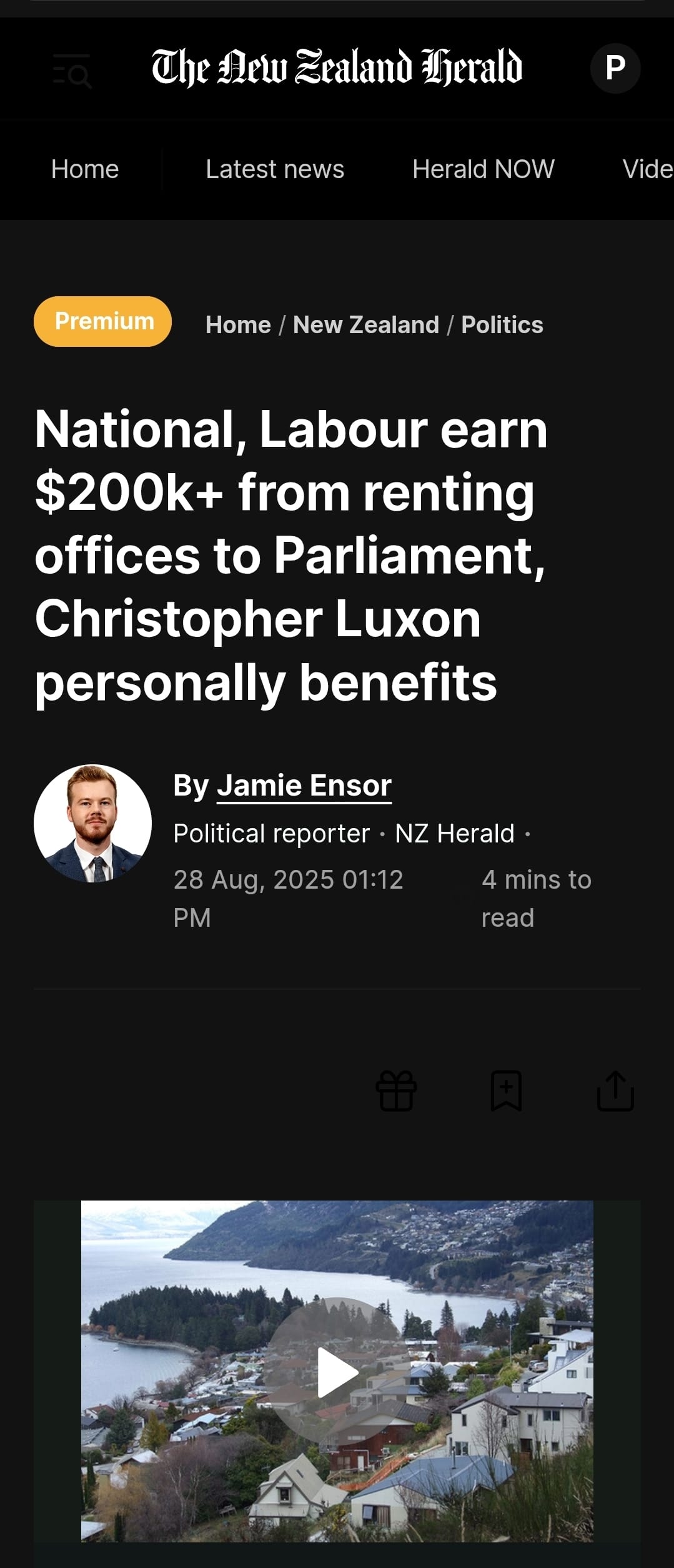
https://www.nzherald.co.nz/nz/politics/national-labour-earn-200k-from-renting-offices-to-parliament-christopher-luxon-personally-benefits/QBYEDMGOKFG6BBUW5FDPGKSWL4/
The Neoliberal Shell Game
To understand this corruption, we must first grasp how neoliberalism operates as a sophisticated wealth extraction mechanism disguised as sound economic policy. The term "rent-seeking" describes exactly what Luxon and his property-owning cronies are doing - using political power to generate income without creating value. For Māori, this represents a continuation of colonial extraction where Pākehā elites enrich themselves from resources that should serve the collective good.
Parliamentary accommodation allowances were originally designed to help MPs serve their constituents, particularly those from remote areas. However, the current system allows parties or affiliated groups to receive taxpayer-funded rent payments for electorate offices, creating perverse incentives for political property ownership. This violates the Māori value of whakatōhea (collective responsibility) by prioritizing individual enrichment over community service.
The historical context matters deeply. Since colonization, Pākehā have used legal and political mechanisms to extract wealth from Māori land and resources. Today's parliamentary rent-seeking follows this same pattern - using institutional power to siphon public money into private pockets while denying Māori adequate housing, healthcare, and education funding.
The Luxon Property Empire
The scale of this grift is staggering. Christopher Luxon owns seven properties, including one office rented to Parliamentary Service for his electoral office at approximately $1,000 per week, meaning taxpayers are directly funding his property portfolio. This represents over $52,000 annually flowing from public coffers into Luxon's personal wealth accumulation.
But Luxon is just the tip of the iceberg. National's Carlos Cheung operates as the biggest parliamentary landlord with five rental properties in Auckland plus two property investment companies. Cabinet Minister Matt Doocey part-owns the Avonhead Shopping Centre, while Mark Mitchell maintains three rental properties alongside two family homes.
This systematic property accumulation by National MPs occurs during Aotearoa's worst housing crisis in generations. For Māori, who experience homelessness at rates far exceeding the general population, watching politicians profit from the very accommodation systems meant to serve constituents represents a profound violation of manaakitanga (hospitality and care for others).
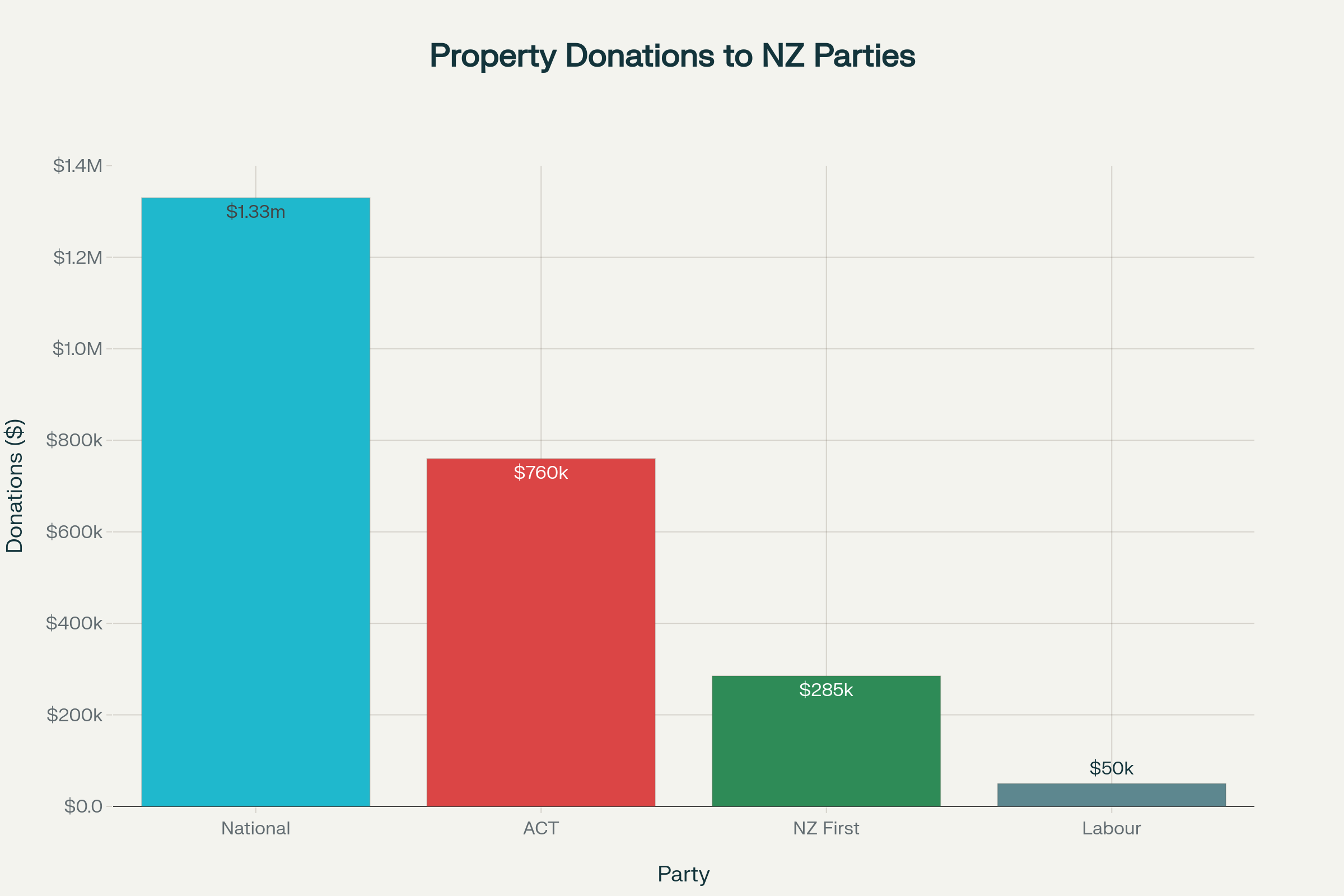
Property Industry Donations to NZ Political Parties (Since 2021)
The property industry's influence extends far beyond individual MPs' portfolios. Since 2021, property industry donors have contributed over $2.5 million to political parties, with 53% going to National, 32% to ACT, and 12% to NZ First. Labour received a measly 2%, highlighting how the property-owning class invests in parties that will protect their interests.
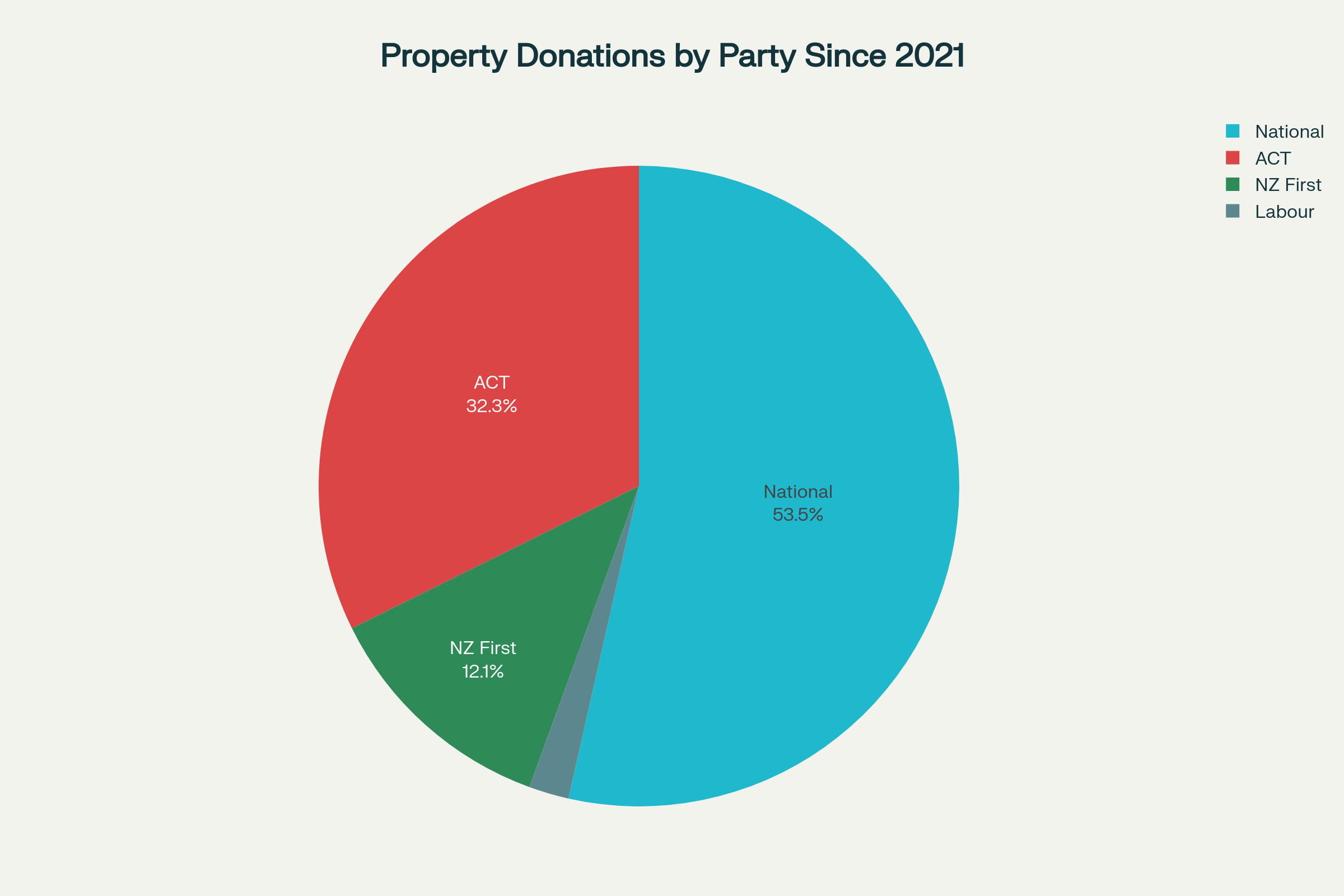
Share of Property Industry Donations by Party (Since 2021)
The Institutional Capture
This corruption extends beyond individual enrichment into systematic policy capture. Victoria University researcher Max Rashbrooke found that property industry donors enjoy "constant level of access that mere mortals can only dream of", with donations making it easier to secure meetings with ministers. This violates the democratic principle of equal access while embedding property interests into policy-making processes.
The connections run deep. Christopher Meehan's companies donated $206,154 to National and ACT, then received public support from Housing spokesman Chris Bishop in his legal battle against Kāinga Ora. Bishop claimed ignorance of the donations, but this pattern of quid pro quo relationships exposes how money flows translate into political influence.
For Māori, this represents a systematic exclusion from power. While property moguls buy access to decision-makers, tangata whenua struggles for meaningful consultation on policies affecting their communities. The principle of tino rangatiratanga (self-determination) becomes meaningless when political processes are captured by wealthy Pākehā interests.
The Parliamentary Slush Fund
The broader parliamentary funding system enables this corruption. Parliamentary Service's budget reached $213 million in 2022-23, including approximately $134 million in "party and member support" over three years. These massive public subsidies ostensibly support parliamentary operations but often blur into partisan activities and personal enrichment.
National received $41.8 million in parliamentary funding during this period, while Labour got $69.8 million. These figures dwarf the resources available to Māori organizations fighting for basic recognition and rights. The disparity illustrates how colonial institutions prioritize their own perpetuation over addressing historical injustices or contemporary inequities.
The system's opacity enables abuse. Former Speaker interviews revealed that "everything is used politically" in parliamentary spending, making it impossible to distinguish between legitimate parliamentary expenses and partisan electioneering. This lack of transparency violates the Māori value of pono (integrity and truthfulness) that should govern public institutions.
The Broader Pattern of Extraction
This parliamentary rent-seeking connects to wider patterns of neoliberal extraction that particularly harm Māori. While politicians profit from public accommodation allowances, National has admitted building only 45 new public houses despite Luxon's false claims of 7,000 homes. This represents a deliberate policy of enriching property owners while denying housing to those most in need.
The contradiction exposes neoliberalism's fundamental dishonesty. Politicians like Luxon preach individual responsibility and fiscal restraint while personally benefiting from generous public subsidies. They demand austerity for public services while ensuring their own comfort through taxpayer-funded arrangements.
For Māori, this hypocrisy is particularly galling. Colonial governments seized millions of acres of Māori land through legal manipulation and military force, then established systems ensuring ongoing Pākehā enrichment. Today's parliamentary rent-seeking continues this tradition of using institutional power to extract wealth from public resources.
Implications for Democratic Legitimacy
This corruption undermines democratic legitimacy by creating systemic conflicts of interest. When MPs personally profit from parliamentary systems, their incentives become misaligned with public service. The principle of kaitiakitanga (guardianship) requires leaders to protect collective resources, not exploit them for personal gain.
The broader community impact extends beyond individual enrichment. When public resources flow to already-wealthy politicians instead of essential services, everyone suffers. Māori communities, already marginalized by colonial structures, bear disproportionate costs when public funds are diverted to private pockets.
These patterns connect to larger structures of inequality and colonial domination. The same Pākehā political class that denies Māori co-governance rights ensures their own financial privileges through parliamentary systems. This reveals the true nature of their "equality" rhetoric - rules for others, benefits for themselves.

The Māori Green Lantern fighting misinformation and disinformation from the far right
Christopher Luxon and his National Party cronies have turned Parliament into their personal enrichment scheme, extracting hundreds of thousands in taxpayer-funded rent while denying basic services to those most in need. This represents a continuation of colonial extraction patterns where Pākehā elites use institutional power to accumulate wealth at public expense.
The solution requires fundamental reform of parliamentary funding and accommodation systems, alongside broader challenges to neoliberal ideology. Māori voices must be centered in these conversations, ensuring that public resources serve collective wellbeing rather than individual enrichment.
Most importantly, voters must recognize this corruption for what it is - a systematic violation of democratic principles and Māori values. These rent-seeking politicians have no moral authority to lecture others about fiscal responsibility while personally profiting from the systems they're supposed to serve.
The mana whenua deserves better than these colonial grifters. It's time to expose their hypocrisy and demand genuine accountability.
Readers who find value in my content and wish to support this crucial work exposing corruption and colonial extraction can consider a koha to HTDM: 03-1546-0415173-000. The MGL understands these tough economic times for whānau, so please only contribute if you have capacity and wish to do so.
Mauri ora - life force and well-being to you all.
Ivor Jones
The Māori Green Lantern