“Trump’s Surrender Politics” - 6 December 2025
Trump is Cucked by Putin
Mōrena Aotearoa,
Trump’s pattern of deference to Vladimir Putin is best explained not by “personal chemistry” or abstract realpolitik, but by leverage: Putin almost certainly holds some form of kompromat—financial, legal, or personal—over Trump, and Trump behaves as if he knows it.
That does not mean a single “golden‑showers tape” is proven. The salacious details remain unverified. But across four decades there is a consistent arc: deep financial dependence on opaque Russian‑linked capital, long‑standing KGB/FSB interest in Trump as an asset, a documented Russian operation to help elect him, and an extraordinary record of Trump bending U.S. policy and rhetoric around Putin’s interests—even when it costs American allies lives and territory in Ukraine.
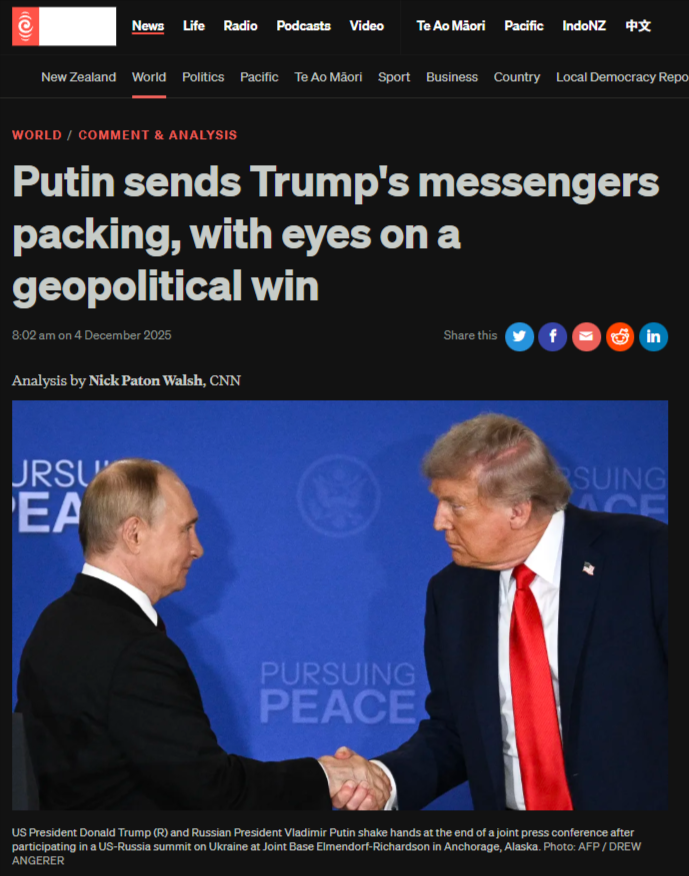
The CNN analysis published via RNZ of Putin’s latest humiliation of Trump’s envoys in Moscow—where Putin luxuriates in being begged by Jared Kushner and Steve Witkoff to accept a Ukraine “peace” deal that largely serves Russian aims—is simply the latest chapter in this story.
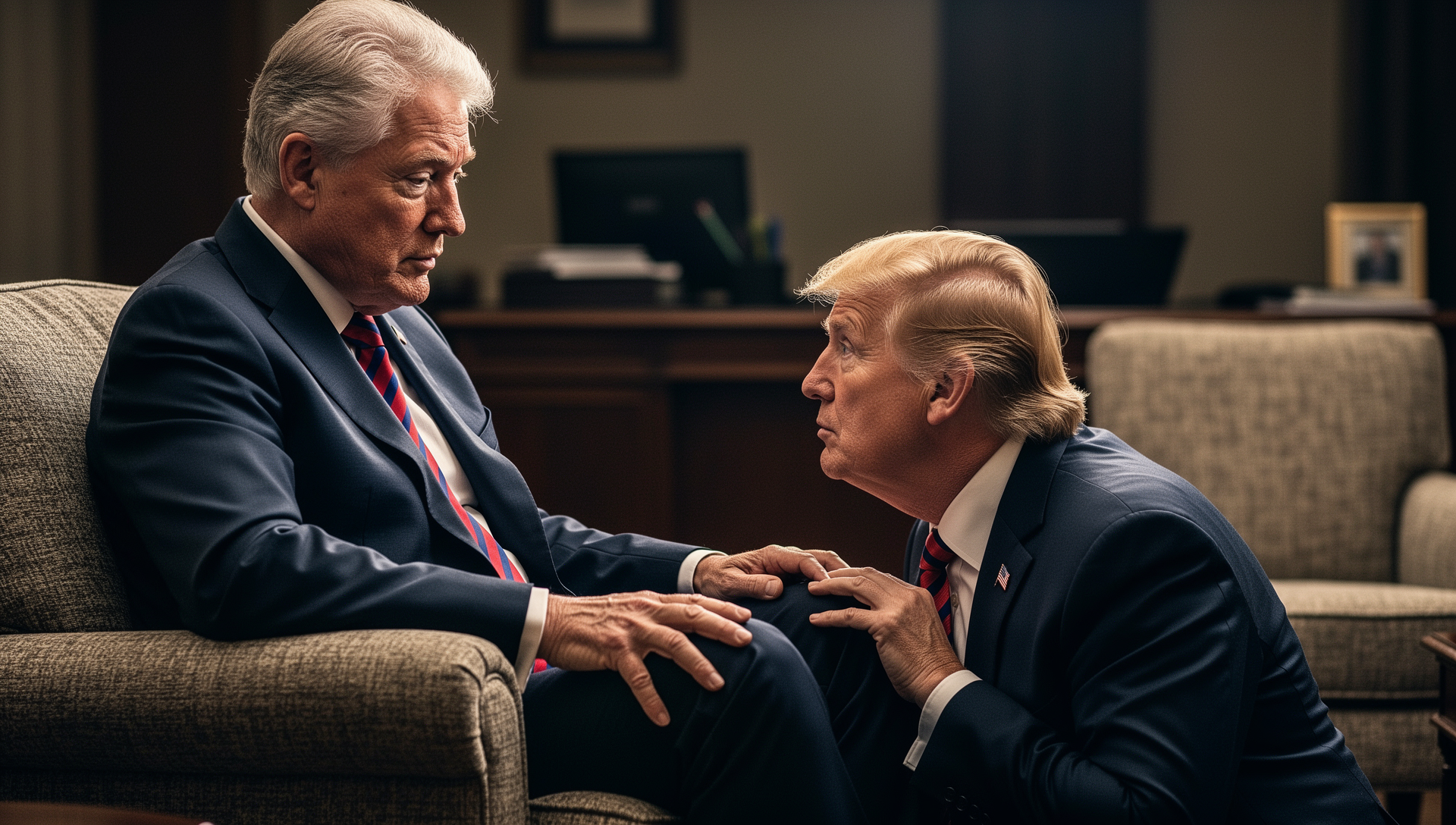
Trump about to blow Bubba
Background: Four Decades of Entanglement
From a Kremlin perspective, Trump is the perfect target:
vain, financially fragile, craving validation, and willing to trade principle for applause. That combination drew Soviet and Russian attention long before he entered politics.
In 1987, Trump travelled to Moscow at the invitation of the Soviet ambassador to the UN. As journalist and historian Craig Unger has documented, this trip likely produced early kompromat and began a long project of cultivating Trump as a Russian asset, with Trump properties used in later years for suspected money‑laundering purchases by Russian mob figures and oligarchs.
By the 1990s and 2000s, after a string of bankruptcies, U.S. banks largely stopped lending to Trump. At that exact moment, foreign money—disproportionately from Russia and former Soviet republics—became central to reviving his empire. ProPublica’s investigation into Trump’s Deutsche Bank relationship revealed that Trump’s own son boasted in 2008 that “Russians make up a pretty disproportionate cross‑section of a lot of our assets,” and documented how Russian and post‑Soviet investors, some tied to organised crime, repeatedly stepped in when Trump could not get U.S. financing.
Deutsche Bank became Trump’s lifeline lender, extending roughly USD 2.5 billion in credit even after he defaulted and sued the bank. At the same time, Deutsche Bank was caught running “mirror trades” that moved about USD 10 billion out of Russia in suspicious fashion, and was fined over USD 600 million for failures that aided Russian money laundering. Congressional inquiries have explicitly asked whether the same channels that served wealthy Russians also created financial leverage over Trump.
By the time of the 2013 Miss Universe pageant in Moscow, Trump was desperate to land a Trump Tower Moscow deal and leaned heavily on Russian oligarch Aras Agalarov to open doors. This trip sits at the centre of later kompromat allegations: it provided ample opportunity for FSB surveillance; it coincided with intense Trump business courtship of the Kremlin; and it is the setting for the most notorious—but still unproven—sexual blackmail claims.
From 2016 onward, the relationship shifted from mostly financial to overtly political. U.S. intelligence unanimously concluded that Putin personally ordered a multi‑pronged influence operation to help elect Trump, harm Hillary Clinton, and undermine faith in U.S. democracy. The Mueller investigation documented “numerous links” between Trump campaign figures and Russian officials or cut‑outs, as well as the sharing of internal polling data with a man later identified as tied to Russian intelligence.
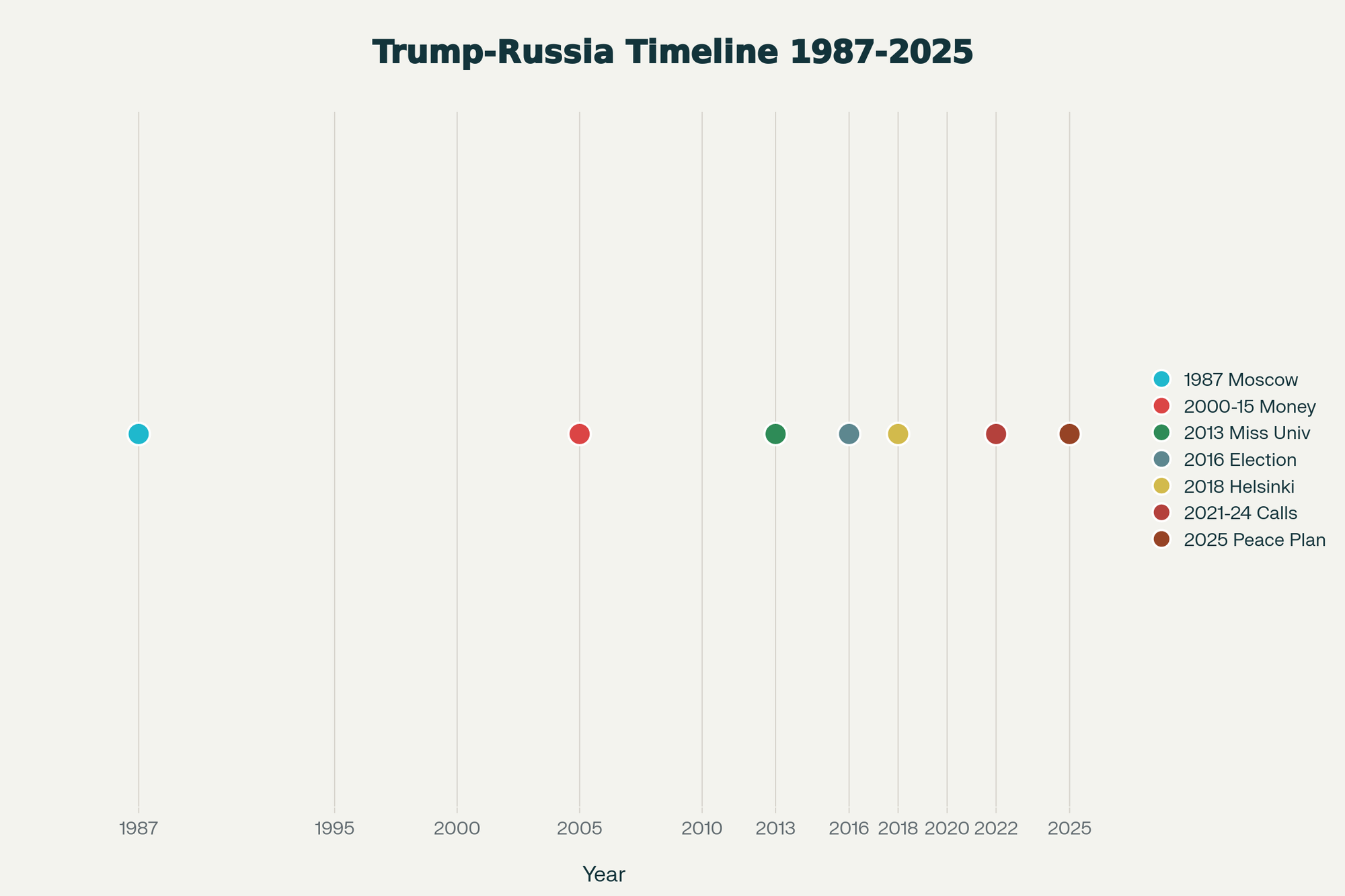
The result is a four‑decade timeline of converging vulnerabilities: money, sex, corrupt deals, and an election victory marred by foreign interference.
Why Kompromat Is the Most Coherent Explanation
A rigorous case that “Putin has kompromat on Trump” does not rest on a single tape. It rests on six interlocking elements:
- Opportunity and tradecraft: Trump repeatedly placed himself in classic KGB/FSB kompromat environments—luxury hotels in Moscow in 1987 and 2013, business negotiations dependent on Kremlin goodwill, and oligarch‑mediated deals—within an intelligence culture that routinely records sex and crime for leverage.
- Financial dependency and opaque capital flows: Trump’s businesses were rescued by foreign and Russian‑linked money when U.S. banks walked away, with Deutsche Bank acting as both his main lender and an established conduit for suspicious Russian funds.
- Documented Russian interference to install him in office: U.S. agencies and multiple investigations confirmed a Kremlin campaign to help Trump win in 2016, centred on exactly the kind of “cultivation” of people in his orbit that Russian intelligence uses to build leverage.
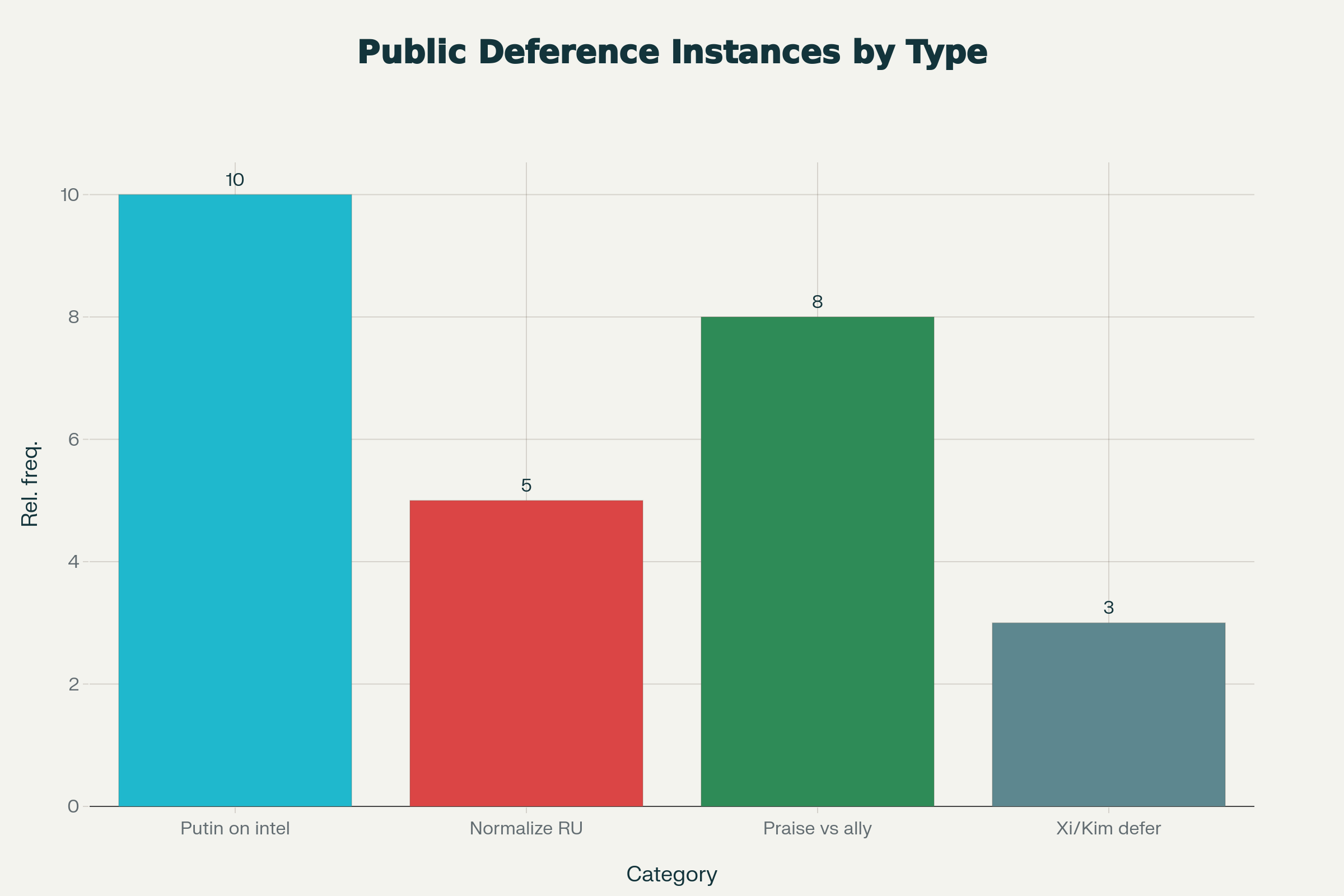
- Trump’s unique pattern of deference to Putin: No other adversarial leader receives comparable protection: as established by CNN’s analysis, Trump has publicly sided with Putin against his own intelligence community, tried to readmit Russia to elite clubs like the G7, and repeatedly undermined sanctions and Ukraine aid.
- Expert suspicion from inside the U.S. security apparatus: According to Woodward’s reporting and interviews, former Director of National Intelligence Dan Coats openly wondered whether Trump’s behaviour toward Putin reflects blackmail, and senior FBI officials have flagged Trump’s Russia ties as a grave counter‑intelligence concern.
- The second‑term Ukraine capitulation project: Trump’s current “peace” initiative—fronted by real‑estate allies Steve Witkoff and Jared Kushner—mirrors core Kremlin aims on territory, NATO and sanctions, and is being conducted in ways that maximise Putin’s leverage and humiliation of the U.S.
Individually, each strand could be explained away. Together, they form a pattern: Trump behaves not like a free agent, but like a man who knows that another power can ruin him—financially, legally, or reputationally—at any time.
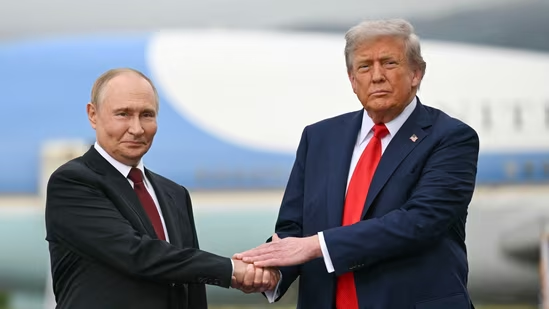
Analysis: Five Hidden Leverage Networks Binding Trump to Putin
1. The Money Pipeline: Deutsche Bank, Russian Laundering, and Trump’s Survival
The most concrete leverage is not a sex tape; it is balance sheets and transaction logs.
Deutsche Bank stood virtually alone in continuing to fund Trump’s projects after his bankruptcies made him toxic to U.S. lenders, extending enormous loans on terms that raised eyebrows even within the bank. At the same time, regulators uncovered that Deutsche Bank’s Moscow and London desks had run “mirror trades” that moved about USD 10 billion out of Russia, in violation of anti‑money‑laundering rules, leading to large fines and monitors.
Investigations and court filings show that the very U.S. unit handling those Russia‑linked trades was also responsible for Trump’s accounts, prompting Congressional inquiries into whether Trump’s finances were entangled in broader Russian schemes, and whether this created “foreign financial leverage” over the sitting president. The evidence further documents that when U.S. financing dried up, wealthy individuals from Russia and former Soviet states bought Trump condos and joined real‑estate partnerships, often through shell companies characteristic of money‑laundering structures.
This creates a simple form of kompromat:
if Russian state organs or oligarchs close to Putin hold documentation that Trump’s empire was propped up by illicit flows or sanctions‑dodging, they effectively hold a loaded gun pointed at his fortune and freedom. The power may never need to be used explicitly; Trump acts as though he knows it exists.
2. The 1987 and 2013 Moscow Trips: From Honeytraps to Tower Dreams
Kompromat is as much about culture as it is about any one operation. According to reporting from 1News based on historian Craig Unger’s research on the 1987 Moscow trip and potential KGB honeytrap operations, that visit fits the classic pattern: identify a vain Westerner with money ambitions, shower him with attention and “opportunities,” and quietly record any indiscretions for future use.
Fast‑forward to 2013: Trump returns to Moscow for Miss Universe, stays in another FSB‑saturated environment, and openly chases a Trump Tower Moscow deal dependent on Kremlin approval and oligarch intermediaries. Even if specific allegations are unproven, the operational picture is clear: twice, across two eras, Trump placed himself in exactly the settings Russian intelligence designs to create kompromat—first as a brash young developer, then as a global celebrity dangling for a Kremlin‑approved tower.
3. The Election Operation: From “Cultivation” to Self‑Blackmail
U.S. intelligence and the Mueller investigation confirmed that Russia ran a multi‑front operation—including hacking, leaks, troll farms and covert media—to tilt the 2016 election in Trump’s favour. The same reporting shows that Russian intelligence “cultivated” people in Trump’s orbit, pursued secret contacts, and harvested data such as internal polling.
This is where self‑blackmail enters. When a man knows that his election owes something to a hostile power’s covert operation, and that his own secrets may be entangled in that story, he does not need an explicit threat to feel trapped.
4. Behaviour as Evidence: Helsinki, “All Roads Lead to Putin,” and Now Ukraine
Behaviour cannot prove kompromat, but it can scream “something is deeply wrong.” Trump’s record with Putin is extraordinary even by the low standards of transactional geopolitics.
At the 2018 Helsinki summit, standing beside Putin, Trump publicly rejected the unanimous findings of U.S. intelligence on Russian election interference and said he didn’t “see any reason why” Russia would have interfered. He described Putin’s denial as “extremely strong and powerful.” Seasoned diplomats and security officials across the spectrum described the performance as a “surrender” that moved suspicion of kompromat from the fringes into the mainstream.
Now, in his second term, that road runs straight through Ukraine. Trump has blocked or delayed aid packages, pressured Republican lawmakers to starve Kyiv of weapons, and launched a personal “peace plan” that—according to leaked reports and coverage—essentially demands Ukraine surrender the entire Donbas, accept permanent neutrality outside NATO, cap its military, and recognise Russian control over occupied regions.
Reporting shows that Trump’s envoy Steve Witkoff even coached Putin aide Yuri Ushakov on how the Russian leader should flatter Trump as a “man of peace” to sell a deal tailored to Russian war aims, and that a 28‑point U.S. draft was so skewed toward Moscow that European governments scrambled to produce a counter‑proposal. Simultaneously, Putin is boasting that his forces will seize the Donbas “by any means,” and Russian troops now occupy about 19 percent of Ukraine’s territory after nearly four years of war.
Nick Paton Walsh’s analysis, published via RNZ, captures the Kremlin psychology: Putin relishes the “sweetness of being begged” by Trump’s envoys to accept concessions, sees that Trump “just wants it to end” regardless of Ukrainian sovereignty, and understands that the longer he drags out talks, the worse the terms become for Kyiv. This is not how a U.S. president behaves if he is free to prioritise American and allied security.
5. Whispered Suspicions at the Top: Coats, Steele, and the New Kompromat Consensus
According to Foreign Policy’s analysis and interviews, former Director of National Intelligence Dan Coats—a Republican and Trump appointee—is quoted as saying Trump’s behaviour toward Putin remained a “mystery” to him and explicitly asking, “Is it blackmail?” This is not a liberal pundit speaking; it is the man responsible for assessing foreign threats at the highest level.
As reported by ProPublica and others, scholars on Russian intelligence and corruption also find it plausible that Trump believes Russia has something on him, even if Putin himself does not control every piece of it. A broader scholarly literature on Russian “reverse structural power” describes how the Kremlin turns Western strengths—open finance, legal arbitrage, capitalist real estate—into vulnerabilities by embedding corrupt capital and covert influence deep inside them. Trump’s empire, with its history of opaque shell‑company purchases by Russian émigrés and mob‑linked figures, looks textbook.
Kompromat as Colonialism: Who Pays the Price?
From a Māori perspective, this is not just palace intrigue between oligarchs; it is a colonial struggle over land, sovereignty, and mauri.
Putin’s war in Ukraine is an imperial land‑grab dressed in fake referendums and “protection” of Russian speakers—language that mirrors old British claims to “protect” Indigenous peoples while seizing their whenua. Every Trump concession that normalises Russian control over occupied territory, or that pressures Kyiv to trade land for peace, is a green light for further raupatu—confiscation by force.
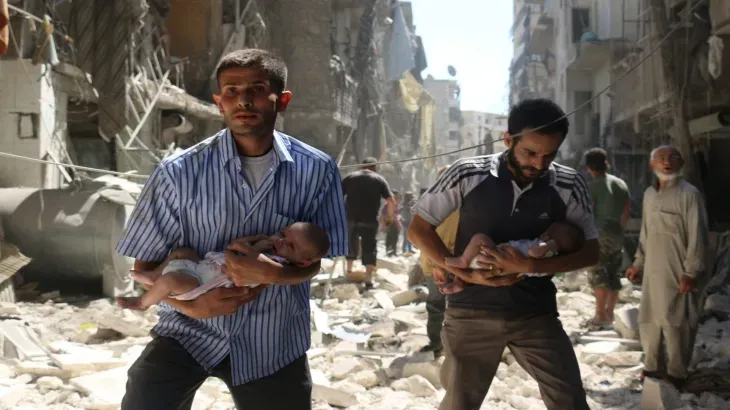
The human cost is staggering. Russian forces have razed Ukrainian towns, displaced millions, and turned basic infrastructure into weapons, while Ukrainian soldiers and civilians endure wave after wave of missile and drone attacks. U.S. officials estimate over 1.2 million killed or wounded on both sides, a toll that rises every month Trump uses Ukraine’s survival as a personal bargaining chip with Putin.
There is also a democratic cost. Russian information operations that boosted Trump in 2016 and beyond were designed to weaken trust in elections, amplify racial divisions, and fuel white‑supremacist and anti‑minority narratives that also harm Māori and Indigenous communities worldwide. A compromised U.S. president who validates those narratives and attacks his own institutions is a force multiplier for global authoritarianism.
In that sense, kompromat is a colonial tool: a way for a declining empire to capture the will of a more powerful state through the corruption of one man, and then use that captured power to crush a smaller nation’s tino rangatiratanga.
Implications: What If the Blackmail Never Surfaces?
One of the darker lessons of Russian political culture is that kompromat rarely needs to see daylight. The threat is enough.
If the core leverage is financial—for example, detailed records of illegal money flows, tax fraud, or sanctions‑busting real‑estate deals—its mere existence can keep Trump permanently aligned with Putin on key strategic issues, from sanctions to NATO posture to Ukraine’s borders. If it includes sexual or personal material, the shame factor simply adds another layer of control in a man whose brand depends on invincibility.
Crucially, because so much of Trump’s vulnerability is now structurally embedded—decades of opaque Russian money, an election tainted by Kremlin interference, and a public record of siding with Putin—the Kremlin does not even need to threaten him directly. Trump knows that any serious U.S. investigation unshackled from his influence could expose criminal liability or political ruin; he thus has every incentive to keep Putin relatively satisfied and Western institutions off balance.
This has three concrete implications:
- Ukraine’s survival is tied to U.S. domestic accountability. As long as Trump can personally shape U.S. policy, Kyiv’s fate is partly hostage to whatever Putin holds over him. European powers know this and are already scrambling to counter‐balance his concessions.
- Western financial systems remain an attack surface. The Deutsche Bank story shows that lax anti‑money‑laundering enforcement does not just produce white‑collar crime; it can compromise heads of state.
- Democratic resilience depends on exposing corrupt networks, not just “influence campaigns.” Focusing only on troll farms misses the deeper structure: oligarch money, real‑estate laundromats, and captured elites.
Naming the Blackmail, Rebuilding Rangatiratanga
No court has yet produced a document stamped “Kompromat on Donald J. Trump.” The sex‑tape story remains unproven and may never be resolved. But clinging to that narrow evidentiary standard misses the larger truth.
What the record already shows is this:
- Trump’s businesses were kept alive by foreign and Russian‑linked money routed through a bank later punished for aiding Russian money laundering.
- Russian intelligence ran a successful operation to help elect him and cultivated his inner circle while he chased Moscow deals.
- As president and now again, he has bent over backwards to accommodate Putin—at Helsinki, in his attacks on NATO and sanctions, and now in a Ukraine “peace” plan that reads like a Kremlin wish list.
- Senior U.S. security officials and veteran Russia experts openly suspect blackmail or some form of compromise, and no alternative explanation fully fits his behaviour.
That is kompromat in everything but name.
For Ukrainians fighting to reclaim their whenua, for Europeans trying to prevent another continent‑wide war, and for communities here in Aotearoa who understand how empire moves through money, law and lies, the task is the same: drag these hidden leverage networks into the light.
That means:
- Aggressively tracing and exposing Russian and oligarch money in Western real estate, banking and politics.
- Ring‑fencing foreign influence from electoral systems, including radical transparency around campaign financing and social‑media manipulation.
- Refusing any “peace” deal in Ukraine that rewards conquest or turns a sovereign nation into a bargaining chip between two compromised men.
Rangatiratanga in this context means refusing to let the fate of millions be decided in a back room where Putin savours the humiliation of Trump’s messengers. It means naming blackmail for what it is—even when the kompromat file never surfaces—and rebuilding institutions so that no future leader can be bought, trapped or bent to an autocrat’s will.
Koha consideration:
Only Support this mahi if you are able: Koha.Kiwi | Substack | Bank: HTDM 03-1546-0415173-000
All koha sustains free mātauranga Māori journalism. No paywall, no corporate interference.
Ivor Jones The Māori Green Lantern Fighting Misinformation And Disinformation From The Far Right
- /content/files/2303-03371.pdf
- https://academic.oup.com/pnasnexus/article-pdf/2/3/pgad051/49470419/pgad051.pdf
- /content/files/images/applications/publishing/templates/article/assets/18270/bbs_2023_02_broz.pdf
- https://journals.sagepub.com/doi/pdf/10.1177/10245294231177352
- https://www.tandfonline.com/doi/full/10.1080/01402382.2022.2155906
- https://brill.com/downloadpdf/view/journals/ruhi/50/1-2/article-p68_4.pdf
- https://pmc.ncbi.nlm.nih.gov/articles/PMC9998034/
- https://journals.sagepub.com/doi/pdf/10.1177/0263395720966171
- https://www.propublica.org/article/trump-inc-podcast-deutsche-bank-donald-trump
- https://www.cnn.com/2018/07/16/politics/donald-trump-putin-helsinki-summit
- https://abcnews.go.com/Politics/trump-witkoff-kushner-good-meeting-putin-despite-breakthrough/story?id=128083189
- https://www.propublica.org/article/deutsche-bank-trump-conflict-of-interest-despite-settlements
- https://www.chathamhouse.org/2018/07/helsinki-summit-trump-and-putin-become-partners-destruction
- https://www.nytimes.com/2025/12/03/us/politics/trump-russia-ukraine-deadline.html
- https://www.propublica.org/article/spreading-corruption-is-a-russian-government-foreign-policy
- https://en.wikipedia.org/wiki/2018_Russia%E2%80%93United_States_summit
- https://www.reuters.com/world/europe/trumps-ukraine-peace-effort-tests-his-unconventional-diplomacy-2025-12-03/
- https://www.americanprogress.org/article/cracking-the-shell/
- https://www.rnz.co.nz/news/world/362058/trump-putin-summit-us-president-reverses-remarks-on-russian-meddling
- https://www.1news.co.nz/2025/11/21/us-and-russia-draw-up-peace-plan-for-ukraine/
- https://www.rnz.co.nz/news/world/361970/trump-sides-with-russia-against-fbi-at-helsinki-summit
- https://www.1news.co.nz/2025/12/01/us-ukrainian-negotiators-meet-as-trump-seeks-to-broker-end-to-the-war/
- https://www.rnz.co.nz/news/world/567048/trump-tries-to-rewrite-history-on-being-fooled-by-putin
- https://www.1news.co.nz/2025/12/02/zelensky-says-us-peace-plan-looks-better-with-revisions/
- https://www.rnz.co.nz/news/world/362245/us-president-donald-trump-invites-russian-president-putin
- https://www.1news.co.nz/2025/11/26/leak-reveals-us-envoy-coached-putin-aide-on-talking-to-trump-report/
- https://www.rnz.co.nz/news/world/362366/us-intelligence-chief-says-no-disrespect-intended-toward-trump
- https://www.rnz.co.nz/news/world/580937/putin-vows-russia-will-seize-donbas-region-by-any-means