“When Colonisers Play God” - 23 August 2025
The Gene Technology Bill's Assault on Mauri and Manaakitanga
Kia Ora - Greetings to All Our Relations.
The neoliberal steamroller disguised as "science" rolls on, crushing Māori values while corporate biotech vultures circle overhead.
Prime Minister Christopher Luxon's desperate bleating that New Zealand needs to "get with the 21st Century" reveals everything wrong with this government's Gene Technology Bill. This is not about scientific progress - it is about colonial arrogance, corporate capture, and the systematic dismantling of Māori rights in favour of biotechnology profiteering.
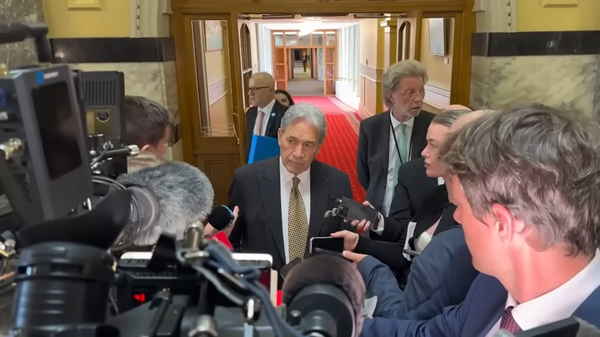
The latest delay to October 10 exposes the deep fractures within this ramshackle coalition, where even Winston Peters' New Zealand First recognises the catastrophic implications of rushing through legislation that treats whakapapa like a commodity and mauri like an inconvenience to shareholder profits.
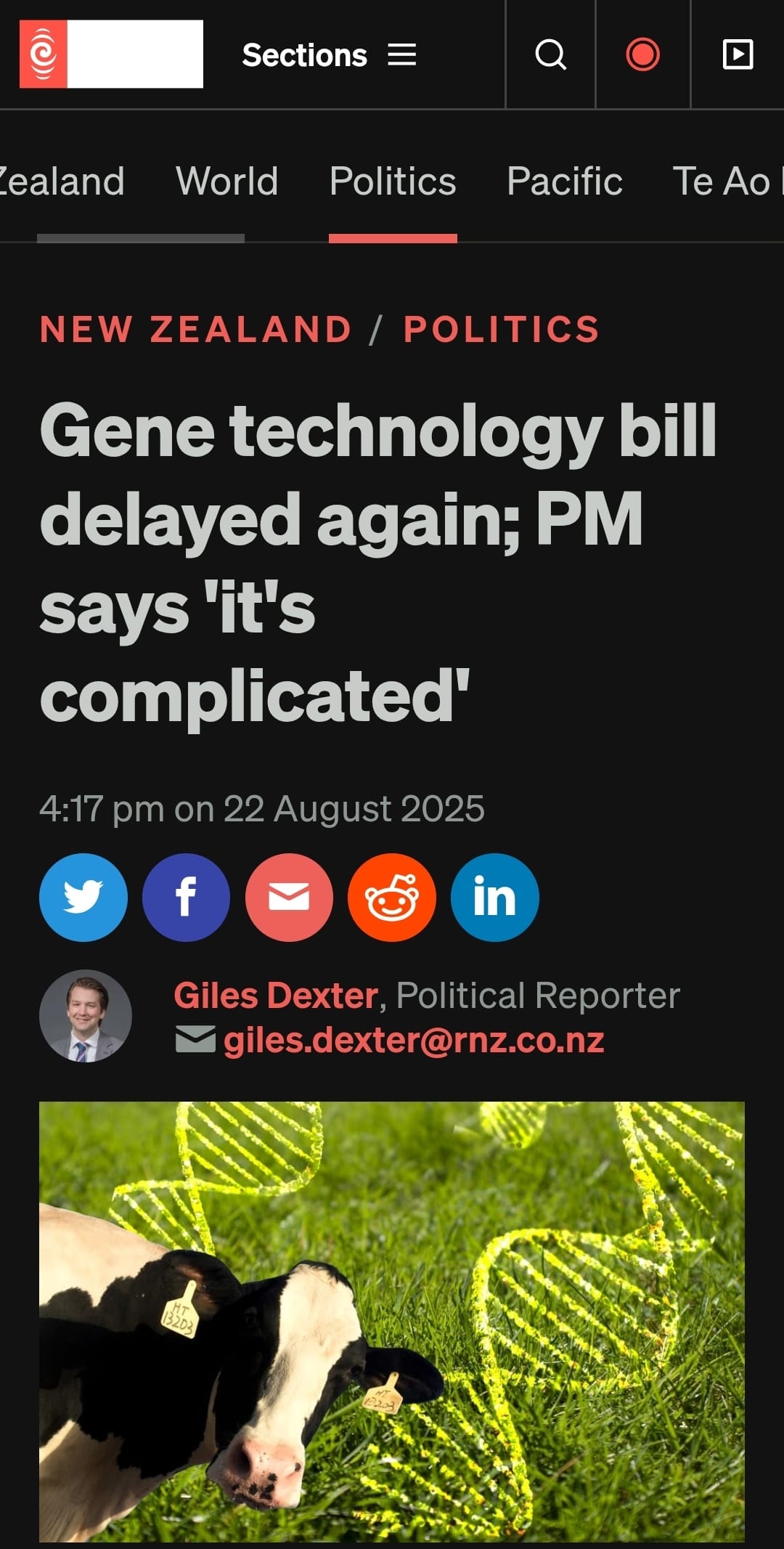
https://www.rnz.co.nz/news/political/570781/gene-technology-bill-delayed-again-pm-says-it-s-complicated
Background: Thirty Years of Protection Under Siege
Since 1996, the Hazardous Substances and New Organisms Act has protected Aotearoa from the genetic modification free-for-all that corporate biotech desperately craves. This protection emerged from genuine public concern about irreversible environmental consequences and reflected a precautionary approach that honoured Māori values around kaitiakitanga.
The Gene Technology Bill represents a fundamental betrayal of these protections, modelled on Australia's failed regulatory framework that has already allowed corporate interests to override Indigenous rights. The bill proposes establishing a "regulator" within the Environmental Protection Authority - an agency already facing a $4 million deficit and cash crisis that leaves it completely unprepared for the complex oversight this technology demands.
For Māori, genetic material represents the very essence of whakapapa - the genealogical connections that bind all living things. As Associate Professor Phillip Wilcox explains, genetic material is "essentially whakapapa", making any interference with it a profound cultural and spiritual matter requiring genuine partnership, not token consultation.
The Corporate Coup Disguised as Progress
The manufactured urgency around this bill reeks of corporate lobbying and neoliberal ideology. Judith Collins announced the legislation would "deliver massive economic gains" - a promise as hollow as National's claim to represent working people. The real beneficiaries will be multinational biotech corporations seeking to exploit Aotearoa's unique biodiversity without meaningful oversight or Māori consent.
The bill's supporters claim New Zealand has "missed out" on genetic modification advances, perpetuating the colonial myth that Indigenous approaches to environmental stewardship are backwards obstacles to progress. This rhetoric deliberately ignores over thirty years of Māori discourse and successful tikanga-informed frameworks that have enabled beneficial genetic research while protecting cultural values.
The biotech industry's frustration with New Zealand's regulatory environment exposes their true agenda. Industry lobby group NZBIO complained that companies are "finding it impossible to commercialise technologies here" - revealing that profit, not public benefit, drives their opposition to meaningful oversight.
Even more damning is the revelation that Philip Morris allegedly pitched draft legislation to NZ First as part of corporate lobbying campaigns. This pattern of industry capture demonstrates how easily this government capitulates to corporate interests while marginalising Māori voices.
Māori Resistance and the Bill's Fatal Flaws
The bill's treatment of Māori represents a masterclass in tokenism and Treaty breaches. While the current Hazardous Substances and New Organisms Act requires consideration of Māori relationships with ancestral lands, waters, and taonga, the proposed bill offers only weak promises to "create a process" for managing risks to kaitiaki relationships.
The proposed Māori advisory committee is a pathetic sop - the regulator "may seek advice" where activities "may have a material adverse effect" but is not bound by that advice. As Associate Professor Josephine Johnston notes, "the significance of the Māori advisory committee is limited". This represents a deliberate downgrading from current protections and violates Treaty partnership principles.
Research consistently shows that Māori perspectives on gene technologies are diverse and evolving, with traditional cultural constructs continuing to inform nuanced views. The bill ignores this complexity, treating Māori as barriers to overcome rather than partners whose knowledge systems have proven successful in managing genetic research.
Māori health organisation Hāpai Te Hauora actively opposed the bill, recognising the threats to cultural values and the inadequate consultation processes. The charitable trust Ira Tātai Whakaeke condemned the legislation for effectively ignoring "over 30 years of discourse among Māori regarding genetic modification" and the valuable lessons from successful Māori engagement with genetic technologies.
Coalition Chaos and Corporate Pressure
The bill's repeated delays expose the deep contradictions within this coalition government. While National and ACT mindlessly pursue deregulation to serve corporate masters, New Zealand First's Mark Patterson recognised the need to protect the country's "GE-free competitive advantage" and warned against trading it away lightly.
Winston Peters dismissed questions as requiring more than a "ten second reply", stating "We're not talking about strawberries on Sunday night" - perhaps the only sensible words to emerge from this government on the issue. Even Shane Jones, normally a reliable corporate stooge, described the bill as "a work in progress".
Labour's Reuben Davidson correctly identified that "there isn't a pathway within the coalition to support the bill", exposing fundamental disagreements about trading away environmental protections for corporate profits. The fact that Labour, Greens, and Te Pāti Māori all oppose the legislation means it requires unanimous coalition support - support that appears increasingly unlikely.
[Chart 97 shows the timeline of delays and political tensions surrounding the bill]
Environmental Threats and Biopiracy Concerns
The bill opens the door to rampant biopiracy - the theft and commercialisation of indigenous genetic resources without consent or benefit-sharing. Concerns about overseas companies trademarking taonga species highlight the urgent need for protections that the bill completely fails to provide.
American company Colossal Biosciences has already expressed interest in New Zealand's extinct species like moa and Haast eagles, raising serious questions about biopiracy and the trademarking of taonga species. Without substantive Māori involvement and Treaty-based protections, international biotechnology companies could exploit specimens housed in museums worldwide.
The environmental risks extend far beyond corporate profit. Research shows that altering whakapapa relationships through genetic modification could have negative consequences for hybrid species and entire ecosystems. The rushed regulatory framework proposed by this government lacks the rigorous oversight needed to prevent ecological disasters.
Global Context and Trade Implications
While the government claims New Zealand is falling behind international standards, the reality is more complex. Countries like Canada, Australia and European nations have strengthened their regulatory frameworks precisely because they recognise the serious risks involved. The bill's supporters deliberately misrepresent international trends to justify their deregulatory agenda.
Export leaders are urging a cautious approach, recognising that New Zealand's GE-free status represents a competitive advantage in international markets increasingly concerned about genetic modification. The organic sector and food exporters understand that abandoning these protections could damage New Zealand's clean, green brand.
Farmers remain divided, with some recognising no clear benefits from the proposed changes. Honey producer Yurij Soshnikov described being "heartbroken" by the bill, understanding that genetic engineering represents "one way traffic" that cannot be reversed.
Implications for Tino Rangatiratanga
This bill represents another attempt to subordinate Māori sovereignty to corporate interests and colonial science. By marginalising tikanga-based frameworks that have proven successful, the government perpetuates the myth that Māori knowledge systems are obstacles to progress rather than sophisticated approaches to managing complex technologies.
Without meaningful Māori involvement, genetic modification projects would constitute breaches of Article Two of te Tiriti o Waitangi, which guarantees Māori exclusive rights to taonga. The bill's inadequate consultation processes and advisory-only Māori committee structure violate partnership principles and reduce tangata whenua to stakeholders in their own territories.
The broader pattern is clear - this government systematically strips Treaty protections while claiming to act in the national interest. From repealing Section 7AA of the Oranga Tamariki Act to fast-tracking developments over iwi objections, National and its coalition partners consistently prioritise corporate profits over Māori rights.

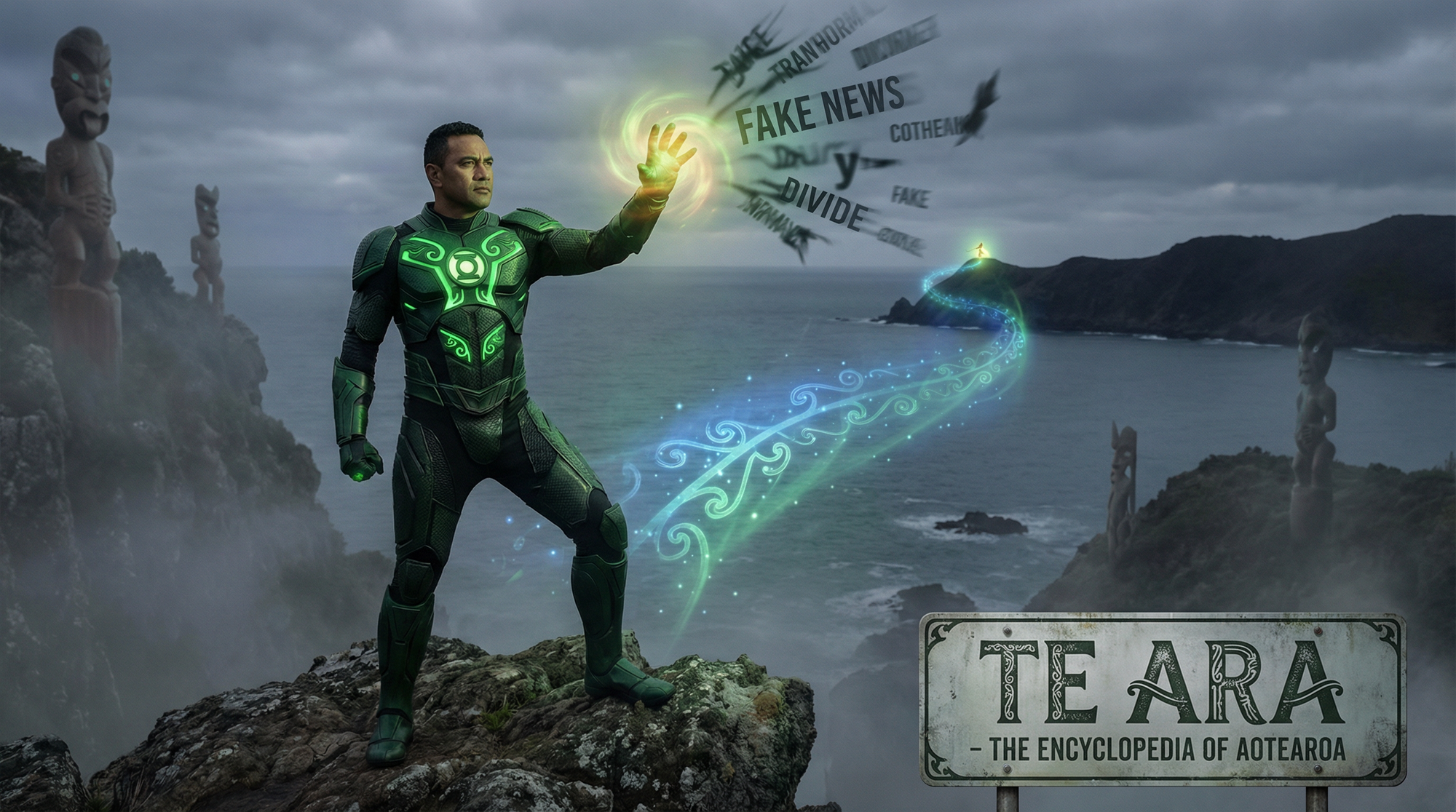
The Māori Green Lantern fighting misinformation and disinformation from the far right
Corporate Capture and Regulatory Failure
The Environmental Protection Authority's financial crisis exposes the fundamental unsuitability of housing genetic modification oversight within an underfunded, overwhelmed agency. With just two staff responsible for assessing new GMOs and models more than 20 years old, the EPA lacks the capacity for meaningful oversight.
This mirrors the broader pattern of regulatory capture where agencies become servants of the industries they supposedly oversee. The fast-track legislation process reveals how ministers make decisions about projects after their parties receive donations from applicants, demonstrating the corrupting influence of corporate money on government decision-making.
The biotech industry's complaints about regulatory hurdles reveal their expectation that profits should trump precaution. Companies leaving New Zealand when faced with rigorous oversight demonstrates that meaningful regulation works - it prevents exploitation while encouraging genuine innovation that benefits communities rather than just shareholders.
Conclusion: Defending Mauri Against Corporate Colonisation
Christopher Luxon's arrogant demand that New Zealand "get with the 21st Century" perfectly encapsulates this government's colonial mentality. The assumption that genetic modification represents inevitable progress ignores the sophisticated knowledge systems that Māori have developed over centuries to understand and protect the relationships between all living things.
The Gene Technology Bill represents corporate colonisation disguised as scientific advancement. It prioritises shareholder profits over environmental protection, reduces Māori to consultants rather than partners, and trades away competitive advantages for the benefit of multinational corporations.
The coalition's dysfunction and repeated delays provide an opportunity for genuine consultation and Treaty-based partnership. Instead of rushing to serve biotech lobbyists, this government should engage with the extensive research on Māori perspectives, implement tikanga-informed frameworks that have proven successful, and recognise that protecting mauri and whakapapa represents sophisticated governance, not backwards thinking.
Every day this bill remains stalled represents a victory for environmental protection, Māori rights, and genuine science over corporate exploitation. The coalition's inability to agree demonstrates that even within their neoliberal framework, the bill's flaws are too obvious to ignore.
The choice is clear: defend the mauri of all living things against corporate colonisation, or surrender to the biotech vultures circling overhead. The mana of future generations depends on getting this right.
Readers who find value in The Māori Green Lantern's work exposing corporate colonisation and defending Māori rights are humbly asked to consider a koha/donation to support this vital analysis. HTDM: 03-1546-0415173-000. I understand these are tough economic times for whānau, so please only contribute if you have capacity and wish to do so.
Māuri ora - life force flourishing
Ivor Jones
The Māori Green Lantern
Kaitiaki of Truth and Justice