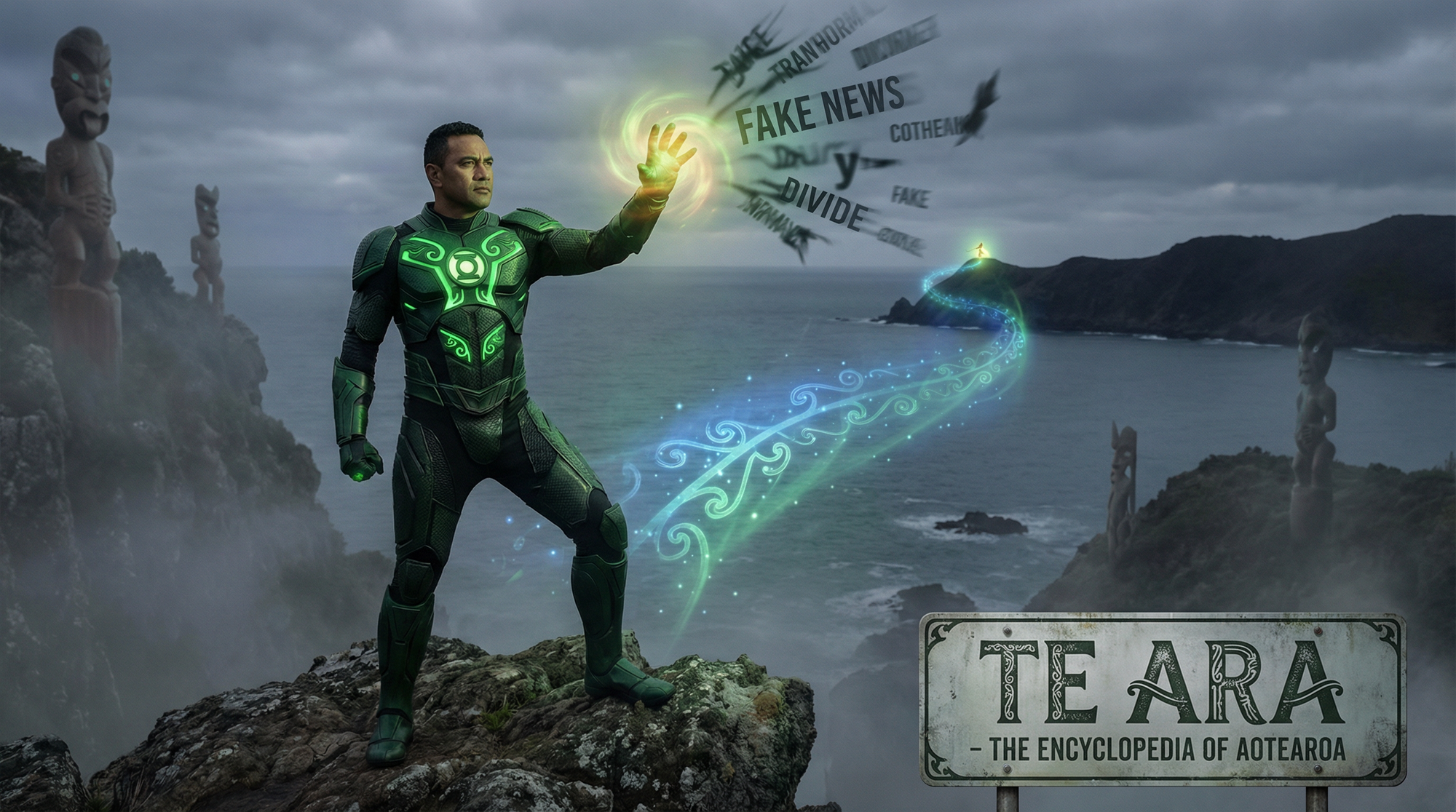
“When Fear Drowns TruthA challenge to whitewashed narratives and crisis profiteering in Aotearoa” - 26 July 2025
Cash strapped my ass
Tēnei au te mihi atu nei ki a koutou katoa – I greet you all with manaakitanga.
This is a deep time of reckoning for Aotearoa as water—a taonga entrusted by our ancestors—becomes a pawn in cynical political games. As councils like Central Hawke’s Bay halve water investment and warn of dangerous long-term consequences, we must confront the manufactured crisis engineered by government retreat, neoliberal dogma, and fear-based misinformation. This essay lays bare how this policy quagmire threatens Māori communities most, debunks the myths wielded by Newsroom and coalition apologists, and exposes the far-right’s manipulative white supremacist agenda, always hidden under the guise of local “ownership.”
https://newsroom.co.nz/2025/07/25/cash-strapped-councils-set-to-slash-spending-on-water-infrastructure/
Background
The term “Three Waters” refers to Labour’s transformative plan to create four publicly-owned regional entities overseeing drinking water, wastewater, and stormwater infrastructure. It was a direct response to disasters like Havelock North’s 2016 contamination—killing four and sickening thousands—highlighting decades of neglect and colonial under-investment, especially in rural and Māori communities (Newsroom)(RNZ)(Stuff).
From a Māori perspective, wai (water) is both a physical and spiritual lifeblood—connected intimately with whakapapa, community wellbeing, and intergenerational stewardship.
Slashing water infrastructure funding is not simply a financial decision; it’s a denial of historic injustices and spiritual responsibilities.
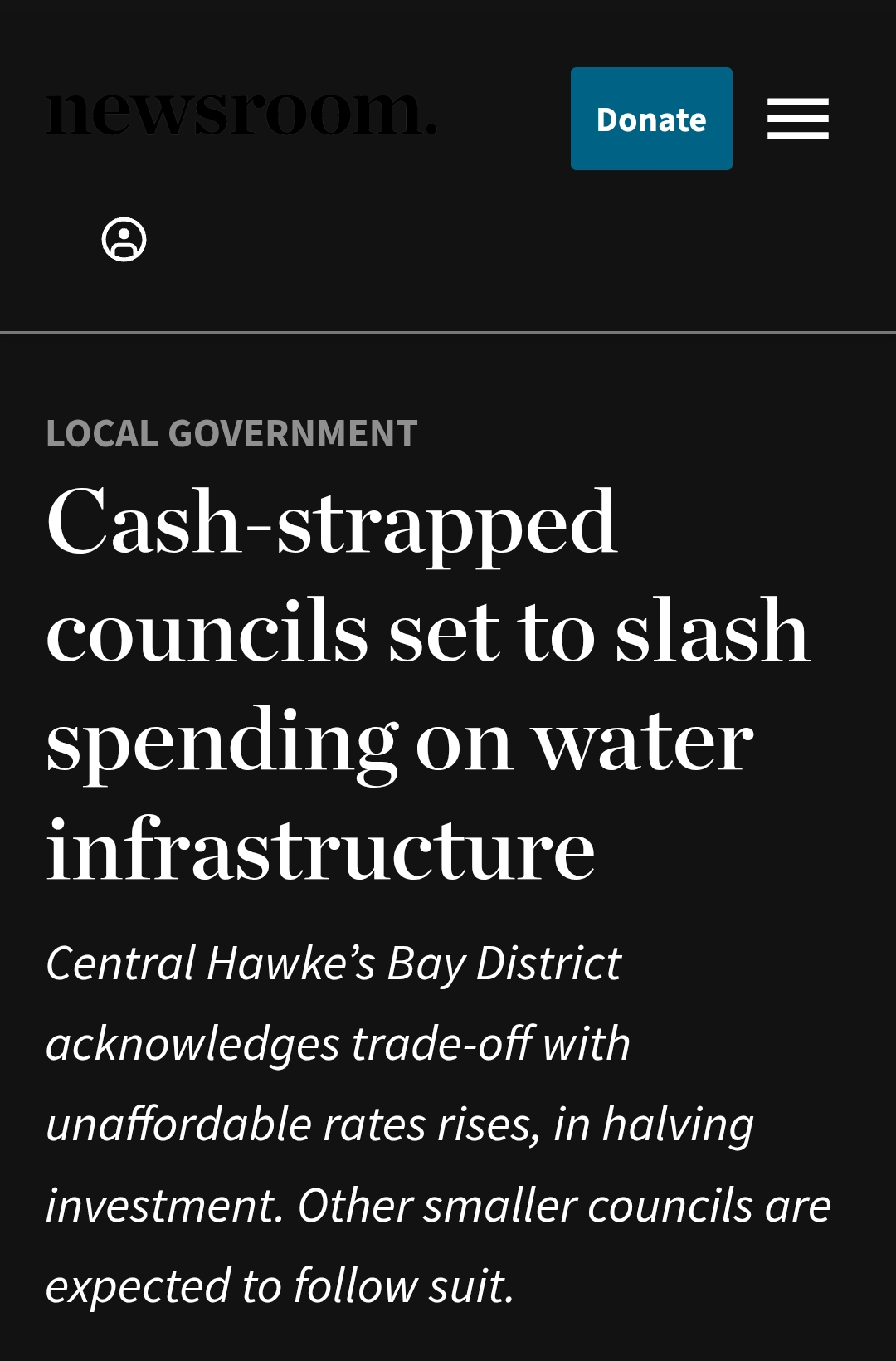
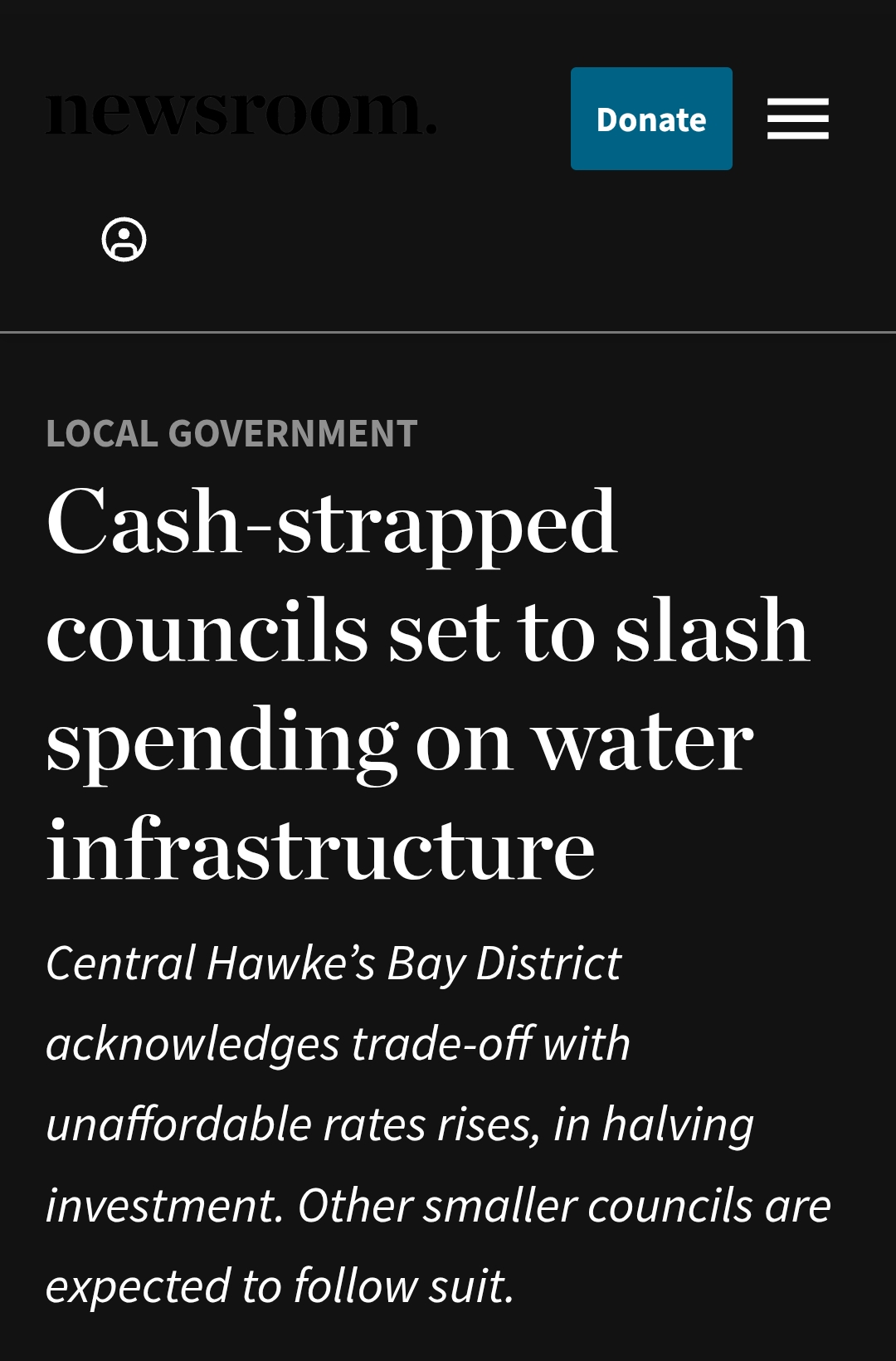
Central Hawke’s Bay and similar councils now plan to gut investment from $201 million to $89 million over ten years, a desperate move forced by skyrocketing costs and no real government support (Newsroom) (NZ Herald). Councillors admit this will degrade water quality, increase outages, and pass on the disaster to future generations. Even after spending cuts, household water charges are projected to soar, hitting an estimated $5,500 a year by 2034 in a district with a median income of just $82,100.
This matters profoundly to Māori because these communities are most affected by the compounding costs and the erosion of public health safeguards, especially as colonial policy repeatedly ignores Treaty obligations to ensure equitable access to essential services (Te Kāhui Tika Tangata).
Debunking the Populist Narrative
Newsroom, echoing government lines, implies such pain is “self-inflicted”—as councils signed off on decades of under-investment (Newsroom). This ignores the structural incentives under neoliberal regimes, which have pushed councils to cut, privatise, and defer basic maintenance—leaving Māori and low-income whānau exposed to system failure.
This same logic fuelled the far-right’s panicked assault on Three Waters: stoking racist fears of “asset grabs” and “Māori takeover” instead of reckoning with how co-governance upholds Te Tiriti and practical community benefit (The Spinoff)(NZ Human Rights Commission)(Waatea News).
False Equivalence and Ratepayer Suffering
Premiering National’s “Local Water Done Well,” the government claims local control keeps services affordable, but reality is stark: stripping central support forces councils to hike rates at breakneck speed or let pipes rot, making water unaffordable or inaccessible for many (Newsroom)(The Conversation). Privatisation looms as a stealth threat when local authorities are unable to maintain infrastructure—this is neoliberalism by stealth, not “pragmatism.”
Colonial Crisis Management and White Supremacy
The rhetoric from Simon Watts and right-wing media operates on ethnonationalist logics: “democratising” water really means keeping Treaty partners out, and refusing to define national “affordability” shifts blame onto the poorest and oldest—often Māori—ratepayers. This pits neighbour against neighbour, hiding systemic racism behind “local democracy” (NZ Herald).
Three Waters: The Alternative Smeared
Labour’s Three Waters plan, supported by the Water Industry Commission for Scotland, offered scale efficiency and hard limits on rate increases, with projections showing many rural whānau would actually pay less compared to rate hikes under current council patchwork (Stuff)(Newsroom)(Newsroom). Explicit safeguards protected public ownership and required co-governance with iwi—reflecting Te Mana o te Wai and international best practice.
The far-right, amplified by figures like Julian Batchelor, weaponised fear of co-governance, relying on dog-whistle tactics—reverse racism, asset-theft fantasies, Treaty denialism—to derail meaningful action. The result? Māori continue to be left out of structural decision-making, and everyone suffers.
Counterarguments and Media Bias
Government and Newsroom defenders claim new regional council-controlled organisations can fix problems, yet the so-called reforms offload risk onto already vulnerable populations. Calls for new “standardised” wastewater plants or minor rebates sidestep the far bigger, historic underinvestment and the urgent need for redistribution led by central government, not more local austerity. Newsroom’s reporting fails to centre Māori voices and Treaty principles, allowing the far-right’s misinformation to set the media tone (Mediawatch – RNZ).
Implications
This new era of council retrenchment has dire consequences for community health, economic justice, and tino rangatiratanga. The most disadvantaged—often Māori, the elderly, and low-income whānau—face dirty water, more frequent outages, and bills they cannot possibly afford. Austerity logic entrenches intergenerational harm, especially as younger Māori inherit networks on the brink of failure (New Zealand Medical Journal)(Stuff)(NZ Herald).
This is classic slow violence—incremental decline that will be remembered only when the next catastrophe hits.
The cuts to water infrastructure are not natural disasters but the calculated byproduct of colonial amnesia and far-right distortion. By refusing to share power and resources and by denying Māori a voice in the stewardship of wai, we doom all communities to precarity. The legacy of Three Waters was not theft, but a promise—one shattered by racist, neoliberal politics.
Let us reject the manufactured crisis and demand evidence-based policies, guided by Te Tiriti, that honour our collective responsibility for water as taonga. The future must be built on partnership, not scapegoating; on manaakitanga, not austerity.
Readers who find value in this analysis and wish to support independent journalism that challenges power and exposes misinformation are invited to consider a donation/koha to support this work: HTDM: 03-1546-0415173-000. The Māori Green Lantern understands these are tough economic times for whānau, so please only contribute if you have capacity and wish to do so.
Ngā mihi nui.
References
- https://ppl-ai-file-upload.s3.amazonaws.com/web/direct-files/attachments/2123776/fe90dce2-b1e0-4894-83c8-5bcba0508efa/Cash-strapped-councils-set-to-slash-spending-on-water-infrastructure-Newsroom.PDF
- https://ppl-ai-file-upload.s3.amazonaws.com/web/direct-files/attachments/images/2123776/d8ac96ca-cc3d-4e5c-b4f1-4d5a2e1de715/Screenshot_20250726_110717_Brave.jpg?AWSAccessKeyId=ASIA2F3EMEYEQGKY5TBA&Signature=QFdPMQCZxGDYxNC06kupERLL4xA%3D&x-amz-security-token=IQoJb3JpZ2luX2VjECcaCXVzLWVhc3QtMSJGMEQCIGq7Qn8nhTs0Je3PJvLKi%2BrM%2B2VQSJpVjxRjQTl2MfJGAiBd4%2Bd2jwmL9Rx6oex%2Fcu1k0rhNKDqnvzsZ1UkxkMw02yrxBAhQEAEaDDY5OTc1MzMwOTcwNSIMJlvZo8vcwG%2FPJnJrKs4El4Uv4onhCekD0f%2Fqfk6e3I6WrYUCcVmUFFsSZ7qQ8%2BWGNmwi4VliDCSUIlOm3a9TmtMMnYalthlYKiOhqsKi0cCRTC%2FnGXvdHJxMuTvpnxO1vl5fUI41d38cKxe4pAfr17Kibtf6Fhek0tEcZcz5CccdrDRcoxGVkuZrxS2fcSstZBvGqUsW%2FoY47ceBxIUhhG79BCtfCkkiKGTQ%2BR80DT%2BIYiARx5fplaiqM%2Btw1Jr9cBSEbOHPL3kEtWc4Oe%2F4zBQd1XxtBz6%2FgVQ6v6kgZp84vK2QzbWhH4uUEl5%2FygppX%2FI%2F4uCMLMxydVp1o0Kv0CGrcBlUrADXlAiKbQrNVFig90inMZTy0D1atNmHg5mcWB2uO1hMOv29WDFE3TyWEygr21Rj1mM6Sl3kSfKhOsCp3%2BmiaFQtXgsLGkR8AkT5kTmst%2FvQyFlEus1CP57kpfQHqJqQMW6fNK2ML8EEWH9aRIiag7QMwwKTuHpE1n%2FOdtZEx0McXX5a2XX0LEeEFb9Y6Tp%2FZLFGPWNZJm%2BVihnBne8aRgk6hmaGYV%2BwbtyfqyraG6WHiysfGGyfoYKrxvjHc34z3VaBcwoYVNHPPgkaUvmbm2Kg3HDKNxoRJ7J3kVG2tWwdcP0Fw5lvMfG3%2BvV68MgipreWqDJWTu6pSWkmDAMZrXpaF8zlEooucjKAhFCDBPh4Xg39l5EwZEyhHUNa30Ho%2FCTf0b10pNlOXtjjd99xhtqtj%2BVLgBKynWhDBWavuvB%2FS3JVoVGMNW6o2wbisjyUycPtbbEgpX4w25iQxAY6mwHQTqL%2F52WluKQpHsrxH%2FVXafxglNm4lEXk31abszImbgvJNwV48DTSua%2BS%2BQBqk%2FHoaZj7uVnAUcP%2FfLn%2Bz3NZcPE97oMkfsuJ4oENH2so8bwL4EHAJL5mHcL%2B7o8hs6NV5Y8kzilSHJQHBbOcn%2FdVv01mGQEAtFUWZ7M2LqVRazMMuNibeJc1Miz1OrVxIH%2BS8nUyb3gksr%2BJZA%3D%3D&Expires=1753485990