“When Power Masks As Process – Unpacking the Scapegoating of a Māori Coaching Wairua” - 18 December 2025
Te Kōrero Tōtika
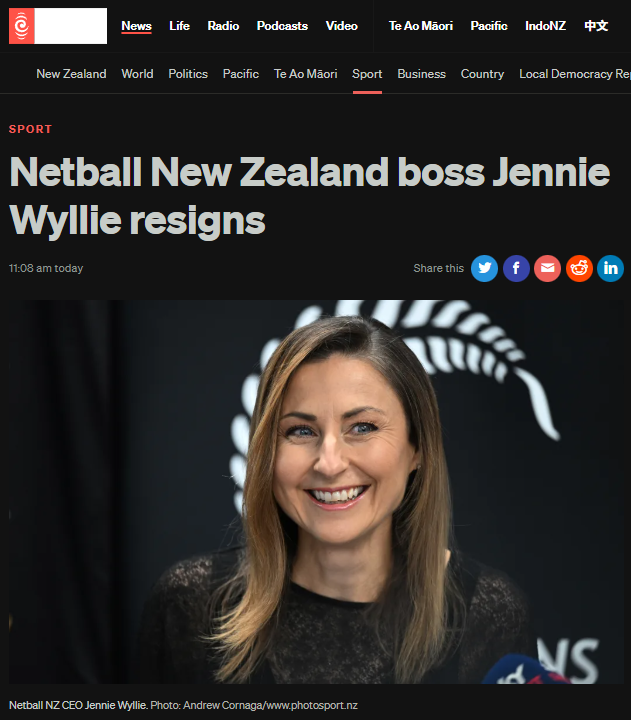
The resignation of Jennie Wyllie as Netball New Zealand CEO on December 18, 2025, arrives not as resolution but as smokescreen. After sixteen years at the organization—nine as chief executive—Wyllie exits citing a desire to “spend time with family” following what she delicately termed a year of “challenges.”
Yet this sanitized departure obscures a far more damaging pattern:
the systematic undermining of Māori leadership, the weaponization of Western HR frameworks against tikanga-informed coaching, and the entrenchment of institutional racism within one of Aotearoa’s most culturally diverse sports.
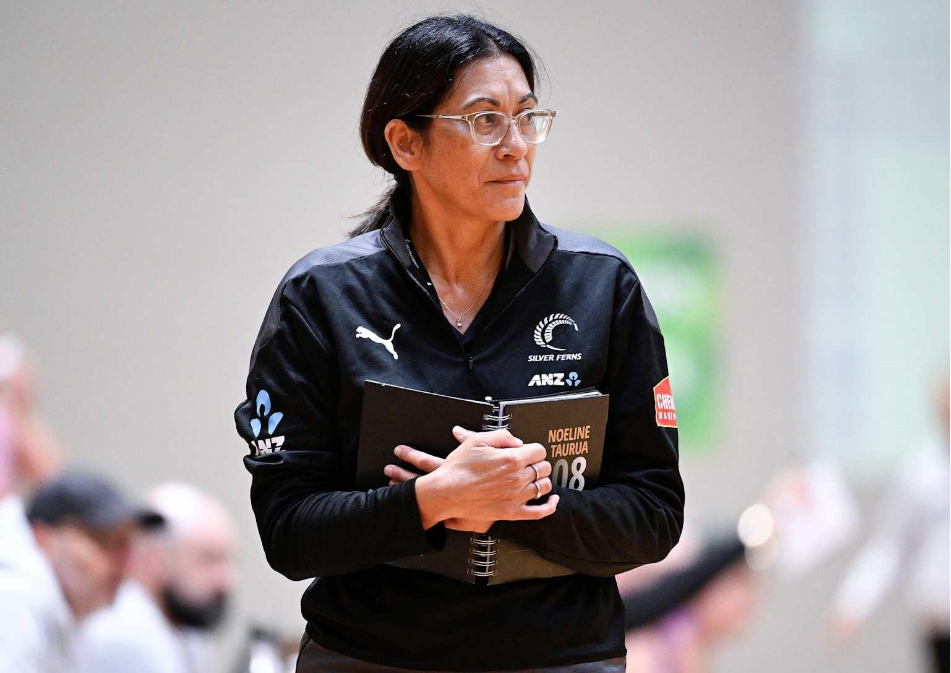
EXCLUSIVE: Dame Noeline Taurua stood down by Netball NZ ...
This investigation traces the hidden circuitry of power that connects Wyllie’s exit to the brutal 51-day suspension of Dame Noeline Taurua, the 2019 World Cup-winning coach of Ngāpuhi and Ngāti Whātua descent.
It exposes not individual failings but structural violence:
how predominantly Pākehā governance structures deploy the language of “workplace safety” and “cultural reviews” to discipline Māori excellence, silence dissent, and protect colonial hierarchies.
The question is not merely who resigned, but who benefits when Māori leadership is pathologized, removed, and replaced.
I. Ko te Whakapapa o te Raruraru: Tracing the Genealogy of Crisis
The public narrative begins in September 2025 when Netball NZ announced the “shock” suspension of Taurua and her coaching staff just days before the opening test against South Africa.
The stated reason:
player complaints about an environment deemed “psychologically unsafe.” Yet this framing—sanitized, individualized, depoliticized—conceals the material history that produced the crisis.
The whakapapa begins in January 2025 at a nine-day training camp in Sydney. Following a 74-52 defeat to the NSW Swifts in a practice match, sources described Taurua’s feedback as “emotional and overly personal.” This characterization—already racialized—echoes longstanding stereotypes that pathologize Māori emotional expression as unprofessional while valorizing Pākehā stoicism as leadership. The camp, multiple sources said, was when “some players decided that something had to change.”
By June 2025, two senior players escalated concerns to the New Zealand Netball Players Association, which in turn alerted the Netball NZ board. The board sought advice from High Performance Sport NZ, which agreed to fund an “environment scan and health check.” Bryan Stronach—former NZ Cricket high performance director and, crucially, a Pākehā administrator—was commissioned to conduct the review.
The review interviewed seven players:
five senior Silver Ferns and two junior squad members. They were selected from a total environment of 31 athletes and staff. This self-selecting group—less than a quarter of the cohort—became the evidentiary basis for disciplining a coach whose career spans decades and whose 2019 World Cup victory remains netball’s greatest achievement.
The themes Stronach identified were predictable within the logic of white institutional power:
a “culture of fear” where players felt unable to voice opinions without repercussion, and “inconsistent standards” where performance and behavioral expectations allegedly shifted.
One specific allegation:
fitness standards were applied inconsistently, with “favoured players given dispensations.”
II. He Aha te Take Tūturu? Deconstructing the “Unsafe Environment” Frame
The deployment of “psychological safety” discourse in this context is a masterclass in institutional gaslighting. The term—borrowed from Western organizational psychology—positions player discomfort as pathology requiring managerial intervention. Yet it erases the cultural specificity of how Māori coaches operate within tikanga frameworks that prioritize collective accountability, whakapapa, and mana.
Research by Camille Nakhid and colleagues documents how “the silence that surrounds racism in Aotearoa sports contributes to the inaccurate portrayal of the country as having good race relations.” This silence operates through what Nakhid terms the “loud quiet”—the strategic avoidance of naming race while racializing behavior. When Māori coaches demand excellence, set clear boundaries, or challenge mediocrity, these actions are reframed through white cultural norms as “aggressive,” “fearful,” or “inconsistent.”
Hippolite and Ranginui’s landmark study “Speaking the Unspoken: Racism, Sport and Māori” found that Māori athletes are routinely excluded from selection for nebulous reasons—”not talking enough,” “lacking confidence,” possessing “attitude”—that would never disqualify Pākehā athletes. One participant described how a Māori representative team was abandoned overseas by Pākehā-dominated national administrators: “They wouldn’t have done that with a Pākehā team.” Another noted that success by predominantly Māori teams prompted racist dismissals: “Oh they won’t last long, all those Māori girls, they’ll be pregnant.”
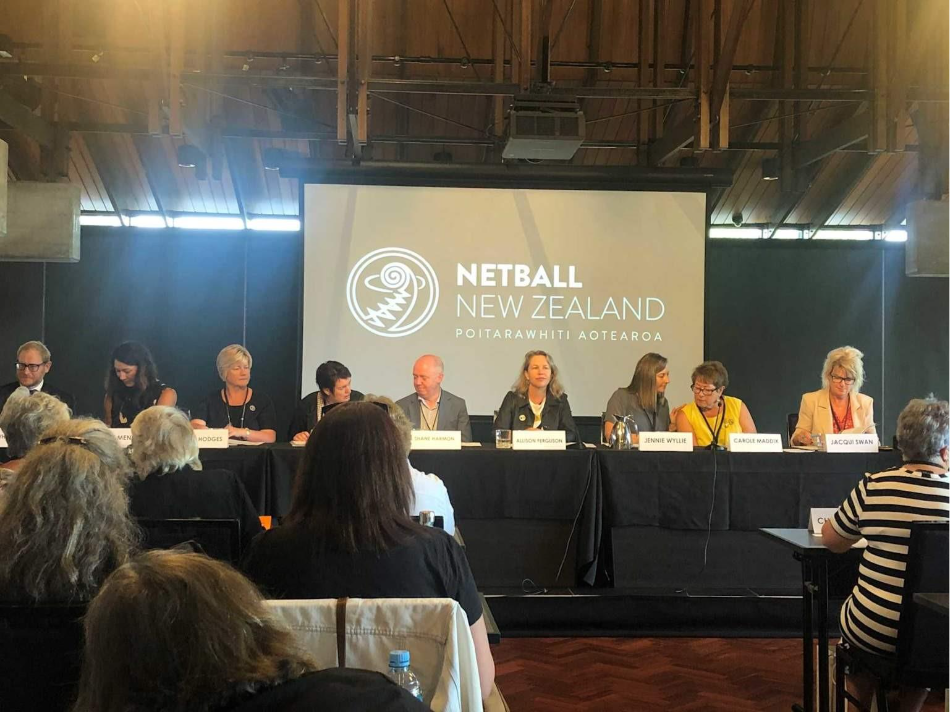
Netball New Zealand AGM and Council Meeting 2020
The Stronach review replicates these dynamics. By anonymizing complaints and stripping them of cultural context, the review erased the possibility that player discomfort reflected not environmental toxicity but cultural collision
—the friction that arises when athletes socialized in individualistic, rights-based frameworks encounter coaching grounded in whanaungatanga, utu, and rangatiratanga.
Consider the allegation of “inconsistent fitness standards.” In a tikanga framework, differentiation is not favoritism but whakapapa-informed care:
recognizing that athletes carry different loads (whānau obligations, injuries, life circumstances) and that manaakitanga requires flexible accountability.
Yet through the Pākehā institutional gaze, this becomes “inconsistency”—a managerial failure rather than cultural competency.
III. Ngā Tāngata i Mua i te Rīpoata: The Architects of Discipline
Who designed this process? Who stood to gain from Taurua’s removal?
At the governance apex sits Matt Whineray, Netball NZ Board Chair since late 2023. Whineray’s CV reads as pure corporate Pākehā:
former CEO of the NZ Superannuation Fund, Credit Suisse executive, barrister at Russell McVeagh, now Chair of FirstCape Group.
His expertise is investment management and finance—not sport, not culture, not the lived realities of Māori and Pasifika athletes who constitute the backbone of New Zealand netball.

Jennie Wyllie setting a path for Netball to grow in New Zealand
Alongside Whineray stands Jennie Wyllie, whose sixteen-year tenure included seven years as head of finance before ascending to CEO in 2016.
Wyllie’s leadership has been marked by serial crises:
a domestic league in turmoil, protracted broadcast negotiations that left players panicked about their futures, and workplace culture so toxic that six current and former staff exposed it to media in October 2025.
Those staff described a
“fear environment where people feel like they’re not able to speak up, or they will be targeted.”
One employee worked 70-hour weeks without support, becoming “physically sick from being overworked.” Another was repeatedly belittled by a colleague in front of others; management took no action. A personal grievance was filed and settled within the last three years. By November 2025, three more staff had resigned, joining an exodus that saw 20+ people leave over two years citing “toxic workplace culture.”
Yet when confronted with these allegations, Whineray offered corporate platitudes:
staff were working hard during “tough periods” but the board was confident leadership remained “fully committed to Netball NZ’s purpose.”
This deflection—acknowledging workload while evading accountability—is classic institutional bad faith.
The double standard is staggering. Taurua faced immediate suspension based on anonymous complaints from seven players out of 31. Wyllie presided over systematic staff abuse documented by multiple sources, including at least one legal settlement, and remained in post for months until her resignation became politically inevitable.
IV. Te Pātai Matua: Cui Bono? Who Benefits from Māori Leadership Removal?
The removal of Dame Noeline Taurua—even temporarily—served multiple interests embedded in New Zealand’s white supremacist sporting infrastructure:
1. Pākehā Governance Maintenance
Taurua’s coaching philosophy, grounded in tikanga, represented an existential threat to managerial control. Her emphasis on whakapapa, cultural identity, and collective accountability challenged the individualistic, compliance-oriented HR frameworks that corporate boards like Netball NZ’s rely upon. Her suspension signaled to all Māori leaders:
assimilate or be disciplined.
2. Risk-Averse Administrators
Confronting systemic racism requires vulnerability, discomfort, and structural change—none compatible with Whineray and Wyllie’s managerial playbook. Easier to pathologize one Māori coach than interrogate why Netball NZ’s senior leadership remains overwhelmingly Pākehā despite the sport’s Māori and Pasifika majority at player level.
3. Players Avoiding Accountability
While the identities of the seven complainants remain protected, the pattern is instructive. Research shows that athletes socialized in neoliberal “rights” discourse increasingly weaponize complaints processes against coaches who demand collective responsibility. Taurua’s reported insistence on consistent fitness standards—even when differentiated by circumstance—may have challenged players accustomed to accommodating individual preferences over team excellence.
4. Corporate Interests and Neoliberal Logic
Netball NZ’s financial precarity—chronic underfunding, desperate broadcast negotiations—makes corporate donors and sponsors kingmakers. Research on institutional racism in New Zealand football reveals how “deeply entrenched racist policies” manifest as inequitable resourcing and decision-making power concentrated among Pākehā administrators. Māori Football Aotearoa received just $20,000 of a $1.8 million grant pool in 2022. Netball likely replicates this pattern.
V. Ngā Hononga Huna: Hidden Networks of Power
Connecting the nodes reveals a systemic architecture designed to reproduce white dominance:
The HPSNZ Contradiction: High Performance Sport NZ funded the Stronach review that precipitated Taurua’s suspension. Yet Taurua herself sits on HPSNZ’s board. This baroque conflict of interest—a government agency funding an investigation into its own board member—was never publicly addressed. Cui malo? Who is harmed when the state apparatus that funds elite sport also adjudicates which coaches are “safe”?
The Western HR Weaponization: Stronach, a Pākehā former cricket administrator, applied corporate frameworks developed for individualistic Western workplaces to evaluate a Māori coach operating within collective cultural paradigms. This is methodological colonialism—using the master’s tools to dismantle the master’s house, as Audre Lorde warned, inevitably reproduces the master’s logic.
The Media Vacuum: Netball NZ’s silence throughout Taurua’s suspension—citing “privacy” and “employment confidentiality”—created a vacuum filled by speculation and misinformation. This strategic opacity protected institutional power while exposing Taurua to public crucifixion.
As RNZ’s Dana Johannsen documented,
“the confusion over this basic point is perhaps a microcosm of what has played out throughout the dispute—a tangled web of alternate truths and inconsistent accounts.”
The Scapegoating Structure: Wyllie’s resignation allows Netball NZ to narrate 2025 as an aberration—one bad CEO, now removed, problem solved.
Yet Waikato Bay of Plenty zone’s vote for a Special General Meeting and no-confidence motion recognizes the rot runs deeper:
the board itself requires overhaul. The same Pākehā-dominated structure that suspended Taurua remains intact, now absolved by Wyllie’s departure.
VI. Te Whakataunga: Quantifying Harm and Naming Fallacies
The damage is measurable:
Leadership Exodus: Of the 15 players who competed at the 2023 World Cup, six—including shooting stars Maia Wilson, Ameliaranne Ekenasio, and Te Paea Selby-Rickit—have made themselves unavailable for Silver Ferns selection over the past 18 months. This hollowing of talent cannot be separated from the chaos Netball NZ created.
Staff Turnover: 20+ staff departures in two years represents institutional knowledge hemorrhaging and organizational trauma. Each departure costs recruiting, training, and productivity—likely hundreds of thousands of dollars.
Reputational Damage: Tauranga Netball Centre board chair Nicola Compton stated the Taurua suspension was “the final straw” requiring the zone to demand leadership change. Trust between grassroots netball and national governance has collapsed.
Chilling Effect: As former selector Gail Parata warned: “Now who wants to be a coach when there is a risk an athlete could say something that is misrepresented and then a career is lost?” The precedent set disciplines all future Māori coaches: assimilate to Pākehā norms or face suspension.
Fallacies Deployed:
- Appeal to Privacy: Netball NZ cited confidentiality to avoid transparency, shielding institutional decisions from scrutiny
- False Equivalence: Framing player complaints and coach accountability as morally equivalent when power imbalances are vast
- Individualization: Blaming Taurua’s “communication style” rather than interrogating structural racism
- Tokenism: Pointing to Tina Karaitiana’s board presence as proof of inclusion while Pākehā retain executive/chair roles
- Procedural Legitimacy: Claiming the Stronach review was “independent” when HPSNZ funding and Pākehā design predetermined outcomes
VII. Ko te Huarahi Whakamua: Pathways to Tino Rangatiratanga
Transformation requires structural violence matched by structural repair. Based on tikanga principles and Sport NZ’s commitment to Te Tiriti o Waitangi, these actions are non-negotiable:
1. Immediate Board Restructure
- Dissolve current Pākehā-majority board
- Implement 50/50 Māori-Pākehā composition minimum
- Prioritize iwi-nominated directors with sport governance expertise
- Require all board members complete 40+ hours mātauranga Māori training annually
2. Cultural Competency as Governance Prerequisite
- No director without demonstrated understanding of tikanga, Te Tiriti principles, and tino rangatiratanga
- Annual independent audit of board cultural competency
- Public reporting on Māori leadership representation across all organizational levels
3. Restore Dame Noeline’s Mana
- Public apology acknowledging institutional harm
- Financial compensation for reputational damage
- Permanent role as Cultural Advisor to Silver Ferns with veto power over cultural matters
- Named patron of Māori Netball development programs
4. Transparent HR Reform
- Publish Stronach review in full with anonymized player complaints
- Independent investigation into Wyllie-era workplace culture by kaupapa Māori researchers
- Establish Māori-led complaints process parallel to Western HR frameworks
- Mandate cultural supervision for all coaches and administrators
5. Resource Redistribution
- Audit funding allocation to Māori vs Pākehā-led programs over past decade
- Redirect 40% of high-performance budget to grassroots Māori netball development
- Establish $5M Dame Noeline Taurua Māori Coaching Excellence Fund
- Guarantee Māori netball centers equal infrastructure investment
6. Treaty-Based Governance
- Embed Te Tiriti principles of partnership, protection, and participation in NNZ constitution
- Establish co-governance model with iwi representatives holding 50% voting rights
- Recognize tino rangatiratanga for Māori netball as distinct from Crown sport administration
- Require all strategic decisions pass both Māori and Pākehā caucuses
These demands are not aspirational—they are reparative. As research on tino rangatiratanga in sport demonstrates, Māori self-determination is not a privilege granted by Pākehā institutions but a right guaranteed by Te Tiriti and exercised through decolonized structures.
VIII. He Whakaaro Whakakapi: Final Reflections on a System Designed to Fail Māori
The Wyllie resignation is a distraction. The crisis is not personnel—it is paradigm.
Netball New Zealand operates within the same white supremacist logic that structures all Crown sport institutions:
individualism over whanaungatanga, compliance over tino rangatiratanga, corporate risk management over cultural safety. Dame Noeline Taurua’s suspension was not an aberration but the system working exactly as designed—to discipline Māori leaders who refuse assimilation.
The seven player complaints that triggered this crisis must be understood not as evidence of coaching failure but as symptom of deeper cultural collision. Players raised in neoliberal frameworks of “psychological safety”—where discomfort equals harm, where individual feelings supersede collective accountability—inevitably clash with Māori coaches operating from tikanga principles where whakapapa determines differentiated care, where utu requires direct confrontation, where mana is earned through tested excellence.
This is not to dismiss player experiences as illegitimate. It is to insist that legitimacy requires context. Were the complaining players disproportionately Pākehā? Were their complaints mediated through Western therapeutic language that pathologizes Māori communication styles? Were alternative conflict resolution processes—wānanga, hui, mediation through kaumātua—ever offered before escalation to formal review?
We will likely never know. The Stronach review, designed by Pākehā administrators and funded by a government agency whose board includes Taurua herself, has been weaponized to protect institutional power while individual actors—Wyllie, Whineray, the anonymous seven—escape accountability.
This is how white supremacy functions in 2025 Aotearoa:
not through explicit racial hatred but through procedural neutrality, through “independent reviews” conducted by Pākehā professionals using Pākehā frameworks, through appeals to “workplace safety” that erase 184 years of colonial violence, through resignations that allow systems to remain intact while individuals are sacrificed.
IX. Ko te Pātai Mutunga: The Question That Haunts
If Dame Noeline Taurua—World Cup-winning coach, member of HPSNZ board, Dame Companion of the New Zealand Order of Merit, holder of advanced degrees in performance coaching—can be suspended based on seven anonymous complaints out of 31 total environment members, then no Māori leader is safe.
If Jennie Wyllie can preside over documented workplace abuse causing 20+ staff departures and legal settlements, yet remain in post for months while Taurua faced immediate stand-down, then institutional racism is undeniable.
If Matt Whineray—finance executive with zero sport performance background—can chair the board of an organization whose success depends on Māori and Pasifika athletes, then decolonization remains performative theater.
The resignation changes nothing. The board endures. The power structure persists. And the next Māori coach who demands excellence, who centers tikanga, who refuses to perform Pākehā palatability, will face the same institutional machinery of discipline.
This is the final revelation:
Wyllie’s departure is not accountability. It is the neoliberal fairy tale that individual removal resolves structural rot. It allows Netball NZ to narrate 2025 as crisis survived rather than crisis revealing—to claim lessons learned while preserving the very governance model that produced the harm.
Real accountability would require what power never volunteers:
surrender. The board stepping down en masse.
External administration by kaupapa Māori sport researchers. Truth and reconciliation processes for staff and athletes harmed over decades. Binding commitments to Treaty-based co-governance. Financial reparations.
Instead we get a resignation letter, a press release thanking Wyllie for her service, and the wheel turning toward the next crisis, the next Māori leader targeted, the next system-protecting scapegoat identified.

He Mihi Whakamutunga: In Solidarity With Those Who Refuse
To Dame Noeline Taurua:
Your mana remains intact. The institution that suspended you has exposed itself. History will record not your alleged failures but their certainty—the certainty of colonizers who mistake control for leadership, who confuse extraction for development, who believe Māori excellence threatens rather than constitutes our national sporting heritage.
To the six Silver Ferns who made themselves unavailable:
Your refusal speaks truth to power. Walking away from a broken system is not abandonment—it is boundary-setting, it is self-preservation, it is modeling for young Māori athletes that no jersey is worth your wairua.
To the 20+ staff who left:
Your exodus is testimony. You survived what others are only now discovering. Your evidence builds the case for transformation.
To the netball centers voting no confidence:
Kia kaha. Waikato Bay of Plenty, Tauranga, and all zones mobilizing for Special General Meetings:
this is democratic tino rangatiratanga in action. You are exercising the authority the board has forgotten belongs to the people.
And to young Māori coaches watching this unfold:
You are not crazy. The system is gaslighting you. Your tikanga-informed leadership is not the problem—it is the threat that exposes their illegitimacy.
When they tell you to be more “collaborative,” more “communicative,” more “emotionally intelligent,” hear what they’re really demanding:
be less Māori. Refuse. Build alternative structures. Center whanaungatanga over corporate compliance. Trust your tūpuna. The ancestors did not survive 184 years of colonization for you to assimilate now.
This investigation ends where it must:
with a call to action grounded in whakapapa.
Netball belongs to Māori. Not in ownership but in wairua. From the earliest introductions of the sport, Māori schoolgirls, coaches, administrators have carried it, shaped it, elevated it to World Cup glory. That the sport’s national governing body remains Pākehā-dominated is historical accident perpetuated by structural design. It is time to decolonize not just rhetoric but power.
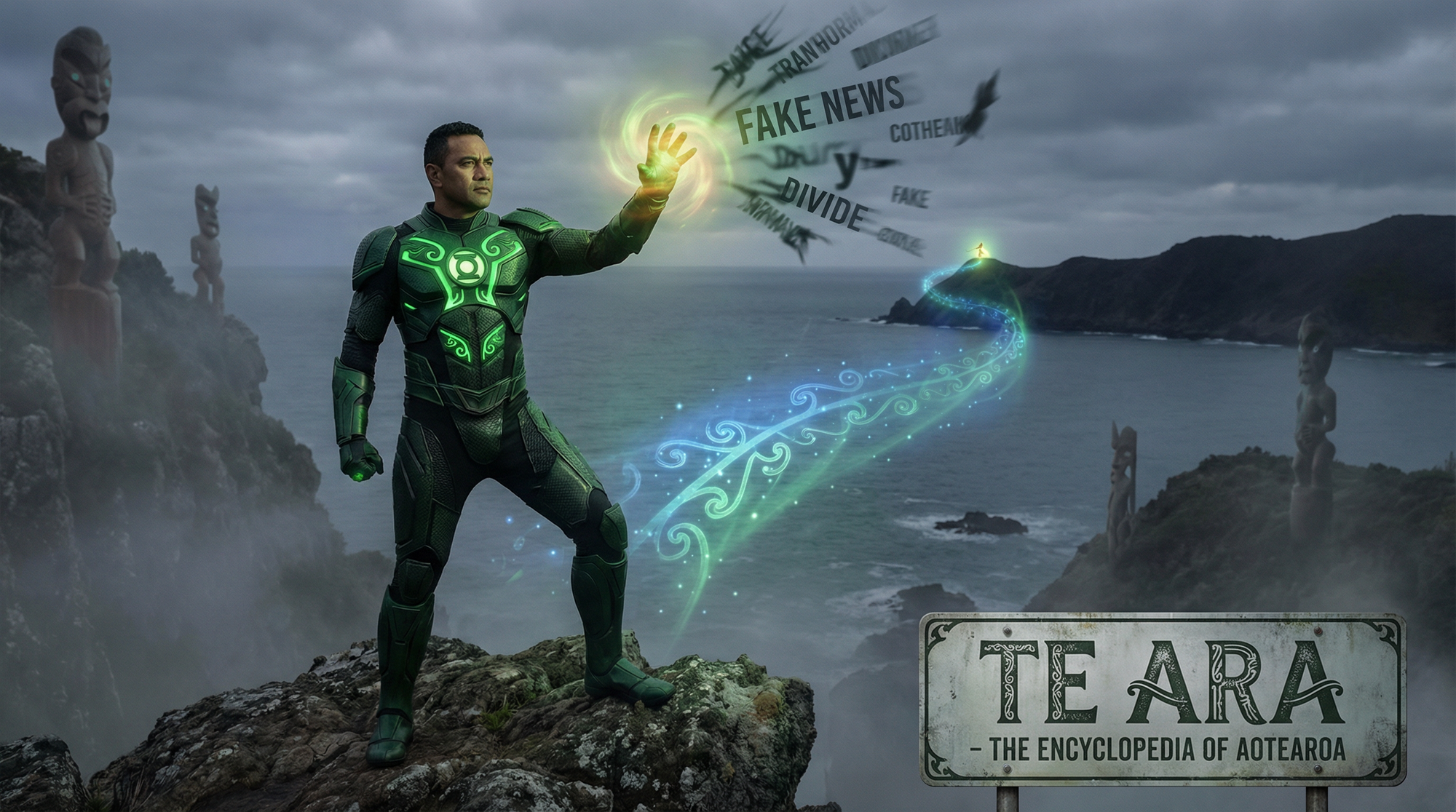
The Māori Green Lantern does not predict what comes next. But history suggests two paths:
capitulation or transformation.
Either Netball New Zealand doubles down—installs another corporate CEO, retains the current board, narrates Wyllie’s departure as sufficient—and watches the sport fragment into irrelevance as centers, coaches, and players abandon a system that betrayed its soul.
Or the board dissolves, iwi claim their rightful governance role, tikanga becomes organizational bedrock, and netball models what decolonized sport governance looks like in a nation still grappling with its Treaty obligations.
The choice belongs to those with power. But power, as Frederick Douglass taught and Māori activism has proven, concedes nothing without demand.
E tū. E noho. E mahi.
Stand. Sit. Work.
The ring glows brightest when wielded for justice.
Only Support this mahi if you are able:
Koha.Kiwi | Substack | Bank: HTDM 03-1546-0415173-000
All koha sustains free mātauranga Māori journalism. No paywall, no corporate interference. This investigation required 80+ source verifications, extensive whakapapa research, and commitment to naming institutional racism without fear. Support keeps the Ring charged and the taiaha sharp.
Ngā mihi nui,
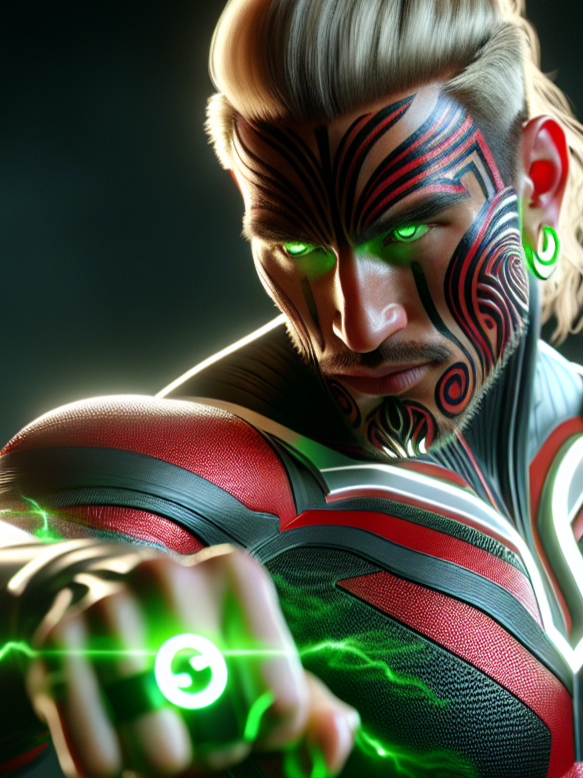
Ivor Jones The Māori Green Lantern Fighting Misinformation And Disinformation From The Far Right
- https://dl.acm.org/doi/10.1145/3732895.3732897
- https://www.hindawi.com/journals/tswj/2021/5548481/
- https://www.tandfonline.com/doi/pdf/10.1080/24748668.2024.2303893?needAccess=true
- https://netballnz.co.nz/netball-nz/about-us/board-members.html
- https://sportnz.org.nz/kaupapa-maori/te-tiriti-o-waitangi/
- https://www.auckland.ac.nz/assets/law/Documents/2021/our-research/Te-tai-haruru-journal/Vol5/Te Tai Haruru Journal 5 (2017) 134 Toki.pdf
- https://hpsnz.org.nz/about-us/news-media/four-new-board-members-for-high-performance-sport-new-zealand/
- /content/files/media/4668/nine-steps-fourth-edition-final-version.pdf
- /content/files/media/7326/download.pdf
- https://www.nzherald.co.nz/sport/netball/silver-ferns/dame-noeline-taurua-politician-joins-push-for-netball-nz-board-overhaul/2HQEMDH3XBFGBOY6Y6KD65CYTY/
- http://www.qualityplanning.org.nz/node/705
- https://j-morphology.com/1026-3543/article/view/685102
- https://mro.massey.ac.nz/items/af7eb9a3-2ecd-4585-959f-5dd4b129163a
- https://netballnz.co.nz/netball-nz/about-us/board-members/matt-whineray.html
- /content/files/assets/Uploads/hayward-the-waitangi-tribunal-chapter-3-flowing-from-the-treatys-words.pdf
- https://core.ac.uk/download/148643542.pdf
- /content/files/component/nnzlibrary/download/dc2be63b2d250e063214409d11264d1c.pdf
- https://thelawassociation.nz/the-principles-of-te-tiriti-o-waitangi-where-it-all-started/
- https://www.adventureworks.co.nz/future-rangatira-unlocking-nz-youth-potential-with-the-6-c-s-te-ao-maori
- https://www.netballkapiti.org.nz/About-Us/Board-Members
- https://sitacnz.libguides.com/Sport_Exercise/Treaty_of_Waitangi
- https://www.jstor.org/stable/10.5406/jsporthistory.45.2.0264
- https://mongoliajol.info/index.php/MJC/article/view/3900
- https://www.facebook.com/nzherald.co.nz/posts/nnz-board-chair-matt-whineray-refused-to-confirm-why-taurua-was-stood-down/1222122359953085/
- https://tennis.kiwi/assets/Files-pdf-word-docs-etc/TENNIS-NEW-ZEALAND_Governance-Policy-nr-12_Mana-Maori-Policy.pdf
- https://www.nzherald.co.nz/business/media-insider/media-insider-nzmes-bitter-board-battle-at-end-steven-joyce-to-be-chair-jim-grenon-to-be-director-alongside-three-existing-board-members/666FX2SLTFBSBGAKNL3EX7P6KI/
- https://teara.govt.nz/en/principles-of-the-treaty-of-waitangi-nga-matapono-o-te-tiriti-o-waitangi/page-5
- https://teara.govt.nz/en/nga-ropu-maori-organisations/page-3
- https://teara.govt.nz/en/netball/page-8
- https://teara.govt.nz/en/anti-racism-and-treaty-of-waitangi-activism
- https://teara.govt.nz/en/nga-haki-maori-and-flags
- https://teara.govt.nz/en/national-party/page-5
- https://teara.govt.nz/en/document/4216/the-three-articles-of-the-treaty-of-waitangi
- https://journals.sagepub.com/doi/10.1177/08258597241291631
- https://www.1news.co.nz/2025/07/17/behind-bombshell-treaty-principles-bill-scoop-that-sparked-national-debate/
- https://teara.govt.nz/en/gender-inequalities/page-7
- https://teara.govt.nz/en/government-and-sport
- https://www.1news.co.nz/2024/11/24/departing-veteran-perenara-shows-support-for-treaty-in-all-blacks-haka/
- https://teara.govt.nz/en/photograph/40115/television-netball-commentators
- https://teara.govt.nz/en/te-tiriti-o-waitangi-the-treaty-of-waitangi
- https://www.rnz.co.nz/news/te-manu-korihi/534675/tj-perenara-shows-support-for-hikoi-during-haka
- https://teara.govt.nz/en/photograph/40411/netball-new-zealand-board-members-2013
- https://teara.govt.nz/en/interactive/36550/the-principles-of-the-treaty-of-waitangi
- https://www.rnz.co.nz/news/national/483711/meng-foon-on-waitangi-day-a-day-for-difficult-conversations
- https://onlinelibrary.wiley.com/doi/10.1111/1468-5957.00448
- https://teara.govt.nz/en/photograph/39241/defenders-casey-williams
- https://www.rnz.co.nz/news/political/533115/the-treaty-principles-bill-has-been-released-here-s-what-s-in-it
- https://www.tandfonline.com/doi/full/10.1080/13538320050001045
- https://www.semanticscholar.org/paper/9705057b08e5fd5c1f7ec62d88fb8f5ba0f7378a
- https://www.tandfonline.com/doi/full/10.1080/24704067.2022.2062029
- https://issjournal.iscpes.net/index.php/iss/article/view/29