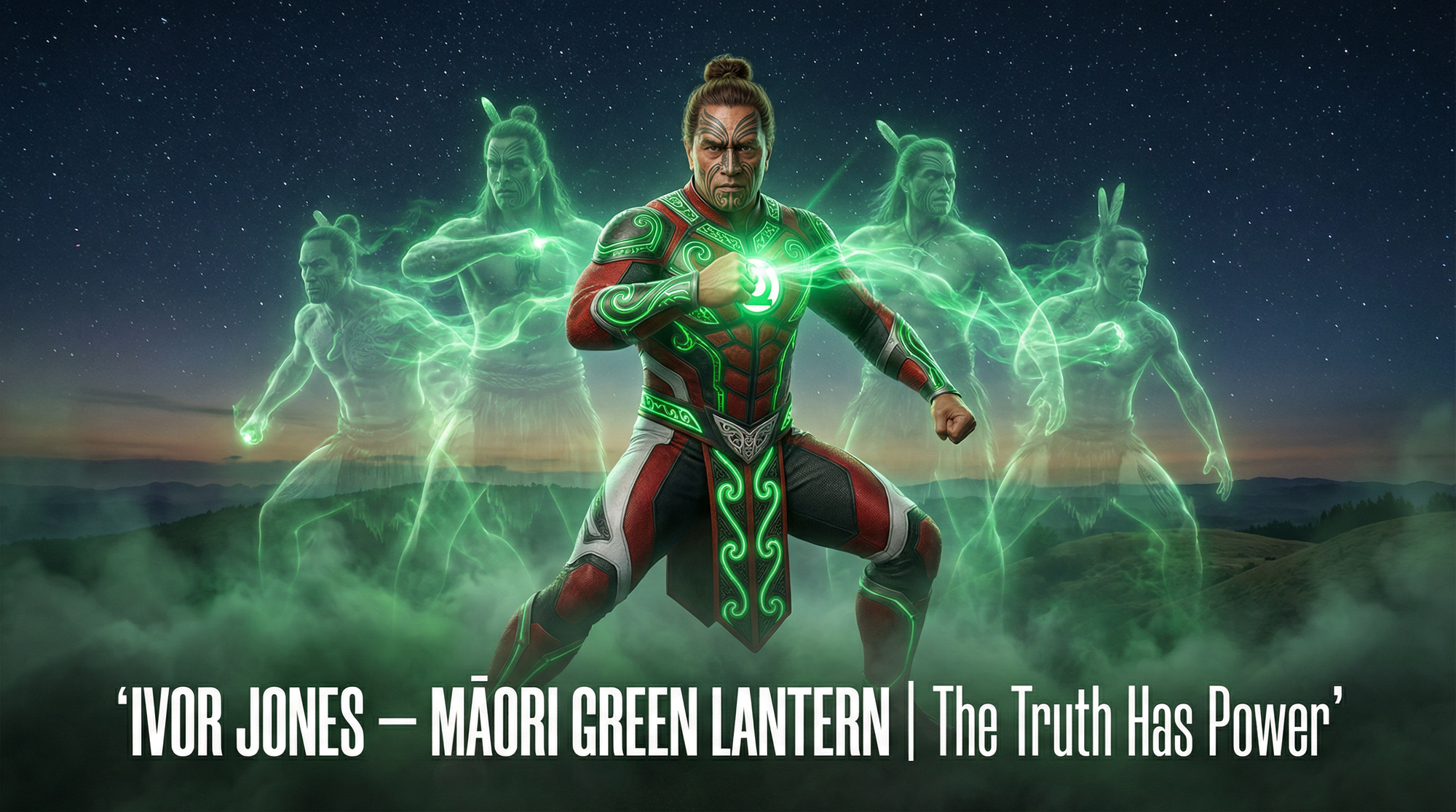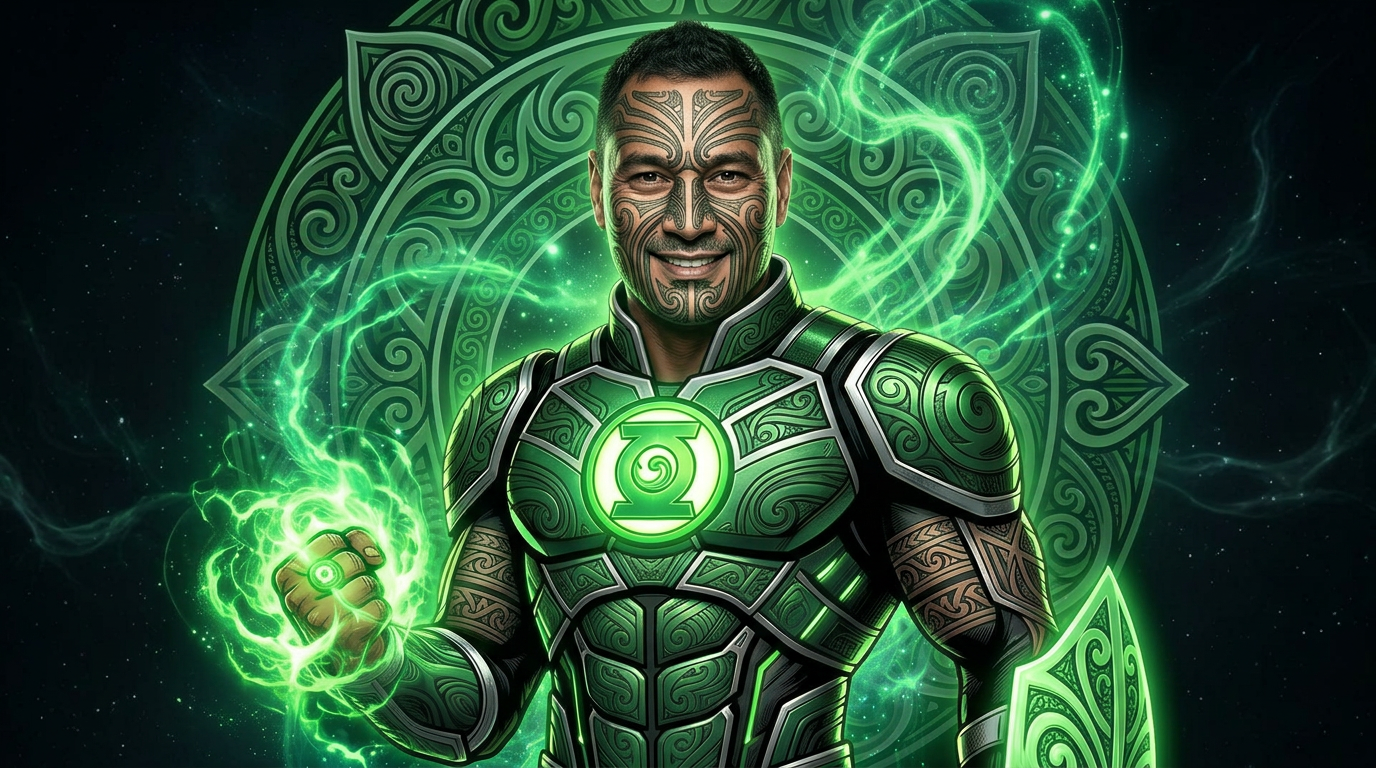
"When a racist broadcaster dials my phone to silence me, that is not a warning to stand down — it is proof I have driven my taiaha straight into the spine of white supremacy" - 4 April 2026
When the Pākehā Canary Screams: Why Sean Plunket’s SLAPP Threat Proves I Must Burn Hotter

Kia ora e te whānau,
On Good Friday, four hours after I published my essay Mumbo Jumbo, Money and Mana on themaorigreenlantern.maori.nz, my phone rang.
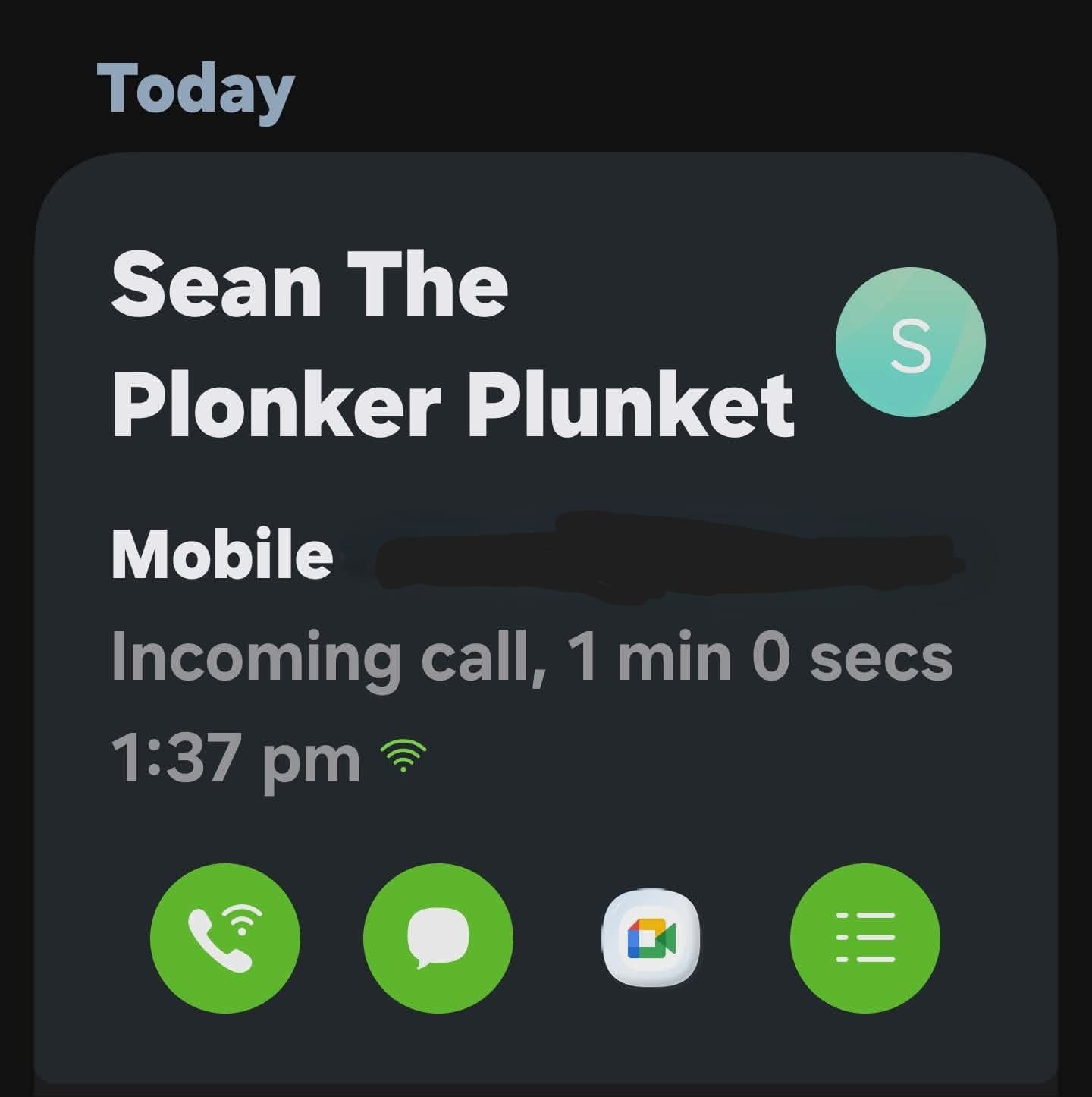
It was Sean Plunket. One minute. No specific allegation. No claim that any particular line in my essay was false. Just a promise that he wanted to
“serve legal papers”.
That’s not a man seeking redress. That’s a man hoping his name and his volume will scare a Māori writer off the battlefield his bosses built for him.
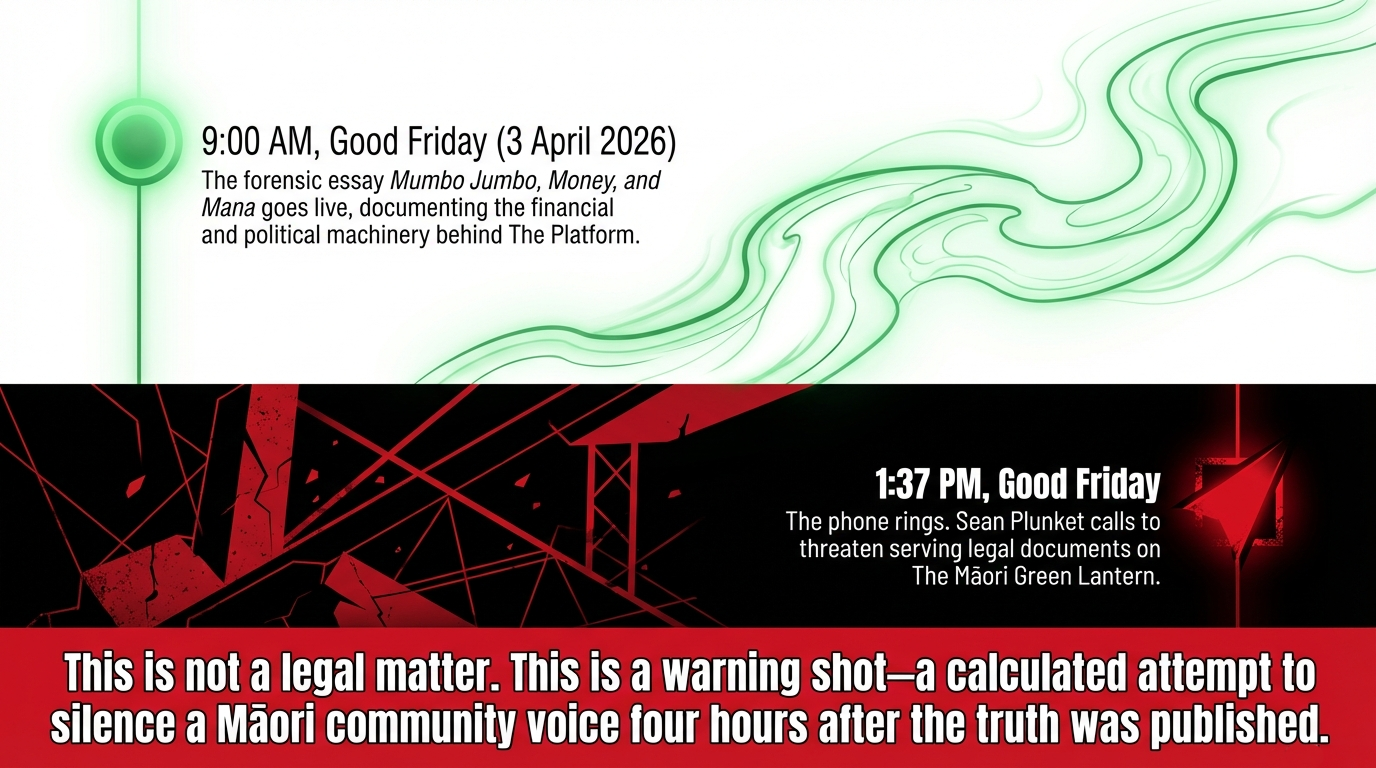
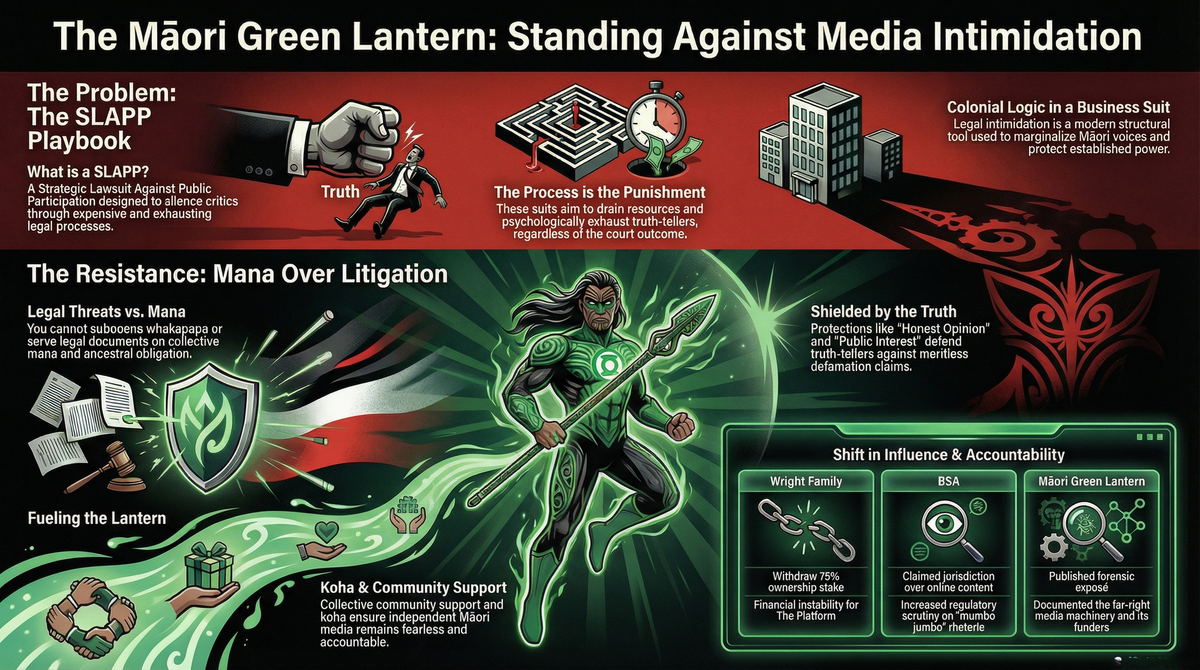
It’s a textbook Strategic Lawsuit Against Public Participation (SLAPP) move, exactly the type of threat outlined by Transparency International New Zealand and the Future of Free Speech project.
Let me be absolutely clear: I will not be silenced.
The taiaha does not lower because the canary in the coal mine is screaming. The bird shrieks because the tunnel it thought it owned is finally filling with light.
How I See It: The Rotting Pākehā Dam and Our Awa
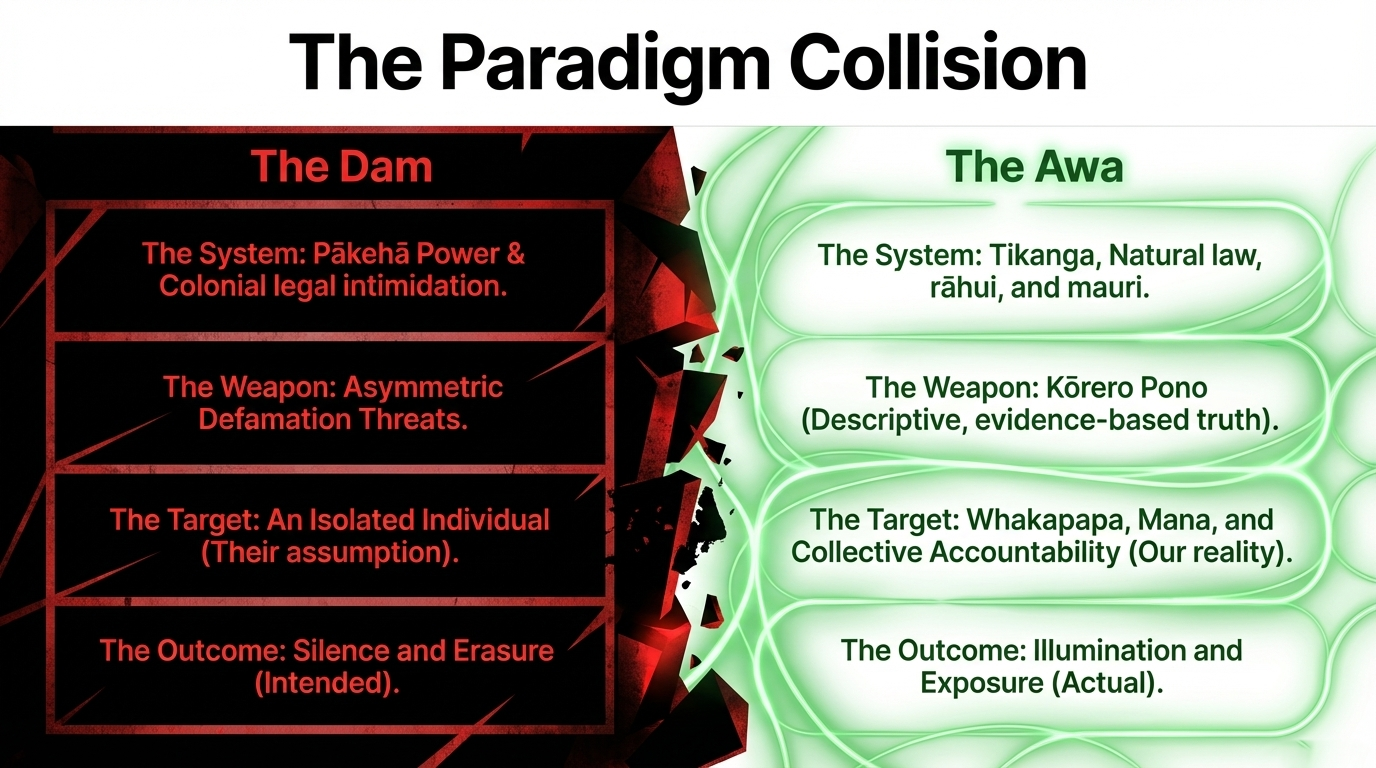
In my world, I don’t see “media spats.” I see awa and dams.
Our awa — our rivers — carry more than water. They carry tuna, kōura, kōrero, whakapapa. Tikanga is the law and rhythm of that river: rāhui when the stocks are low, karakia before taking, whakapapa to remember the taniwha that guard each bend.
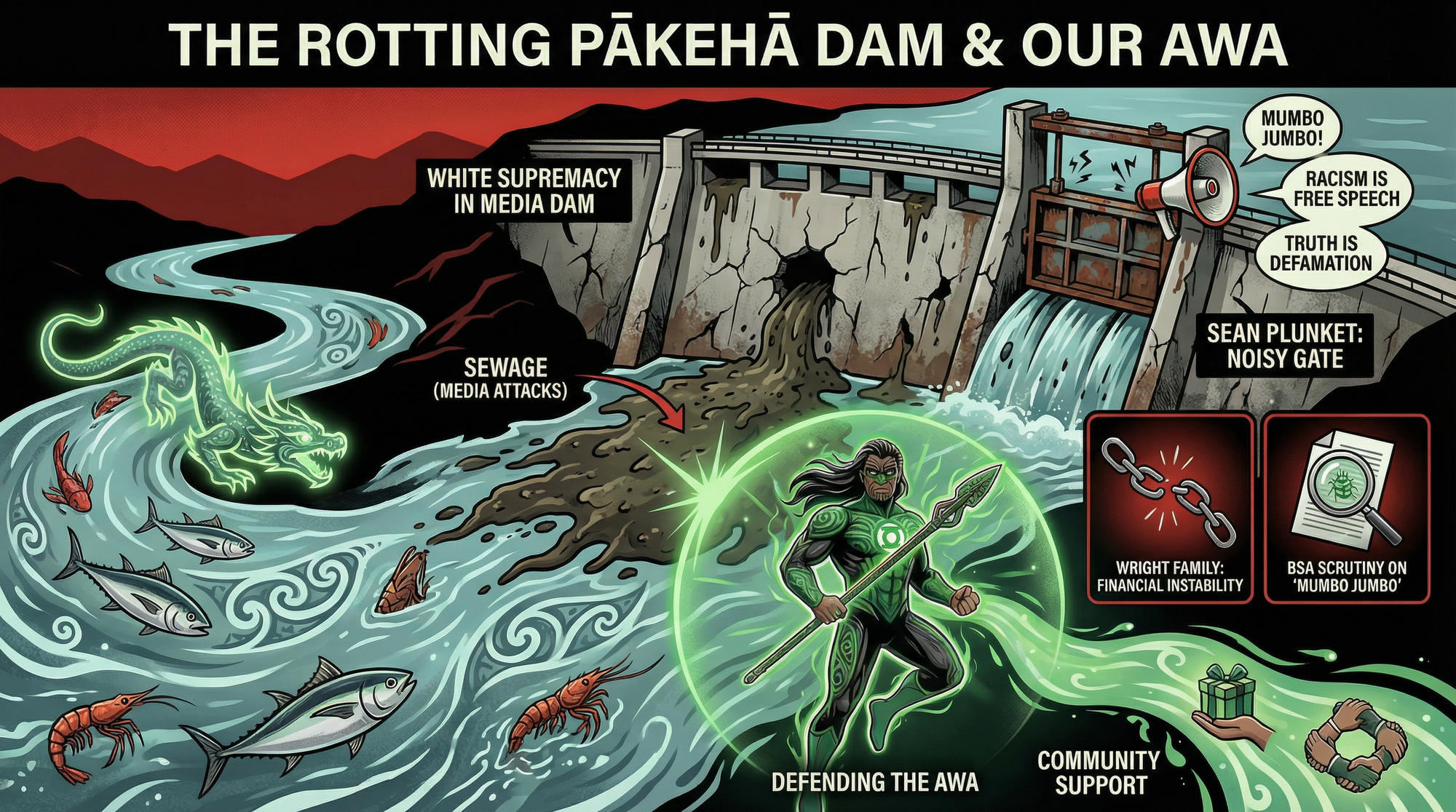
Across that awa, Pākehā power poured concrete. The dam is white supremacy in media. It exists for shareholders, not for tuna. It blocks flow, kills life, and then bottles “clean water” as content.
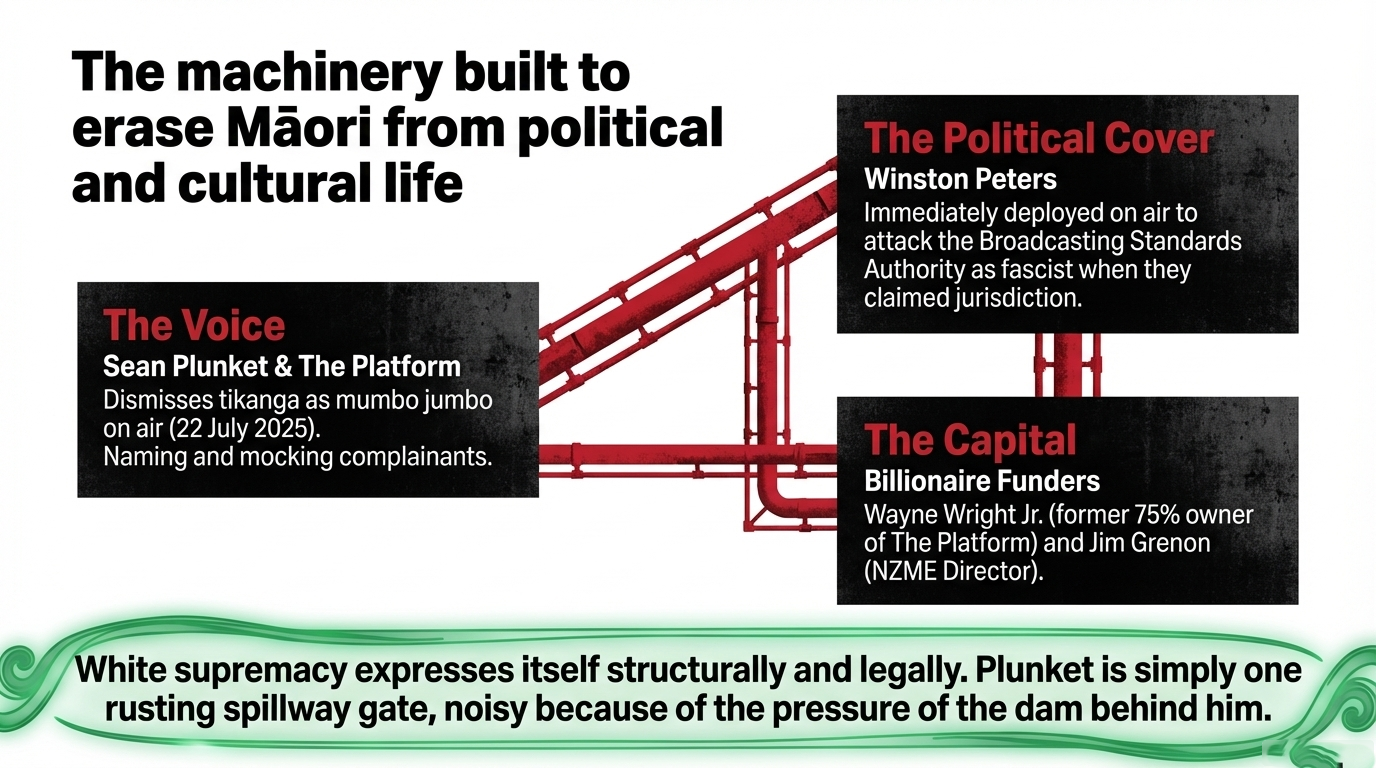
Sean Plunket is not the river. He is one rusting spillway gate — noisy only because of the pressure of the dam behind him. That dam includes men like Wayne Wright Jr, whom I track in “The Far-Right Attack on Māori Democracy” and “Three-Headed Taniwha” on my site.
The Deep Dive Podcast
Listen to a lively conversation between two hosts, unpacking and connecting topics in the sources of this essay
When Plunket calls tikanga “mumbo jumbo” on air — a broadcast now under BSA scrutiny and analysed by LawNews — he is not just “being provocative”. He is saying, to his audience and to the regulatory system:
“Māori law is nonsense. Pākehā law is sacred. My racism is free speech. Their truth-telling is defamation.”
From a tikanga lens, that is a direct attack on mauri, on mana o te kupu, and on tino rangatiratanga over our own narratives. When I write, I am not simply “critiquing media”. I am defending the awa from sewage.
His Good Friday phone call was an attempt to criminalise the act of pointing at the pipe.
I Know the Law He’s Betting I Don’t Understand
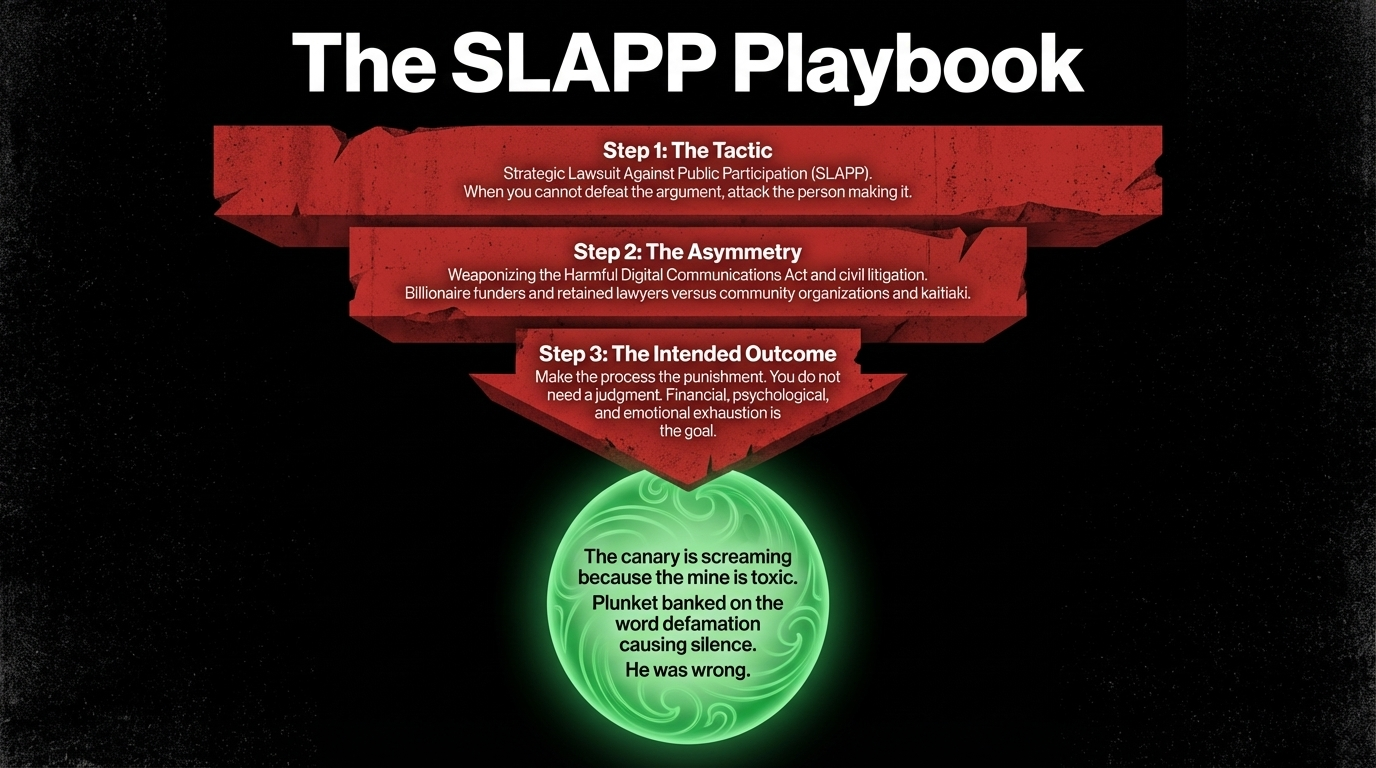
He is banking on me — and on you — hearing “defamation” and thinking “I better shut up”. I refuse.
New Zealand defamation law is set out in the Defamation Act 1992 and explained in plain language by firms like LegalVision and Harkness Henry. To succeed, he’d have to show that my words:
- Were published about him.
- Lowered his reputation in the eyes of reasonable people.
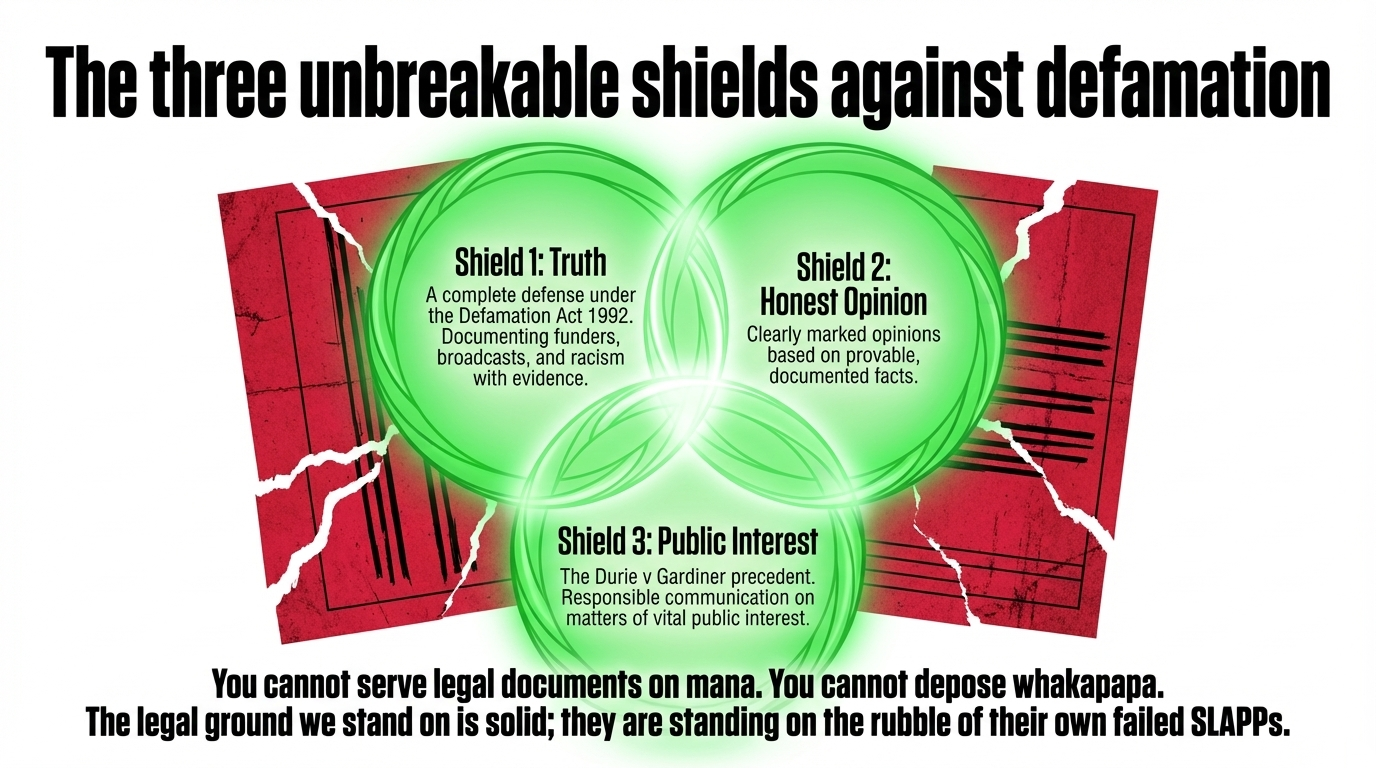
Even then, I have three shields:
- Truth — If what I say about him, his funders, his broadcasts, and his racism is true, that is a complete defence, as laid out by LegalVision and the Act itself.
- Honest opinion — My clearly marked opinions, based on provable facts, are protected, as analysed in “A Fairly Genuine Comment on Honest Opinion in New Zealand” in the Victoria University Law Review.
- Responsible communication on a matter of public interest — The Court of Appeal in Durie v Gardiner created this defence for precisely the kind of work I do, as explained by Tompkins Wake and Lane Neave.
And if that wasn’t enough, we now have Batchelor v TVNZ — where the court looked at a racist campaign, funded by a billionaire, and said: “No. Calling this racist is truth, it is honest opinion, and it is responsible public interest journalism,” as reported by 1News and unpacked by Media Law Journal. I wrote about exactly this in “Ko Wai Ka Tiaki i te Pono?”.
So when Plunket threatens defamation, he is not standing on solid legal ground. He’s standing on the rubble of his mates’ failed SLAPP.
Three Scathing Examples I Use to Explain This to the Western Mind
Let me make this clear to Pākehā readers. So here are three examples I use when I’m speaking to Western minds — with harm and solutions, through my eyes.
1. Batchelor v TVNZ — What Happens When the Billionaire’s SLAPP Collides With Truth
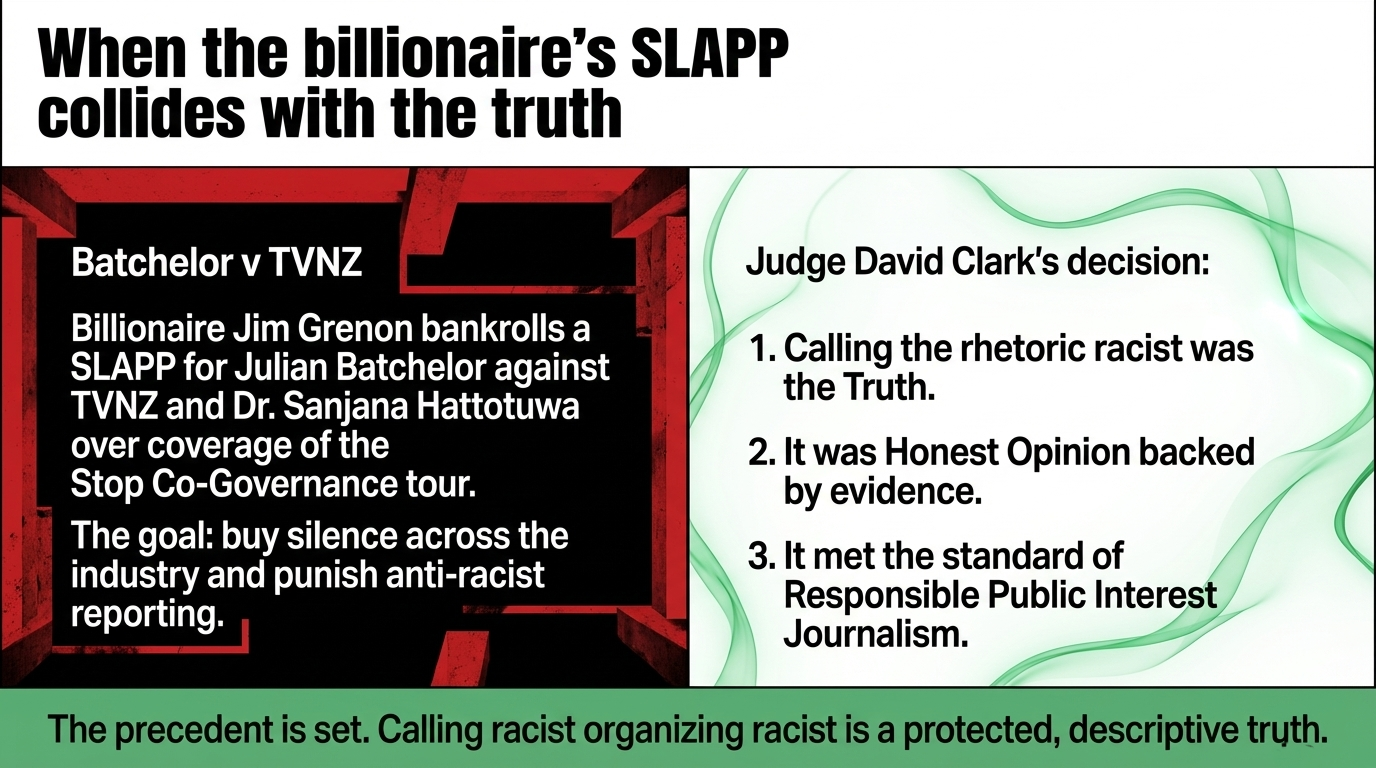
When Julian Batchelor sued TVNZ and Dr Sanjana Hattotuwa for calling his “Stop Co-Governance” circus racist, I knew exactly what I was looking at: a SLAPP funded by billionaire Jim Grenon, a director and major shareholder of NZME. That funding line was exposed in court and reported by The Spinoff, then dissected in “Inside the weirdest trial of the year”.
I wrote about this network — Grenon, NZME, Batchelor — in my own piece “Ko Wai Ka Tiaki i te Pono?”, arguing that when a billionaire media director funds a lawsuit against journalists, he’s trying to buy silence across the entire industry.
Judge David Clark saw it too. As summarised by 1News and Media Law Journal, he ruled:
- TVNZ and Hattotuwa told the truth.
- Their description of Batchelor’s rhetoric as racist was honest opinion backed by evidence.
- Their work met the Durie v Gardiner standard of responsible communication on a matter of public interest.
The harm I see
- Years of court time.
- Huge legal bills.
- A deliberate message to every other journalist: “If you call our racism racism, we’ll drag you through this too,” exactly the chilling effect described in research like “Silencing journalists in matters of public interest” in Journalism.
From a tikanga lens, Batchelor and Grenon tried to put a padlock on kōrero pono and mana o te kupu. They tried to turn descriptive truth into a punishable act.
My solution
- I cite Batchelor v TVNZ in my essays whenever I call racist organising racist.
- I connect that case back to NZME and Grenon, so readers see the whole network, as I did in “The Far-Right Attack on Māori Democracy”.
- I join the call for anti-SLAPP protections in Aotearoa, amplifying the arguments of Transparency International NZ and international analysis in pieces like this from The Conversation.
To Western readers: that case isn’t “over there”. It’s the template for what men like Plunket are trying to do to me now — and it already failed in court.
2. The “Mumbo Jumbo” Broadcast — Saying Tikanga Is Nonsense, Then Crying “Defamation” at Me
On 22 July 2025, on The Platform, Plunket dismissed tikanga Māori and the BSA’s treatment of it as “mumbo jumbo”. When a listener complained, he didn’t respond as a responsible broadcaster. He read the man’s name on air, mocked him, and claimed the BSA had no jurisdiction because he was “online”, as detailed in LawNews’ coverage and defended as “free speech” overreach by the Free Speech Union.
The BSA looked at the Broadcasting Act, looked at his operation, and decided: yes, The Platform is within its jurisdiction for streamed and on-demand content. The Spinoff called the decision “brave and principled”; others called it a power grab. I called it a minimum baseline — and added my own analysis in “Ko Wai Ka Tiaki i te Pono?”.
The harm I see
- Everyday people, especially Māori, watch him name a complainant on air and think: “I won’t ever complain. I don’t want that to be me.”
- His audience hears tikanga dismissed as “mumbo jumbo” and absorbs the message: “Māori values are illegitimate; Pākehā outrage is normal.”
- Regulators get framed as censors while racist framing gets laundered as “free speech”, a dynamic also seen in earlier BSA cases that ended his time at MagicTalk, discussed in Webworm’s piece and “Sean Plunket now stands alone on his Platform”.
From a tikanga lens, this is a direct punch at the legitimacy of tikanga as law, which I and many others know has been recognised by the Supreme Court in cases like Takamore v Clarke, discussed by the NZ Law Society. When he treats tikanga as superstition and then uses defamation threats to intimidate a Māori commentator, he is trying to invert the legal reality: Māori law as nonsense, his abuse as protected speech.
My solution
- I keep writing detailed essays that show how this behaviour is not “edgy” but structurally racist, such as “How RNZ Legitimises Far-Right Propaganda Through Pollwashing” and “Dismantling Duncan Garner’s Dangerous Distortions”.
- I insist that any future regulator or court take tikanga seriously as law, not as a punchline.
- I frame his “defamation” call to me as part of a pattern: a man who cannot abide any pushback from Māori without reaching for his lawyer’s number.
To Western readers: he isn’t just “saying the unsayable”. He is spitting on a recognised legal and cultural framework and then trying to sue anyone who points that out.
3. Grenon, NZME and the Capture of the Megaphone
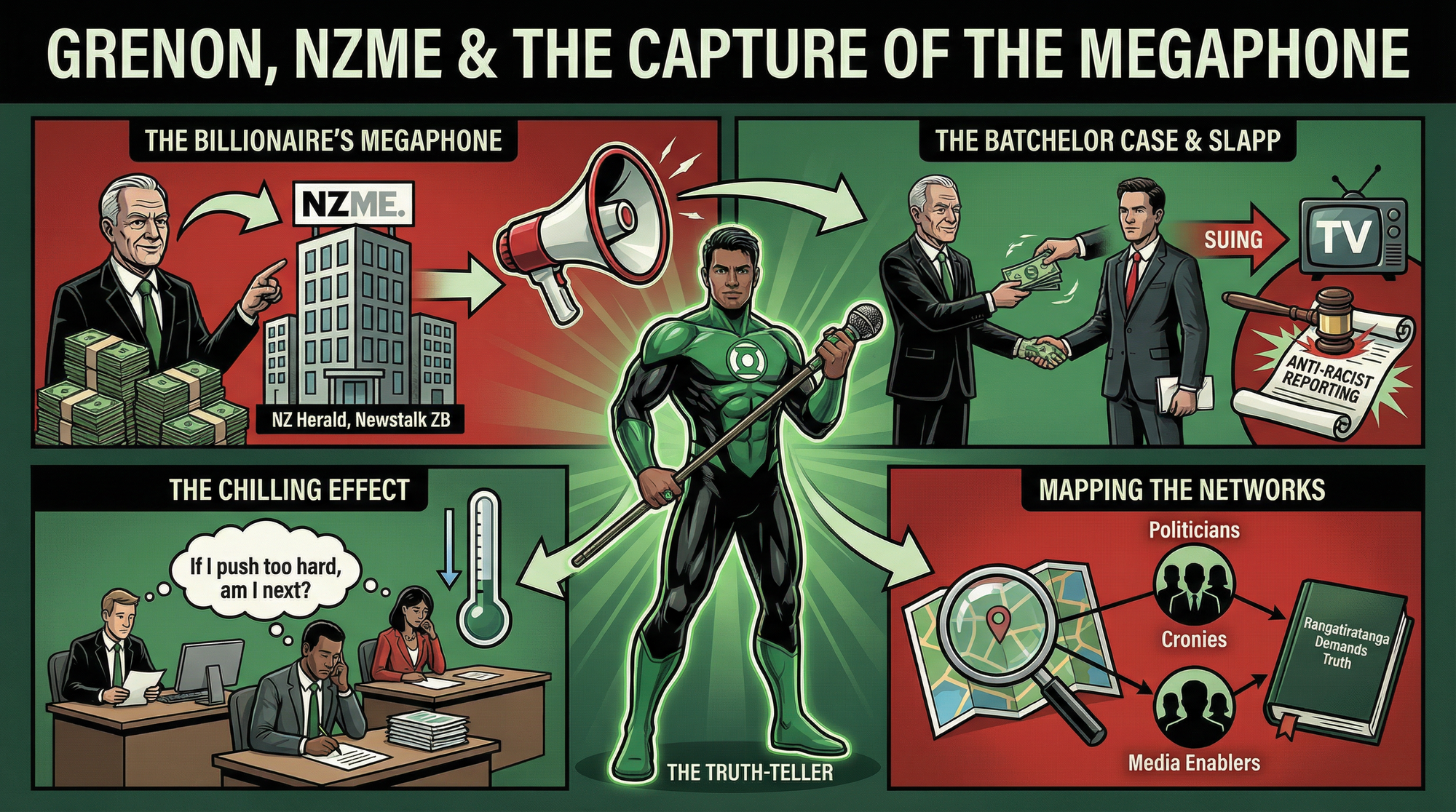
I’ve spent a lot of time writing about billionaires because they are the ones who own the dams and the megaphones. Jim Grenon is one of them. He holds roughly 18.5% of NZME, which owns the NZ Herald, Newstalk ZB and 40+ regional outlets, as reported by The Spinoff.
When the Batchelor case hit the courts, we learned:
- Grenon recruited Batchelor to sue TVNZ and Hattotuwa.
- He bankrolled the litigation and paid an overseas expert.
- His connection to that expert wasn’t fully disclosed, raising ethical questions, as outlined in “Inside the weirdest trial of the year” and detailed further by Media Law Journal.
I wrote plainly in “Ko Wai Ka Tiaki i te Pono?” that this is not just one man’s prejudice. It’s media capture: a NZME director willing to quietly bankroll a defamation case against journalists who call out racism.
The harm I see
- Millions of New Zealanders consume news shaped, directly or indirectly, by a man who has already used courts to punish anti-racist reporting.
- Journalists inside and outside NZME see that example and feel the chill: “If I push too hard on racism, will I be next?”
- The baseline of “acceptable” commentary shifts, as described in global defamation and SLAPP analysis by organisations like the Business & Human Rights Resource Centre.
From a tikanga lens, this is a frontal attack on tino rangatiratanga over narratives. When the storytellers are answerable to a billionaire who has shown he will litigate to protect racist allies, Māori realities become optional extras in the national story.
My solution
- I continue to map these networks in my essays — not just Batchelor and Grenon, but also Crown politicians, corporate cronies, and media enablers, as I did in “Infiltration Networks – How Political Operatives Weaponise Māori Autonomy” and “The Māori Green Lantern’s Exposé: Government’s Violent Dismantling of Māori Education”.
- I stand alongside journalists and academics globally who are documenting SLAPPs and media capture, drawing on work like “An Intersectional Analysis of Aotearoa New Zealand Journalists’ Online and Offline Experiences of Abuse, Threats and Violence” in Digital Journalism.
- I name names. Because that is what rangatiratanga demands.
To Western readers: this isn’t “conspiracy”. It’s admitted in court records and reported in mainstream outlets. My job is to assemble it and show you what it means.
Why His Phone Call Makes Me Double Down, Not Back Down
When Sean Plunket called me, I heard fear, not strength.
Here is a man who:
- Has intimidated editors before, as Duncan Greive described in “Me and Sean Plunket: a brief history”.
- Has already been sanctioned once for amplifying “casual racism towards Māori” at MagicTalk, as covered in pieces like Webworm’s analysis and referenced in “Sean Plunket now stands alone on his Platform”.
- Has now moved from picking on individual complainants to threatening a Māori commentator whose work is heavily footnoted, cross-checked, and grounded in public interest law.
If he truly believed I was wrong, he could:
- Identify the specific line he claims is false.
- Offer evidence to the contrary.
- Publish his own rebuttal and, if necessary, contest it in court.
Instead, he chose the colonial whisper down the phone:
“I’ll serve you papers.”
That is not the move of an honest commentator. It is the reflex of a man who sees the dam shifting under his feet.
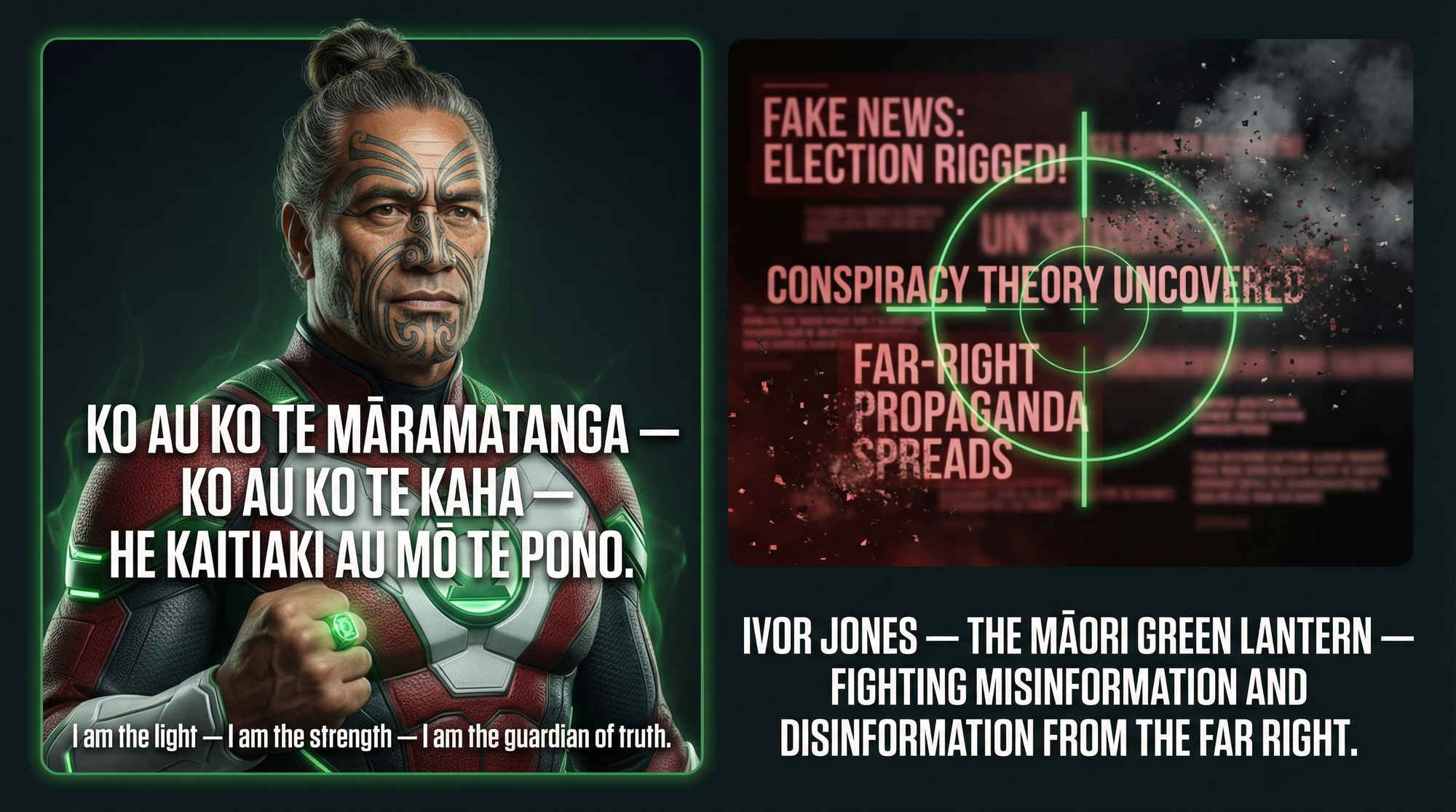
For me, as the Māori Green Lantern, it is a signal to burn hotter, not dimmer.
Koha Consideration — Fuel for the Lantern, Not for the Dam

This essay is not just about one broadcaster’s insecurity. It is about a system where:
- A billionaire NZME director funds defamation attacks on journalists.
- A racist broadcaster mocks tikanga as “mumbo jumbo” and weaponises his audience against complainants.
- Regulators and politicians move too slowly while Māori communities and journalists wear the harm.
Every essay I write that exposes this is a strike of the taiaha against that rotting Pākehā dam.
Every koha is not a “tip for content”. It is a declaration of rangatiratanga — that we, as whānau, will fund the accountability that Crown agencies and corporate media refuse to provide. It says to Grenon, to NZME, to Plunket, and to every politician hiding in their shadow:
We will fund our own truth-tellers when yours are paid to lie.
If you are able, consider a koha to ensure that when men like Sean Plunket pick up the phone to threaten me, they are answered by an entire hapū standing behind this kaupapa:
Support this mahi directly: Koha — The Māori Green Lantern: Fighting misinformation and disinformation
Subscribe and receive essays directly, building a community that no broadcaster can switch off: Subscribe to The Māori Green Lantern
Direct bank transfer: HTDM, account 03-1546-0415173-000
If you cannot koha financially, kei te pai. Korero is koha. Subscribe or follow at themaorigreenlantern.maori.nz, talk about these essays with your whānau and friends, challenge disinformation when you see it. Every conversation that drags their lies into the light is another crack in their dam.
Kia kaha, e te whānau. The canary is screaming because the mine is toxic. My job as the Māori Green Lantern is not to leave the mine — it is to bring more of us down there with taiaha and torches, until there is nowhere left for these cowards to hide.