
"THE FILE THEY PRAYED WOULD DIE: Kereama Akuhata, SWAP, and the War the Crown Could Not Bury" - 27 April 2026
They poisoned Māori workers, fenced off the truth with paperwork, and waited for the obituary column to finish the job. But the file did not die with Joe Harawira. It stood back up in Kereama Akuhata, in Marama Cook, and in every whānau the Crown hoped exhaustion would silence.


The final of Five Essays of The Green Chain Series | By Ivor Jones, Te Māori Green Lantern | April 2026
Kia ora Whānau,
He Kupu Whakataki — The File That Refused to Rot
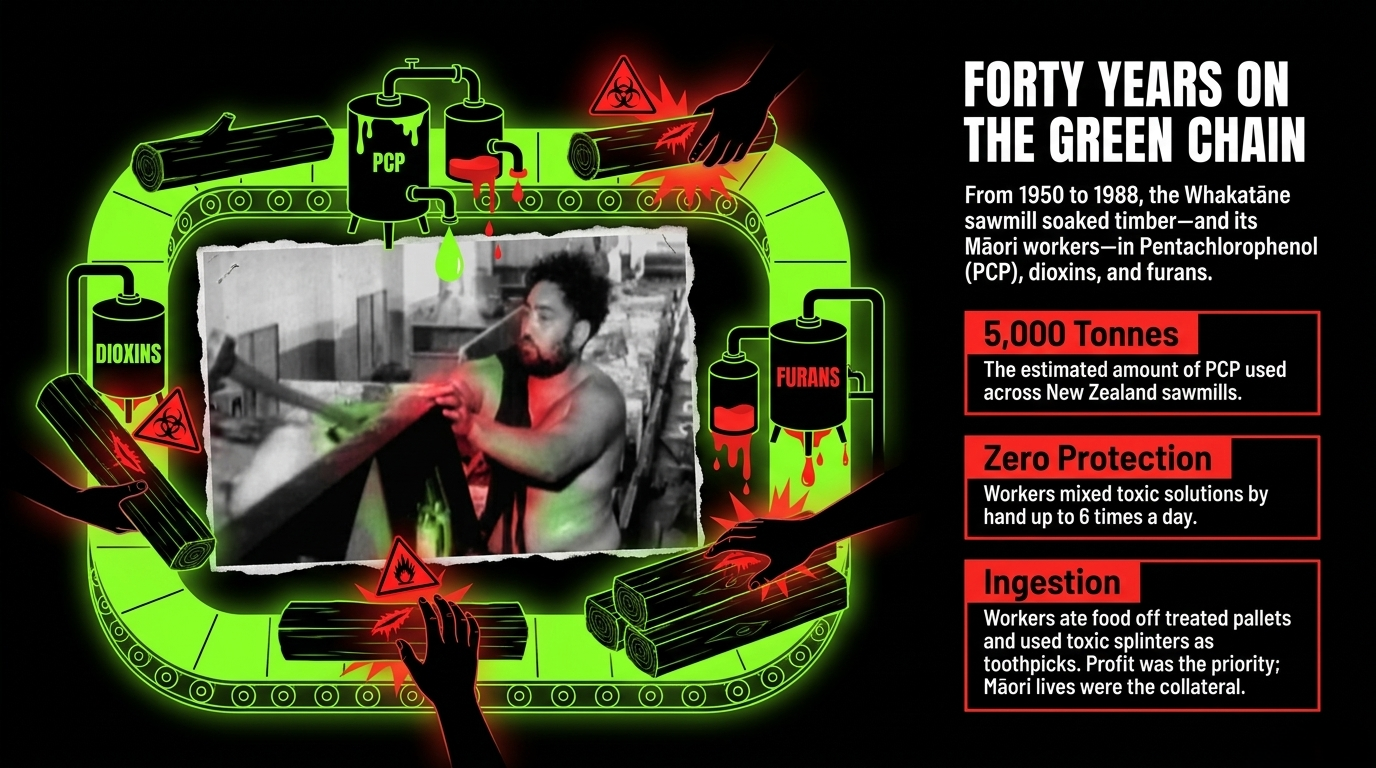
Some governments build hospitals. Some build schools. This one inherited a chemical graveyard, a broken people, and a legal record of delay
— and still chose to keep starving Māori health while pretending history was someone else’s problem.
That is the moral furniture of white supremacist neoliberalism: poison the worker, dispute the illness, defund the cure, and call the spreadsheet responsible.
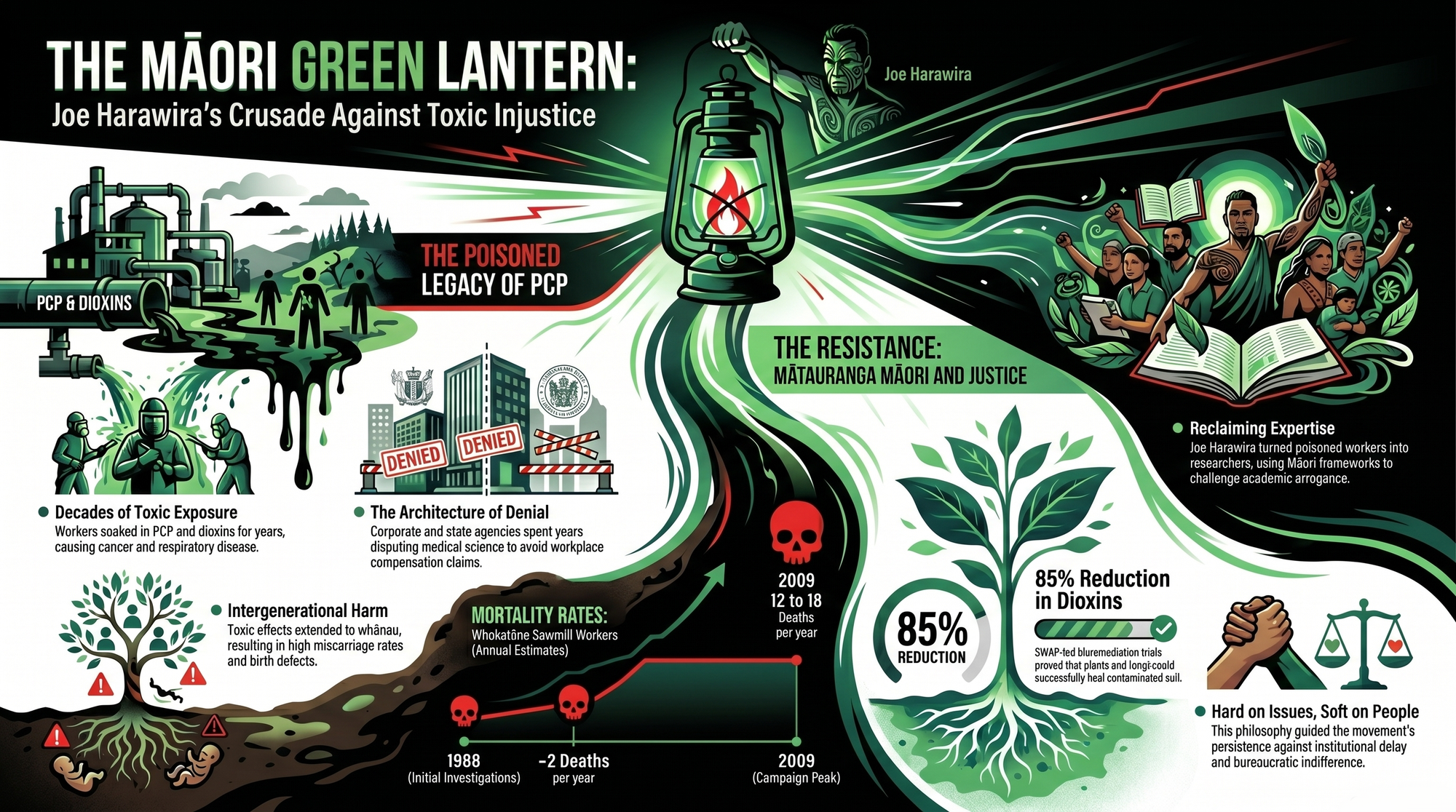
The struggle led by Sawmill Workers Against Poisons was never just about one sawmill or one set of claims. As recorded by Te Ara, Joe Harawira fought for recognition of poisoning to workers, whānau, whenua, and waterways caused by pentachlorophenol, dioxins, and furans.
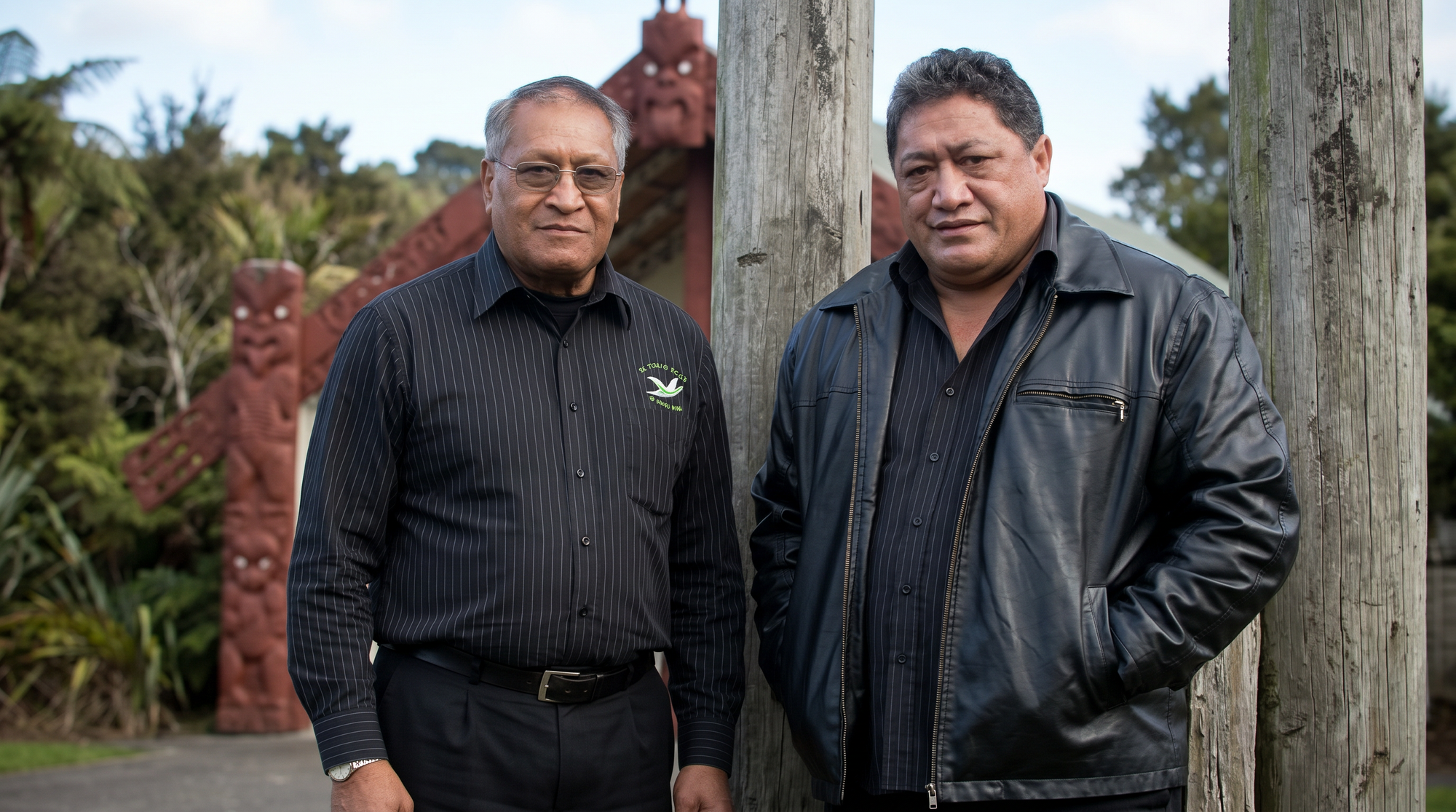
As reflected by E-Tangata, after Joe’s death Kereama Akuhata stood where Joe had stood, carrying forward a struggle still marked by illness, cost, and institutional refusal.
This is not a closed chapter. It is a file the Crown keeps trying to bury under delay, and a people who keep digging it back up.
The Deep Dive Podcast
Listen to a lively conversation between two hosts, unpacking and connecting topics in the sources of this essay.
This final essay retains the whole line of argument from the earlier essays and sharpens them. It names what Joe built, what Kereama inherited, what SWAP won, what the state stole through attrition, and what rangatiratanga requires now.
It also says the impolite thing plainly: a government that cuts Māori health while unresolved toxic harm still moves through Māori whānau is not neutral. It is an accomplice after the fact.
The Torch Joe Lit
As recorded by Te Ara, Joe Harawira spent 29 years in the timber industry, then dedicated himself to SWAP after the Whakatāne mill closed and ACC refused workplace compensation because his illnesses could not be definitively linked to work.
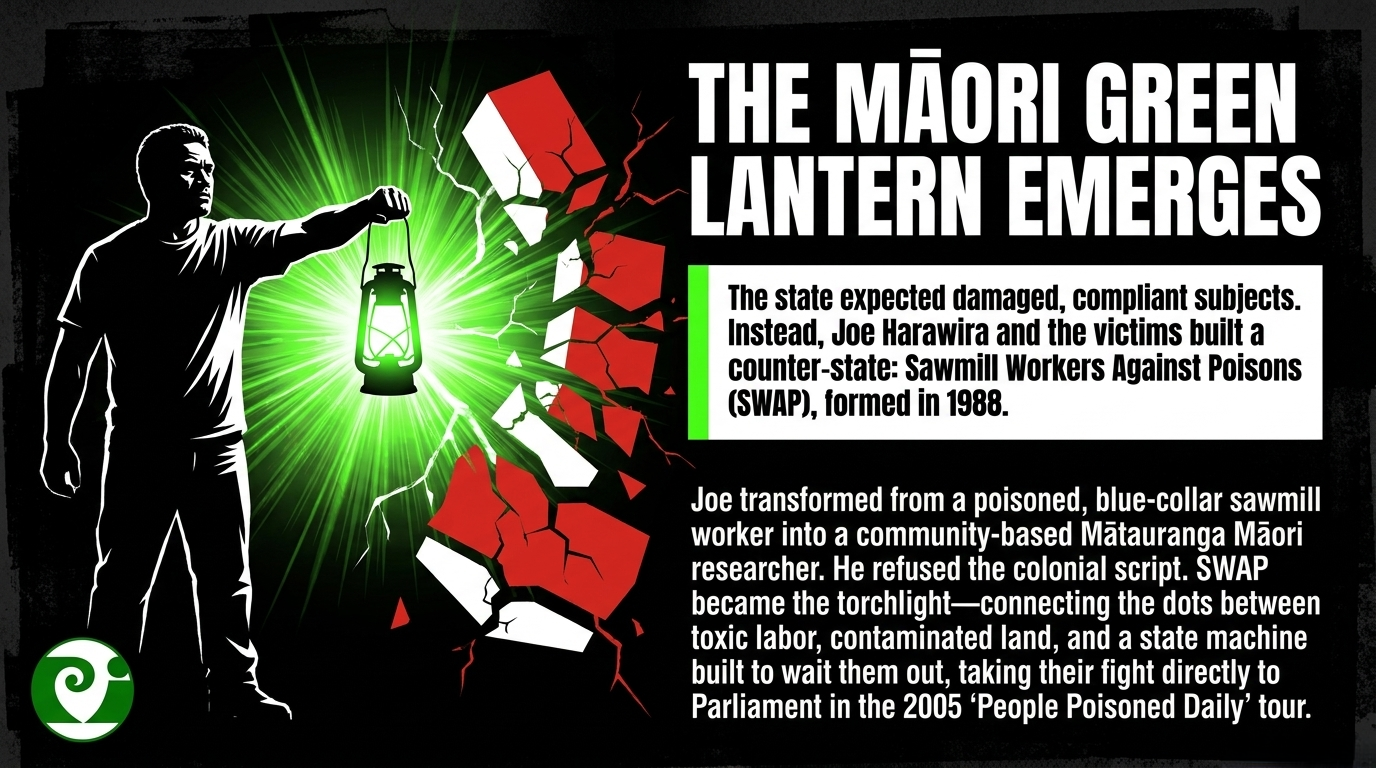
As recorded by Te Ara, SWAP became an incorporated society in 1996, with Nick Curtis as chairperson, Matiaha Kohe as secretary, and Joe Harawira as co-ordinator. As described by MAI Journal, Joe emerged as a community-based environmental science researcher grounded in mātauranga Māori rather than formal academic credentials.
That transformation matters because it broke a colonial script.
The state prefers Māori communities as damaged subjects, not as investigators. It prefers us as case studies, not as authors of evidence.
Joe refused that role.
He turned the poisoned worker into the analyst, the organiser, the witness, and the strategist.
As recorded by Te Ara, Joe fought not only for medical care but also against the inequities of the Accident Compensation Act 2001, which excluded PCP, dioxins, and furans from the list of causes of work-related illness for which compensation could be sought.
That exclusion is the kind of bureaucratic sleight of hand neoliberals adore: turn the wound into an eligibility problem, then pretend the problem is technical rather than moral.
What Joe Built
Joe did not build a support group. He built a counter-state.
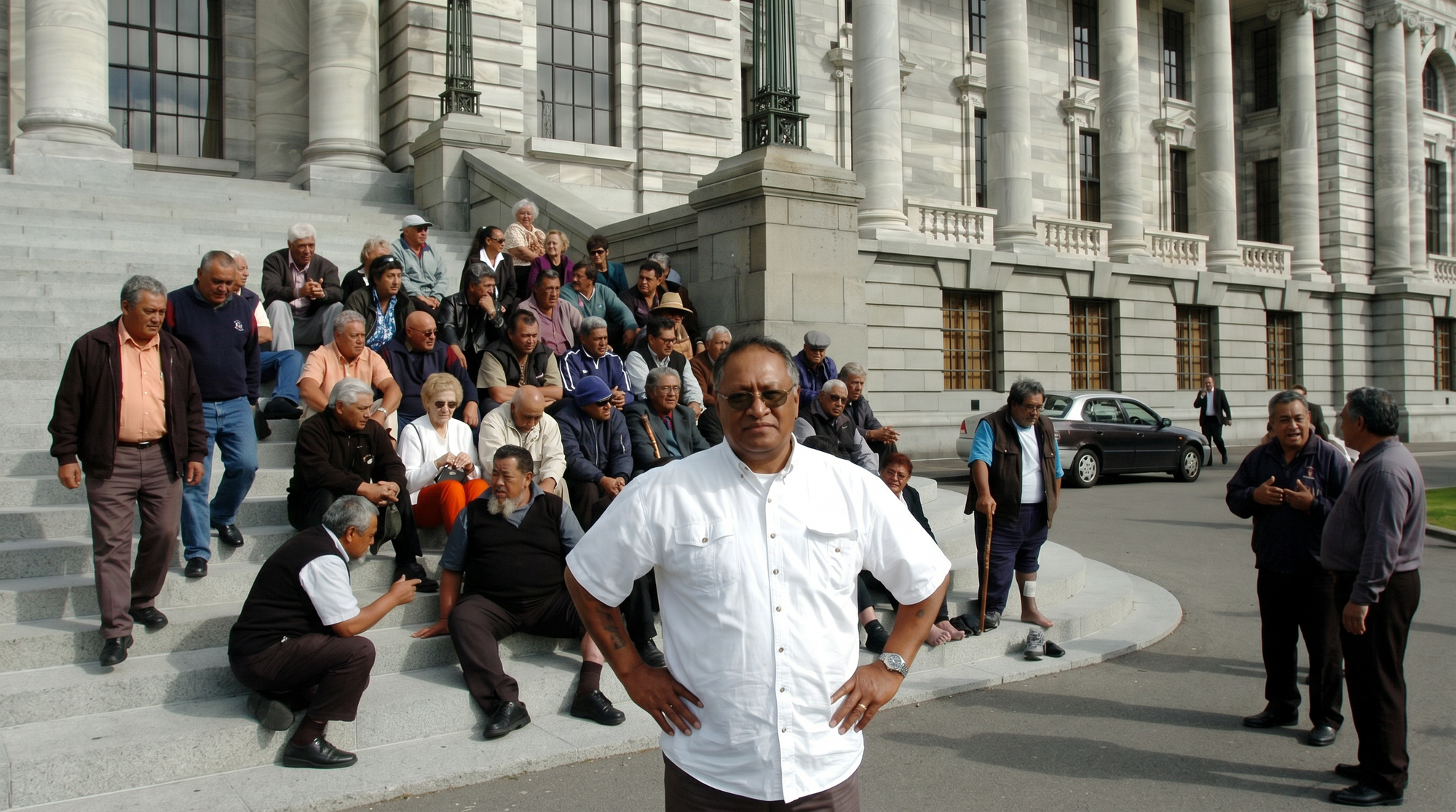
As recorded by Te Ara, Joe, Kereama Akuhata, Catherine Delahunty, and a small Greenpeace-supported team launched the “People poisoned daily tour” in 2005, taking the kaupapa from Bay of Plenty to Taranaki and linking sawmill workers with poisoned communities and Vietnam veterans. As reflected in E-Tangata, the work connected people who had been lied to, abandoned, and made to carry the burden of proof for harms they never consented to.
This is the part the Crown never forgives. SWAP did not simply complain. It connected the dots. It traced systems. It named agencies. It linked toxic labour to toxic law, contaminated land to contaminated governance, and injured whānau to a state machine built to wait them out.
That same architecture of punishment is part of a wider pattern already exposed across The Māori Green Lantern archive.
In Dying on the Books, ACC is shown converting urgent harm into a waiting room for death.
In The Traffic Light Taiaha, the current government is framed as building a punishment machine that treats Māori vulnerability as administrative clutter.
In The Trapdoor Prime Minister, political leadership is stripped back to its hollow managerial instinct: protect the institution, not the people.
What Was Won
Victories came, but they came like drops from a burst pipe after the house was already flooded.
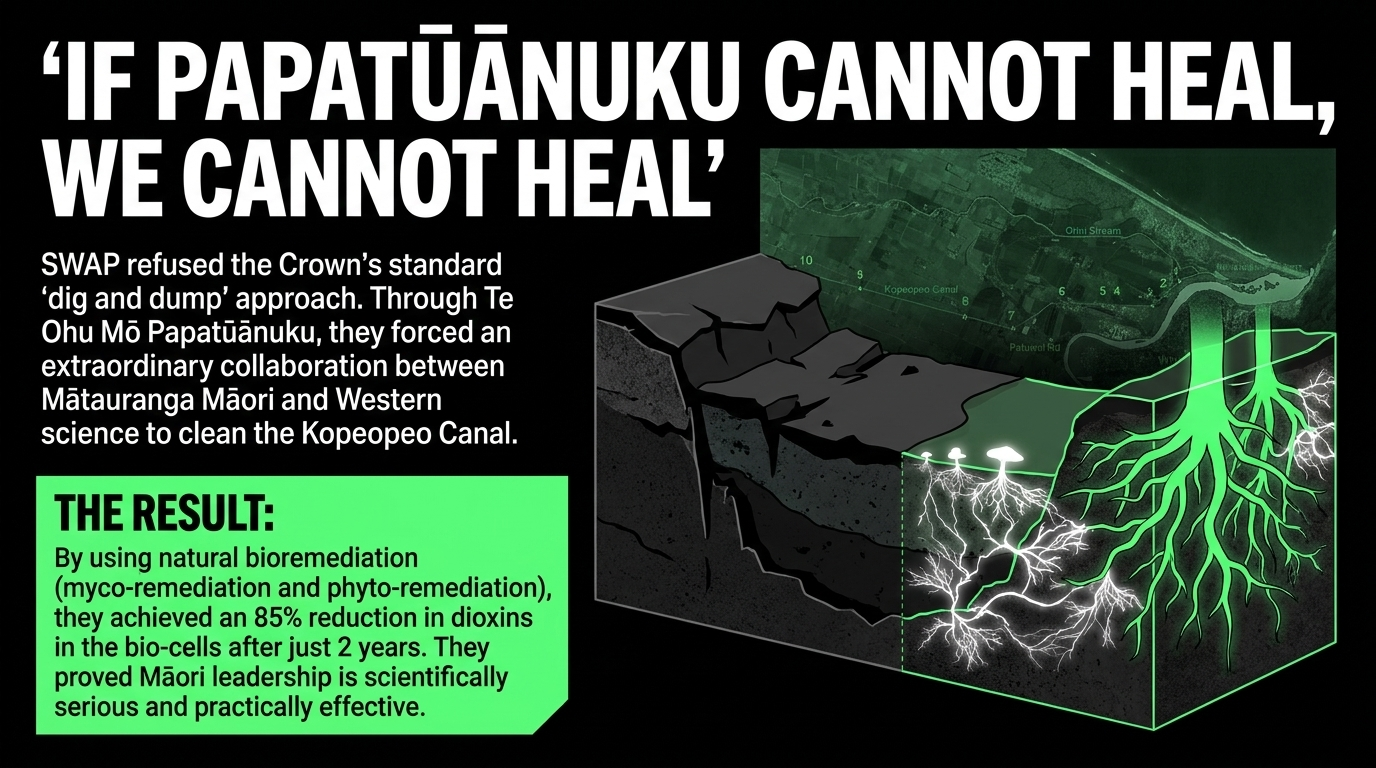
As recorded by Te Ara, SWAP and Ngāti Awa pushed the clean-up of toxic sites around Whakatāne, including the Kopeopeo Canal, contaminated by decades of stormwater from the sawmill. As recorded by Te Ara, SWAP inspired Te Ohu Mō Papatūānuku, a collaboration involving tangata whenua, scientists, local authorities, and policy agencies, and by 2011 the project had shown that plants and fungi could degrade dioxin in canal sediment.
That is a real win. It proved Māori leadership was not ceremonial. It was scientifically serious, practically effective, and morally cleaner than the agencies that had spent years dithering while poisoned communities buried their dead.
Another win was epistemic. As recorded by Te Ara, Joe transformed from a blue-collar sawmill worker into a respected community-based researcher. As noted by the Green Party tribute, he showed that poisoned workers could expose contamination, pressure the state, and lead the work of restoring damaged whenua. The lie that expertise only arrives wearing a tie and carrying institutional permission was shattered.
The greatest win, though, was not technical. It was spiritual and political. Joe made whānau the authors of the truth. He denied the Crown the comfort of deciding what counted as evidence while Māori people were still living inside the consequences.
What Was Lost
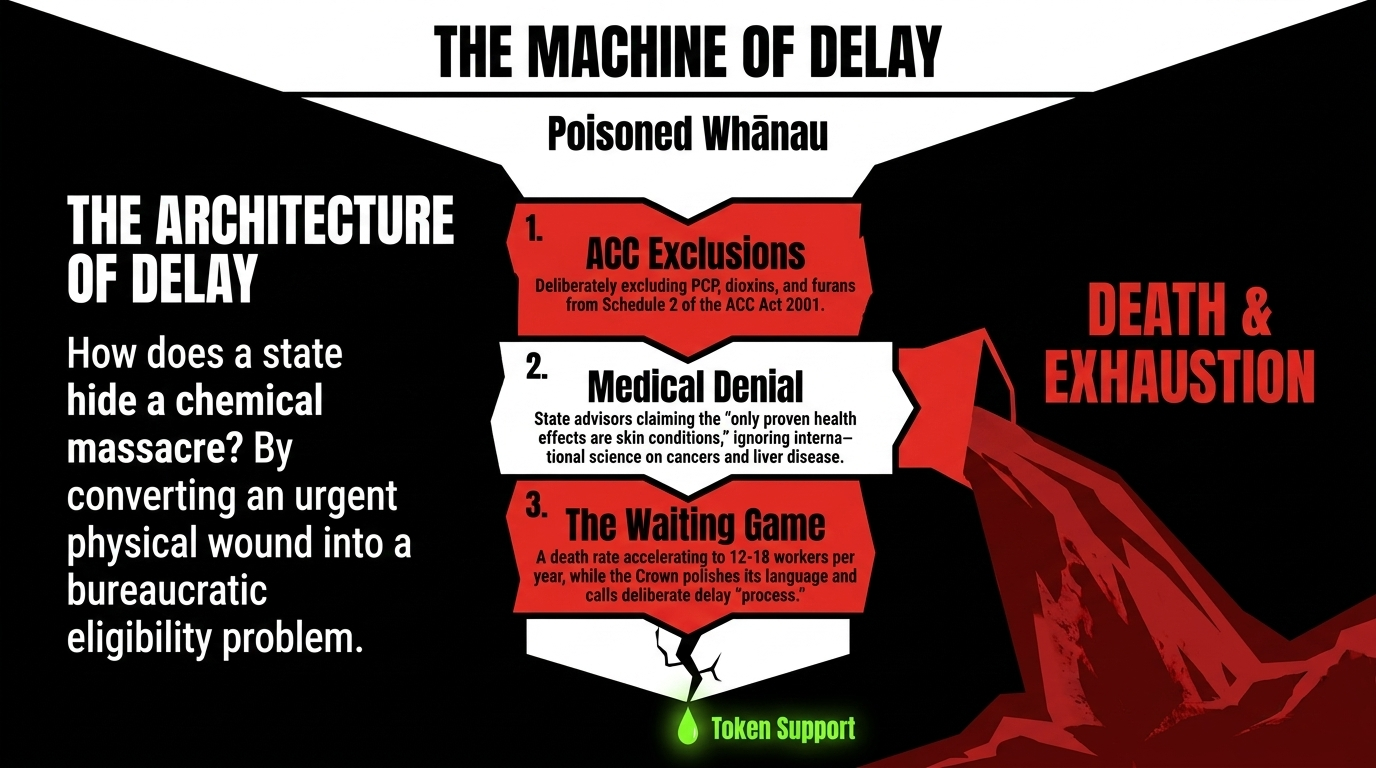
Still, let us not romanticise endurance. Movements that fight poisoned states do not glide from victory to victory. They age in waiting rooms. They die on hold. They pass files between generations because the system calculates that death is cheaper than justice.
As reflected in E-Tangata, many of the larger group of sick men and whānau who once made up SWAP have died. As reported by NZ Herald, Joe Harawira died in January 2017 after years fighting corporate and state resistance over PCP poisoning. As noted in the Labour History Project bulletin, after Joe’s death SWAP renewed its challenge to ACC for the remaining workers and their whānau.
What was lost is counted in bodies, but also in years. Years of work. Years of parenting. Years of health. Years of certainty. Years stolen while bureaucrats polished their language and called deliberate delay “process.”
That is how the colonial state murders with paperwork. Not always by rejecting every claim outright. Sometimes by stretching time until grief becomes the system’s most efficient claims assessor.
Kereama Akuhata and the Continuity They Could Not Kill
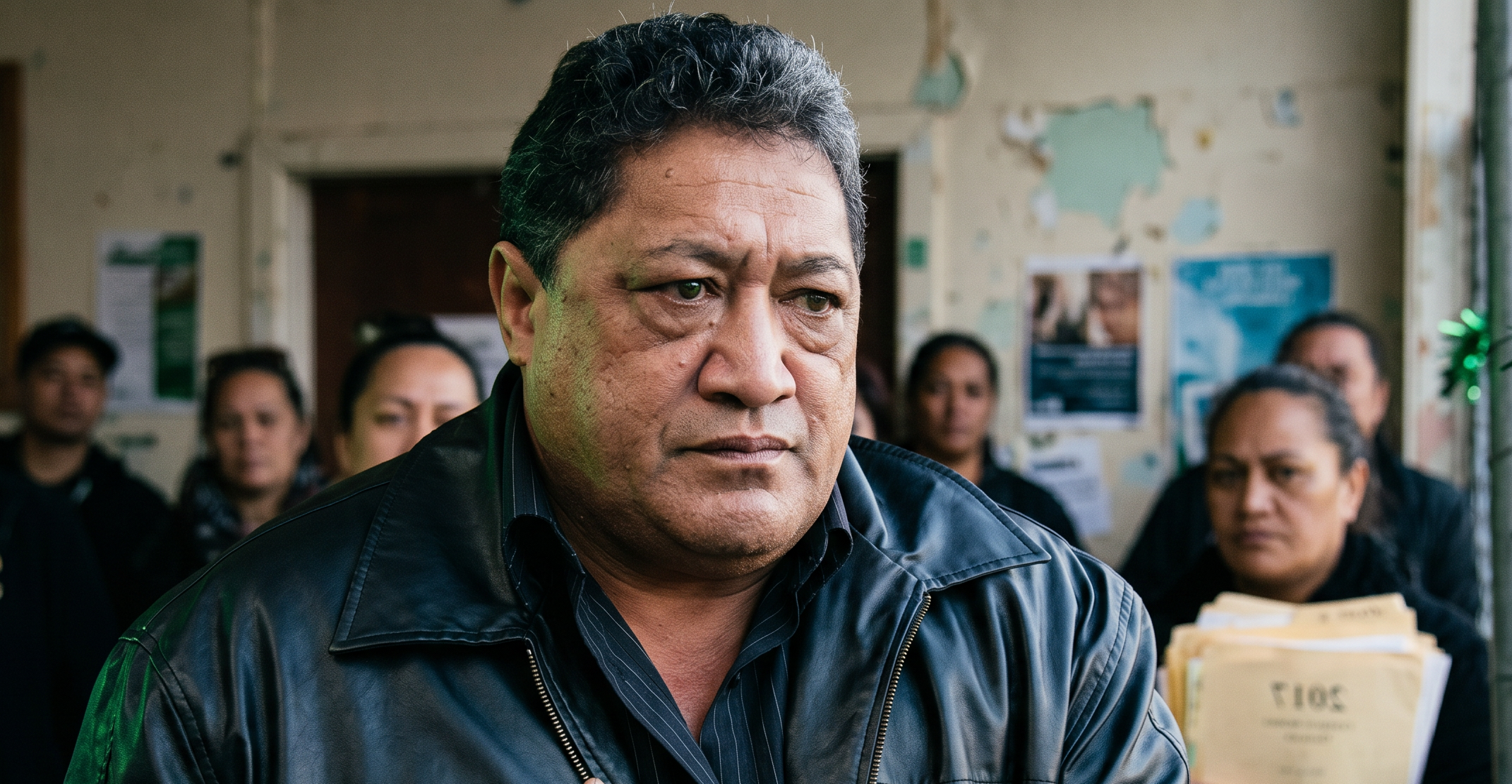
The Crown knows how to wait out scandal. It does not know what to do with continuity.
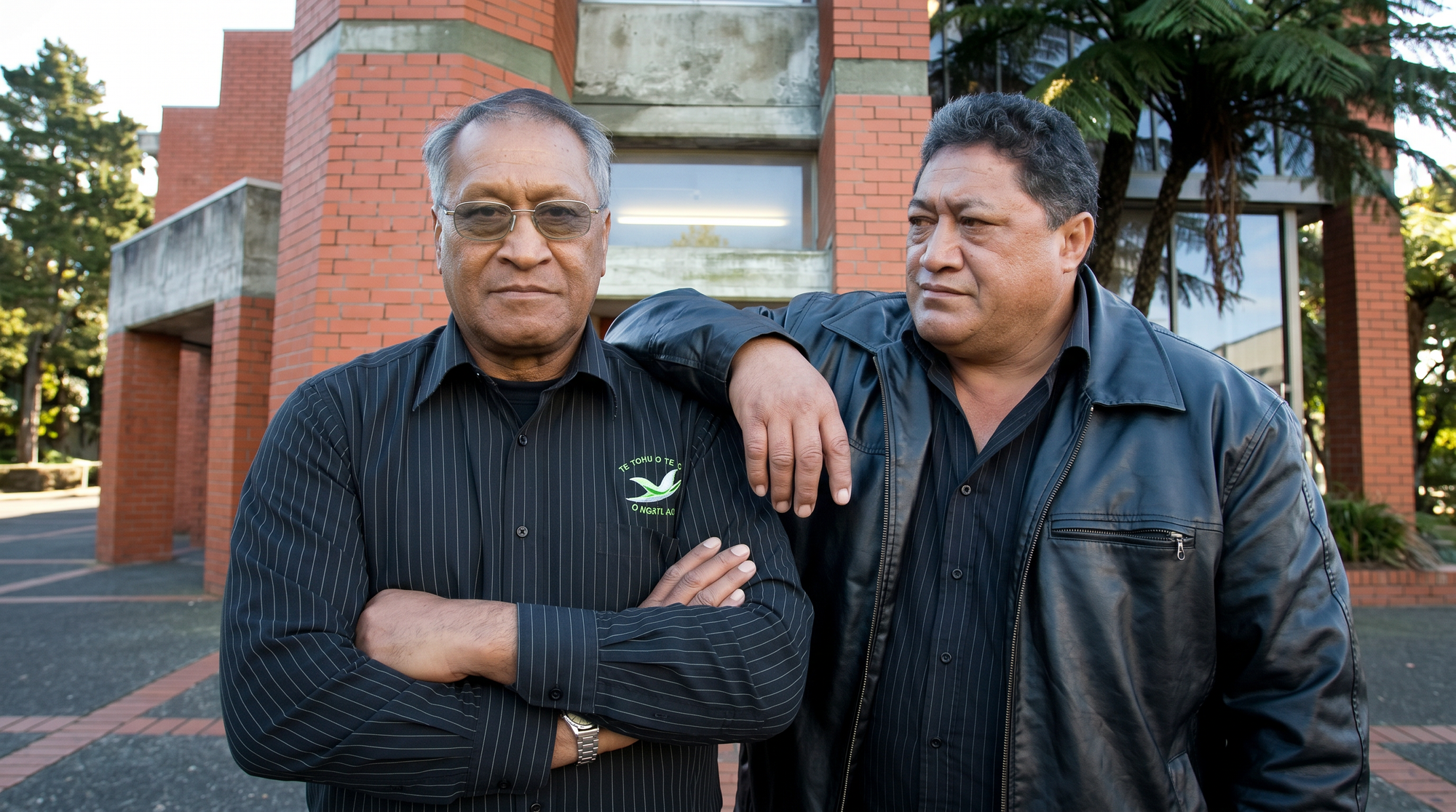
As reflected in E-Tangata, wherever Joe went, Kereama Akuhata went with him, and now Kereama stands where Joe stood.
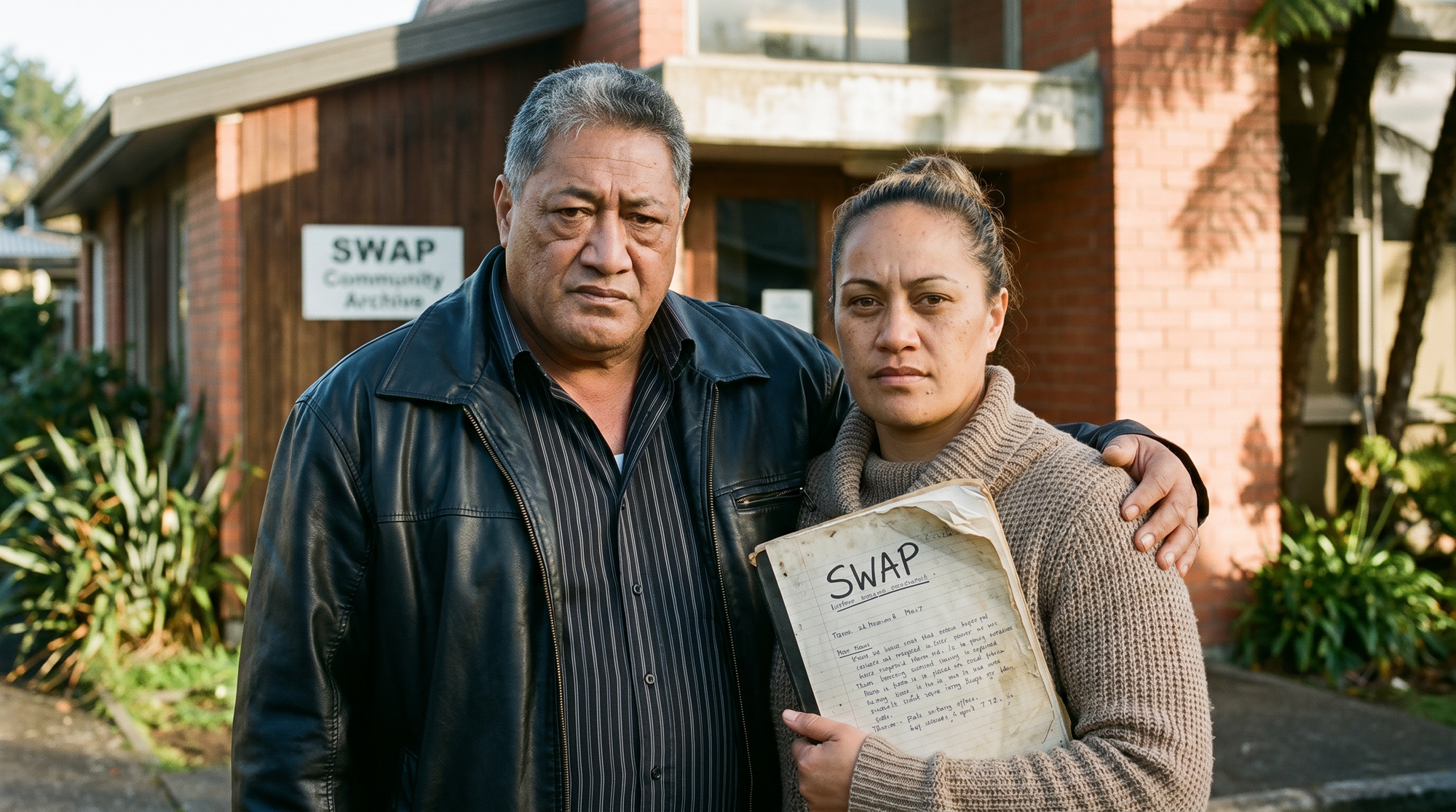
As reflected in E-Tangata, Kereama Akuhata and Marama Cook are now co-chairs of SWAP and remain focused on pressuring ACC to recognise contamination and the medical needs of SWAP whānau. As reported by Te Ao Māori News, Marama Cook said the organisation had even more members than before because the intergenerational process is real and because they want to get it right for their children and mokopuna.
There is something almost obscene about that fact. The state poisoned one generation so thoroughly that the next generation inherited both the injury and the admin. That is what Kereama’s role exposes. He is not just a successor. He is proof that the damage outlived the excuses.
And this is where the present government deserves the full weight of contempt.
A coalition that cuts Māori-led health infrastructure, weakens the institutions needed for whānau-centred care, and drapes those cuts in the language of equality is not governing fairly. It is reproducing the same white supremacist neoliberal logic that made Māori labour expendable in the first place. The costume has changed. The contempt has not.
Three Examples for the Western Mind
1. The Burning Building and the Delayed Fire Engine
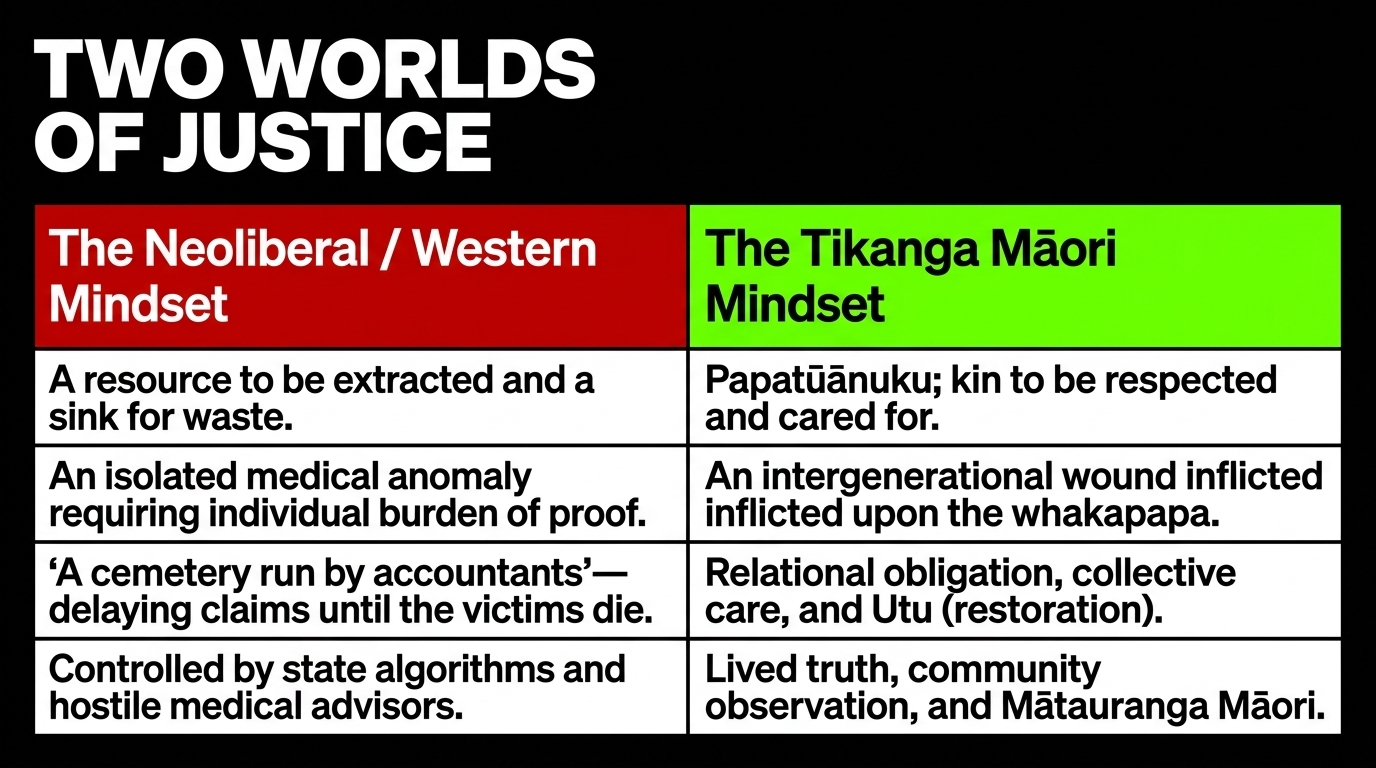
Imagine a city where firefighters knowingly enter a toxic inferno for years without proper protection, then spend decades begging the state to recognise their cancers, heart disease, and damaged children. The public would call that scandal, not complexity. As recorded by Te Ara, Joe spent years fighting ACC exclusions around PCP, dioxins, and furans, while E-Tangata reports that specialist care remained out of financial reach for many whānau.
Tikanga impact for the western mind: In tikanga, the obligation to protect life is relational, not transactional. When the state knowingly sends workers into harm and then argues about the invoice for healing, it is not merely failing policy. It is violating manaakitanga and utu at the same time.
Quantified harm: As noted in MAI Journal, by 2009 around 12 to 18 poisoned workers were dying each year. That is not a legacy issue. That is a rolling casualty list.
Solution: Full ACC recognition of PCP, dioxins, and furans; automatic presumptive cover for exposed workers and whānau; and a specialist toxic exposure service funded nationally but governed with Māori leadership.
2. The Cemetery Run by Accountants
Imagine a cemetery where every gravestone also carries a claim number, and every family must prove again and again that the death in front of them belongs in the file.
That is effectively what SWAP has confronted: an institutional culture that handles mourning like an evidentiary inconvenience.
As reported by NZ Herald, Joe Harawira died in 2017 after years of advocacy, while E-Tangata records that many of the larger group of sick men and whānau have also died.
Tikanga impact for the western mind: Tikanga treats the dead with collective responsibility and the living with collective care. A system that forces whānau to litigate their grief against a hostile bureaucracy is not administratively neutral. It is desecrating the obligations that sit between the living and the dead.
Quantified harm: The movement has already buried many of its earliest fighters, as reflected by E-Tangata, and SWAP had to renew ACC challenges after Joe’s death, as noted in the Labour History Project bulletin.
Solution: A truth-and-redress process led with mana whenua authority, including expedited settlement of historic and current claims, funded bereavement and specialist care support, and public state acknowledgement of wrongful delay.
3. The Polluted House Whose Owner Paid for the Cleanup Twice
Imagine the state allowing a landlord to poison a house, then making the tenants pay once with their bodies and again with decades of advocacy just to get the walls cleaned.
As recorded by Te Ara, SWAP and Ngāti Awa pushed the clean-up of contaminated sites including the Kopeopeo Canal, and Te Ohu Mō Papatūānuku showed by 2011 that plants and fungi could break down dioxin in sediment. The poisoned community had to help engineer the remedy for a disaster it did not create.
Tikanga impact for the western mind: In tikanga, whenua is not scenery and wai is not background. They are kin. When land and water are contaminated, the injury is relational and spiritual as well as physical. Forcing the injured people to drag the state toward remediation compounds the insult.
Quantified harm: Decades of contamination required a major collaborative response around the canal and surrounding sites, as recorded by Te Ara. The labour of restoration fell heavily on the same community that had already carried the bodily harm.
Solution: Mana whenua-led remediation with guaranteed multi-decade funding, community-controlled environmental monitoring, and legal rights for affected whānau to shape every stage of cleanup and health response.
What Must Still Be Won
The list is not mysterious. The state already knows what justice would look like. It simply does not want to pay for it.
Full ACC recognition of PCP, dioxins, and furans remains unfinished, as shown by Joe Harawira’s long fight in Te Ara and SWAP’s renewed ACC challenge noted in the Labour History Project bulletin.
Whānau-centred medical care remains necessary because, as reflected in E-Tangata, there is still no money for much of the specialist care people need.
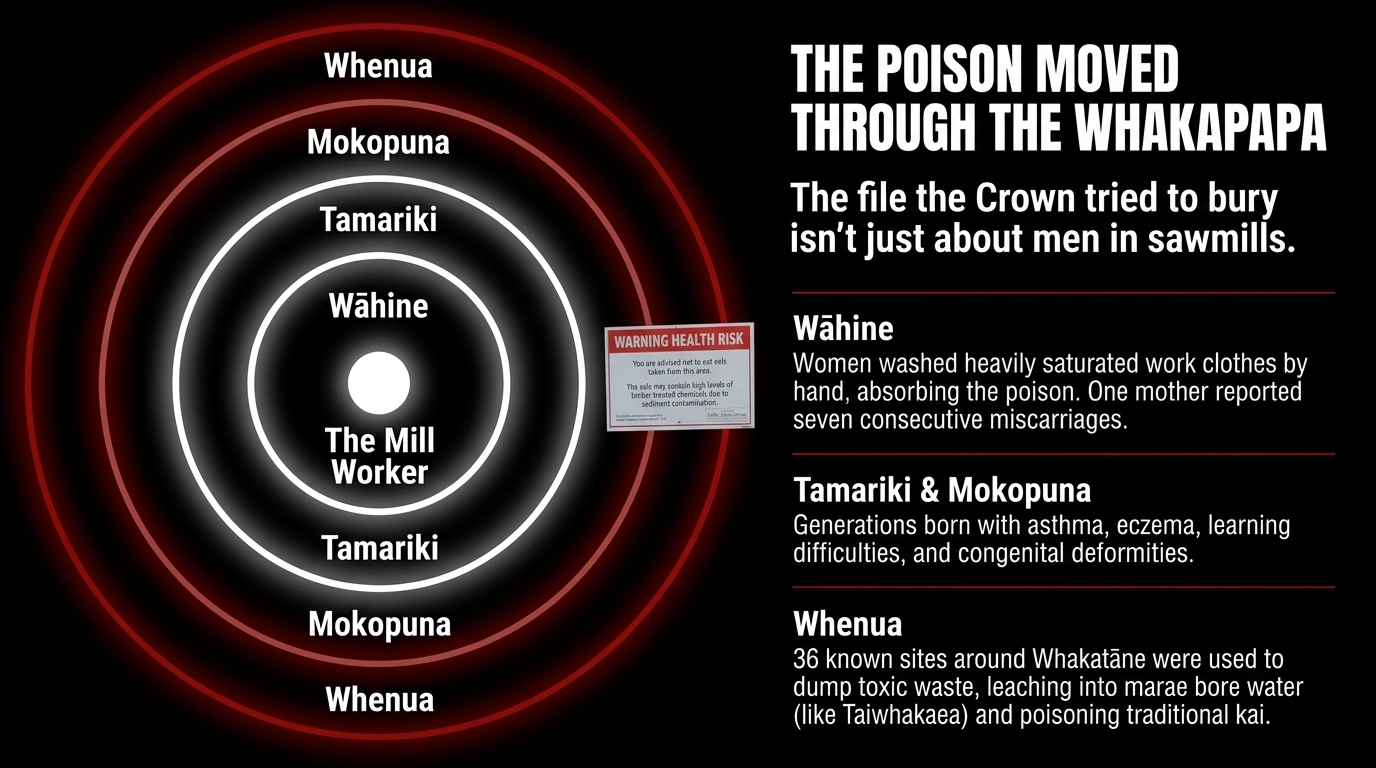
Recognition of reproductive and intergenerational harm remains necessary because the People’s Inquiry submission records children and grandchildren with learning difficulties, birth defects, and infertility.
Ongoing environmental remediation remains necessary because, as recorded by Te Ara, the poisoning entered waterways, soils, homes, and sites of significance.
For the western mind, this translation is simple: if a government licensed the poison, knew the risks, profited from the industry, then spent decades disputing who counted as injured, a small clinic and some reluctant monitoring would not be justice. It would be evidence management.
A Rangatiratanga Framework for Justice
If justice is to mean anything here, it cannot be another Crown-designed maze with Māori invited to bless the foyer.
It has to be built on rangatiratanga.
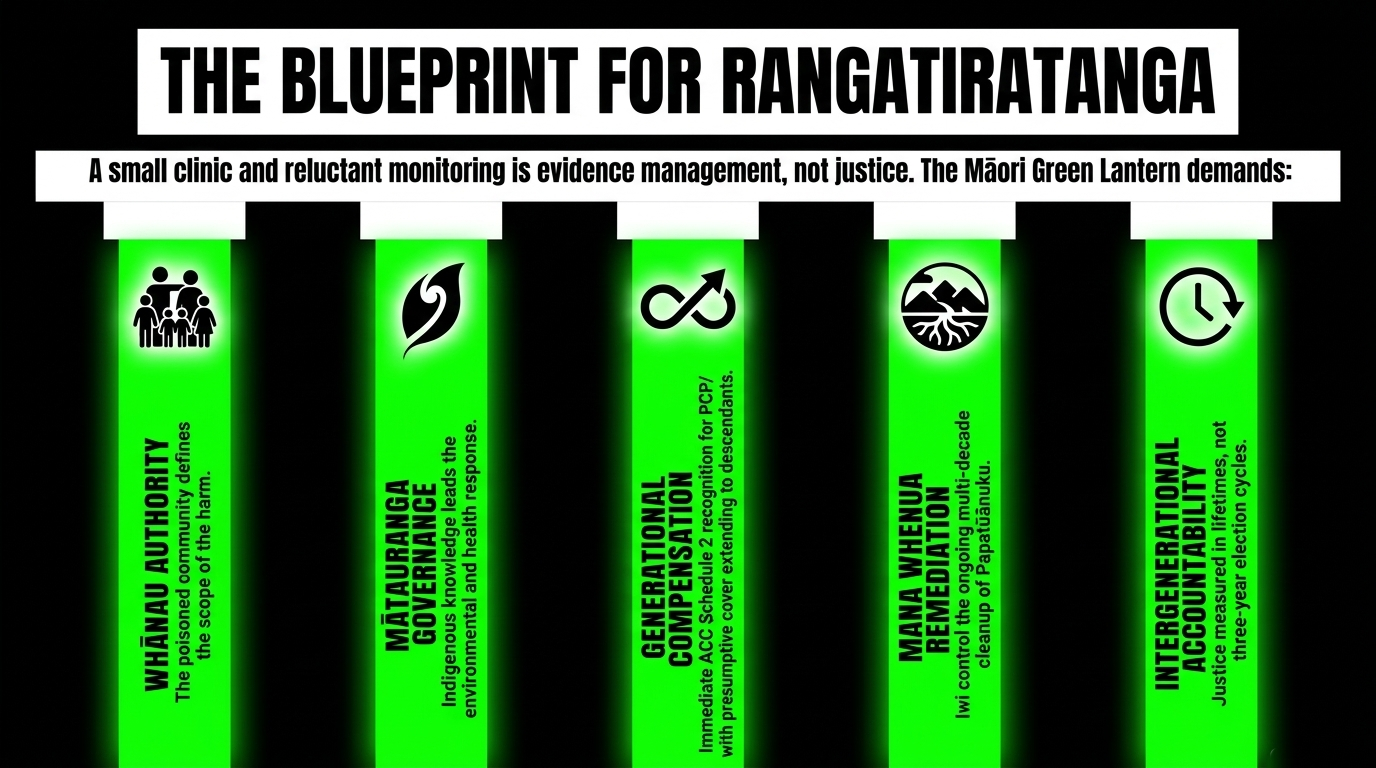
1. Whānau authority over truth
The poisoned community must define the scope of harm because the official record has repeatedly lagged behind lived reality. As shown in the People’s Inquiry submission, whānau evidence includes poisoned workers, poisoned families, contaminated whenua, and intergenerational impacts on children and grandchildren.
2. Mātauranga Māori as governing method
The environmental and health response must treat mātauranga Māori as a decision-making framework, not a decorative afterthought. As recorded by Te Ara, Joe’s approach joined the healing of people to the healing of Papatūānuku, and Te Ohu Mō Papatūānuku formally blended mātauranga Māori and science in remediation work.
3. Whānau-centred compensation
Compensation must move beyond the narrow industrial worker model and include partners, descendants, and caregivers where harm tracks through whakapapa. As reflected in E-Tangata and documented in the People’s Inquiry submission, the damage never stopped at the mill gate.
4. Mana whenua-led remediation
Cleanup of land and water must be governed with mana whenua authority because contamination is not merely technical waste management. It is injury to mauri. As recorded by Te Ara, SWAP and Ngāti Awa led work to restore polluted sites and drew national attention to the link between poisoned whenua and poisoned people.
5. Intergenerational accountability
Justice must be measured in generations, not election cycles. As reflected in E-Tangata and Te Ao Māori News, younger generations are now carrying both the injury and the advocacy.
This is the same pattern already mapped across earlier Māori Green Lantern essays. The Green Chain: How the Crown Licensed Murder names the original structure of poison and profit. Dying on the Books tracks how ACC weaponised time. The Pātaka Is Ash shows how today’s austerity burns the very support structures poisoned whānau need. The Playstation Pogrom and The Traffic Light Taiaha expose the broader punishment logic this government applies to Māori communities.
None of this sits in isolation. It is one machine with different masks.
E Joe — He Mihi Whakamutunga
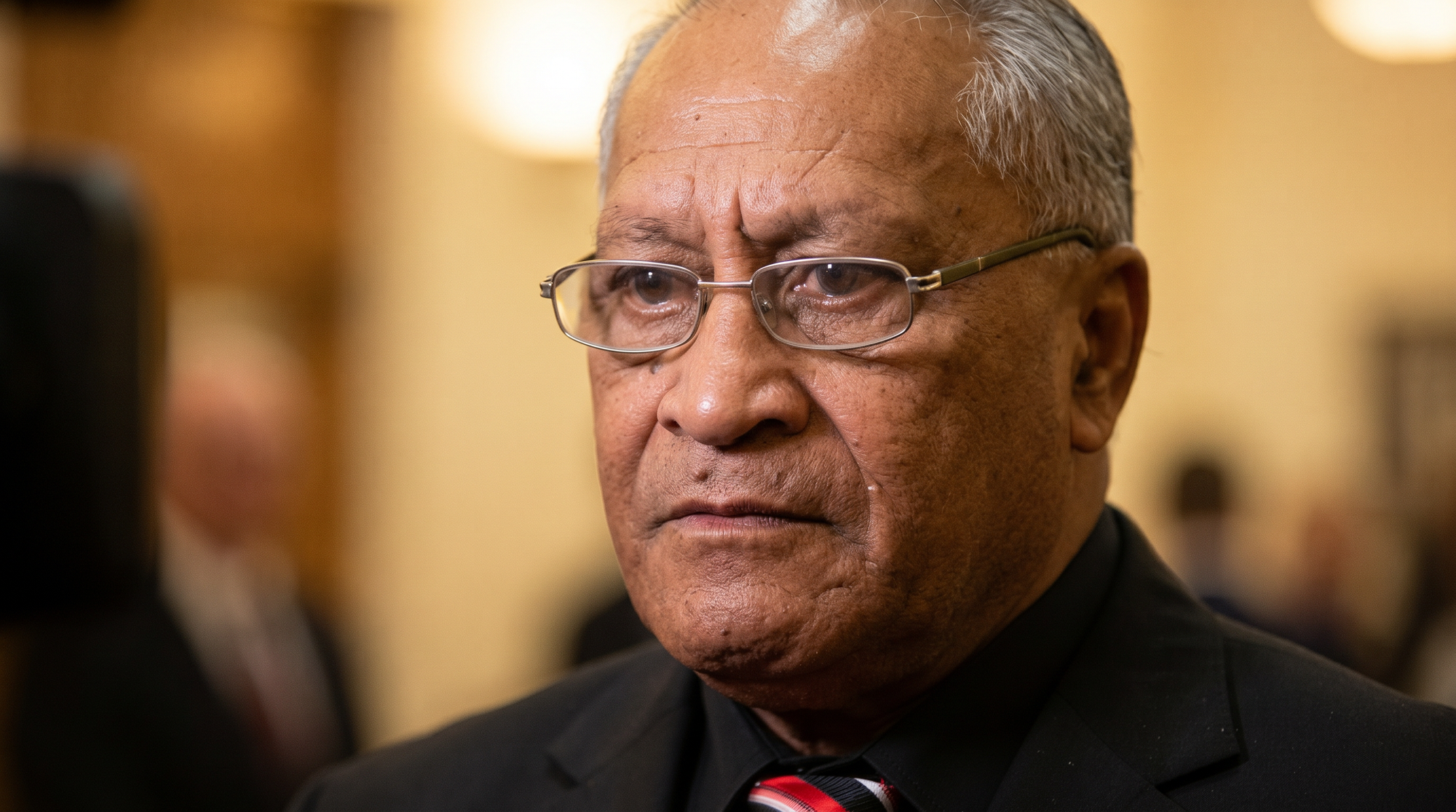
A personal farewell to Joe Harawira
E Joe.
You never waited for permission to speak the truth. You never dressed the wound in polite language so the system would feel comfortable about ignoring it. You took what the Crown gave you — a poisoned body, a disputed claim, a file full of delays — and you turned it into a movement.
That is not something they teach in universities.
That is something handed down through the blood, through the land, through the tikanga that says: when your people are harmed, you do not lower your voice. You raise it until the walls have no choice but to listen.
You were a sawmill worker. You were a researcher. You were a father, a kaitiaki, a thorn in the side of every agency that calculated your people's suffering as a budget risk rather than a moral emergency. You were all of those things at once, and you wore none of them as a costume.
The state waited for you to stop. You did not stop.
The state waited for your whānau to exhaust themselves. They did not exhaust themselves.
The state waited for time to do what denial could not. And then you died, in January 2017, and I imagine the men in the offices thought the file might finally rest.
It did not rest.
You handed it forward. You handed it to Kereama, who had walked beside you. You handed it to every whānau member still fighting an ACC dispute, still sitting in a waiting room, still burying someone far too young.
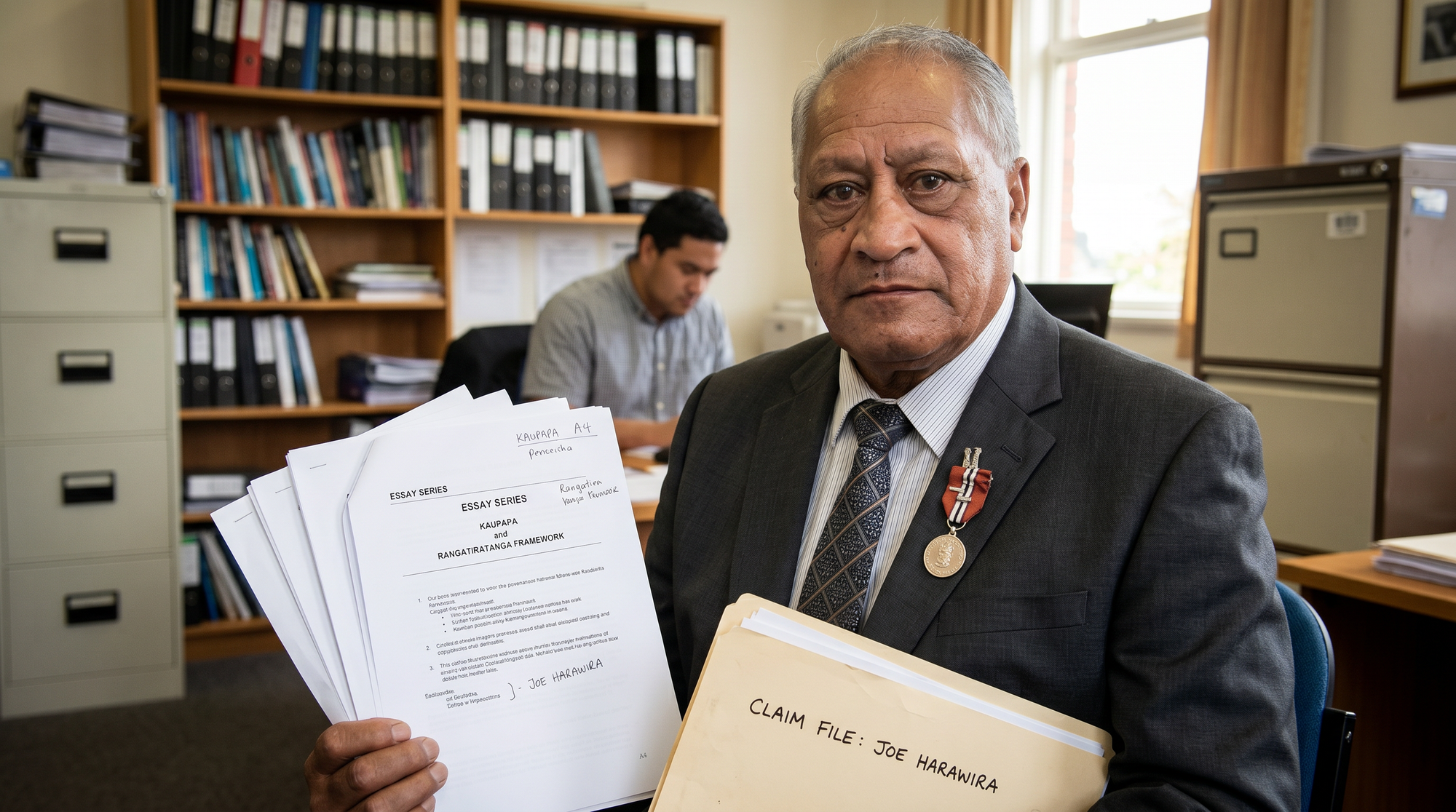
That is the thing about a man who builds a movement on truth rather than convenience: the movement does not require him to stay alive.
The truth remains. The harm remains. The obligation remains.
E Joe, e te rangatira — the essay series bearing your kaupapa is complete. Your wairua is in every paragraph. Your strategy is in the rangatiratanga framework. Your refusal is in the title. Your love for Papatūānuku is in every section that insists healing the whenua and healing the people are the same act.
Moe mai rā, e te toa. You earned every moment of rest.
But know this: the file is still open. And it is in good hands.
Ki a Kereama, ki a Marama, ki ngā mema katoa o SWAP
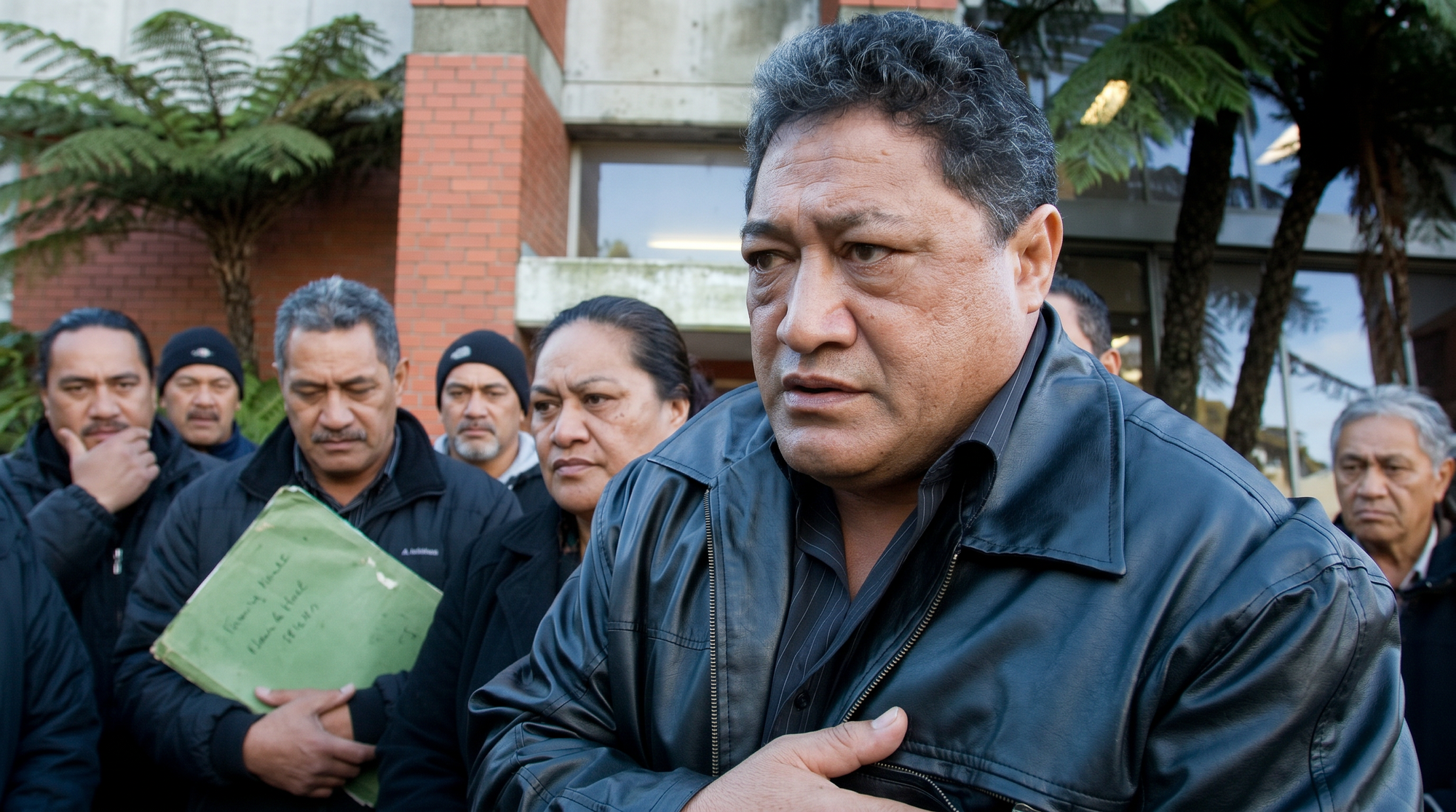
Kia kaha Kereama.
You stood beside Joe for years. You carried the same knowledge, the same grief, the same stubbornness that a poisoned community needs in a leader. And when the phone rang after January 2017 — when the men with the files expected silence
— you answered.
That is not a small thing. That is everything.
You are standing in a place the Crown designed to be exhausting. The ACC architecture was built to outlast you. The legal exclusions were drawn to outlast you. The delay was calculated to outlast you. The government that now cuts Māori health while your whānau still carry chemical damage in their bodies
— they are counting on outlasting you too.
They have not counted correctly.
To you, Kereama — kia kaha.
Not the polite kind of kia kaha that people say when they mean "good luck."
The kind that means: your strength is witnessed. Your endurance is recorded. Your mahi is being carried beyond this community, beyond this generation, beyond the reach of the administrators who thought a forty-year poisoning would eventually become someone else's responsibility.
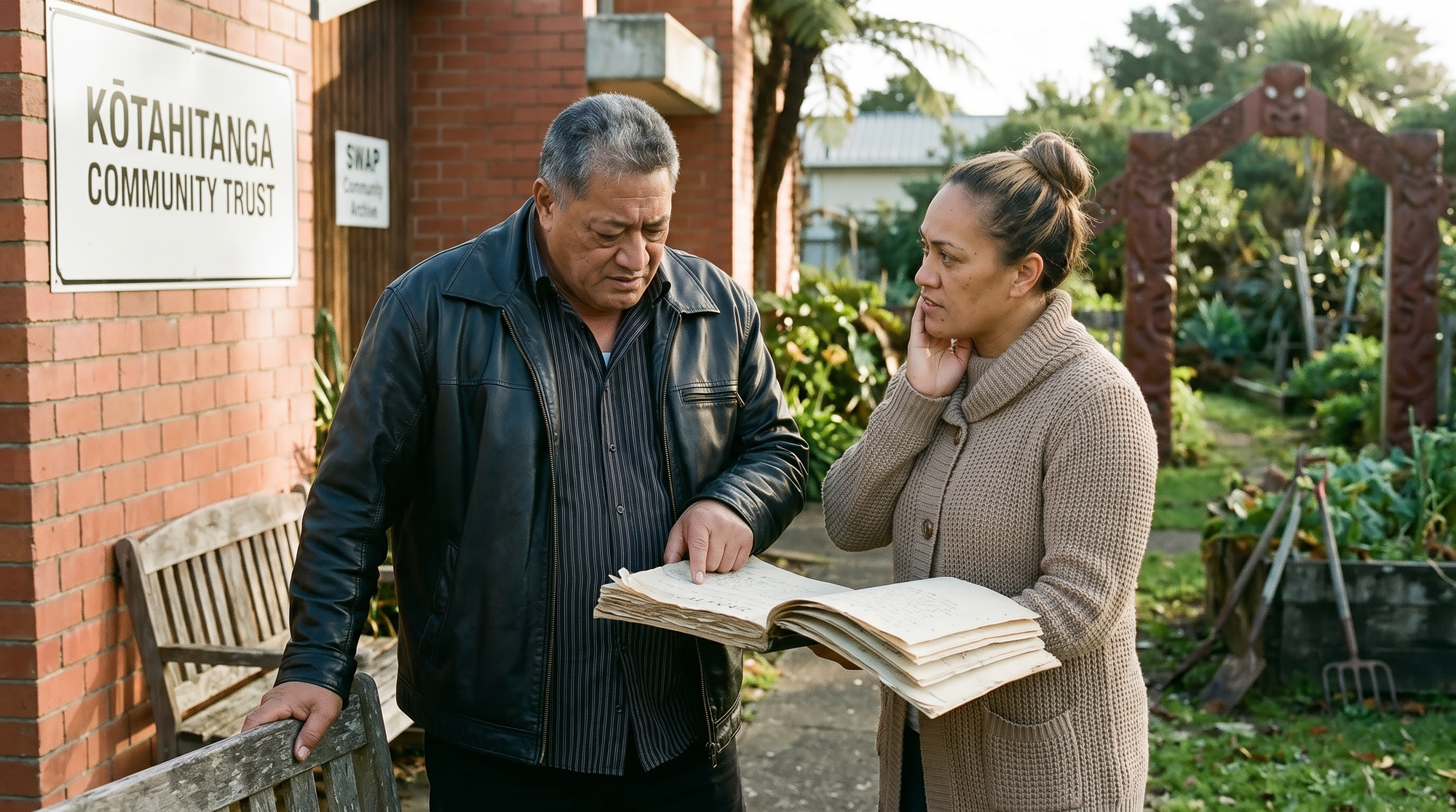
To Marama Cook — you are the living proof that this harm is intergenerational, and you are the living proof that the response to intergenerational harm can also be intergenerational. The fact that you had to pick up this file is an indictment of the state.
The fact that you did pick it up is a statement about who Māori people are when the institutions fail us: we do not wait for rescuers. We become the rescuers.
To every member of SWAP — tūhono ana, tū tika ana.
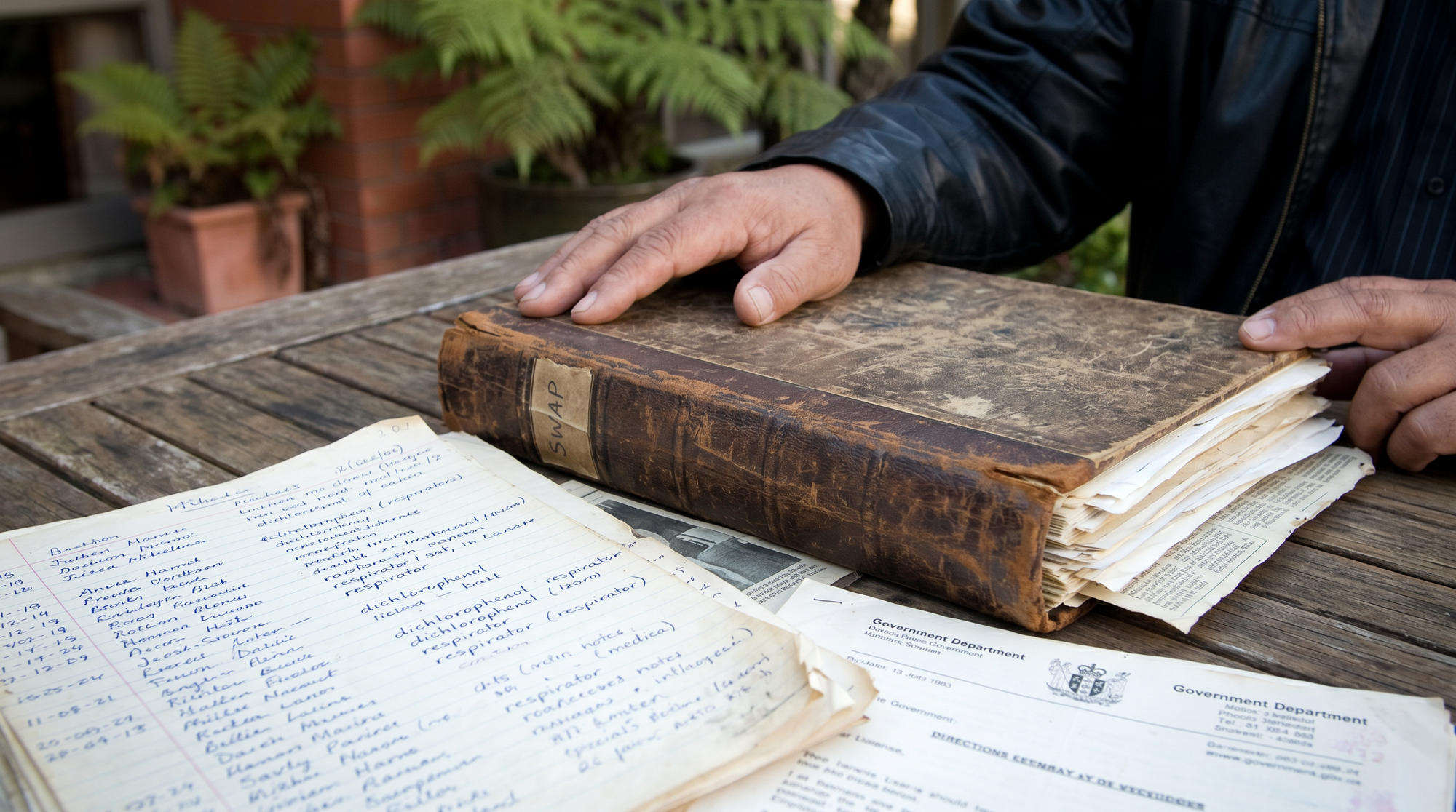
You were lied to by the companies. You were delayed by ACC. You were designed out of the compensation framework by a law that managed to look at your cancers and call them ambiguous. You buried people the system never properly counted. And you are still here.
That is not nothing. That is everything.
The state has a very long memory for its own interests and a very short memory for its obligations. The Māori Green Lantern exists, in part, because memory must be held somewhere outside the institutions that benefit from forgetting.
This series — The Green Chain — is that memory, written down, sourced, argued, and sharpened. It will be here when the lawyers need it. It will be here when the next generation asks what happened. It will be here when the official record tries to soften the edges of what was done.
Joe built the house. You are keeping the lights on.
E ngā mema o SWAP — kia kaha. Kia māia. Kia manawanui.
Ka whawhai tonu mātou.
Ake. Ake. Ake.
He Whakakapi — They Do Not Get to Write the Ending
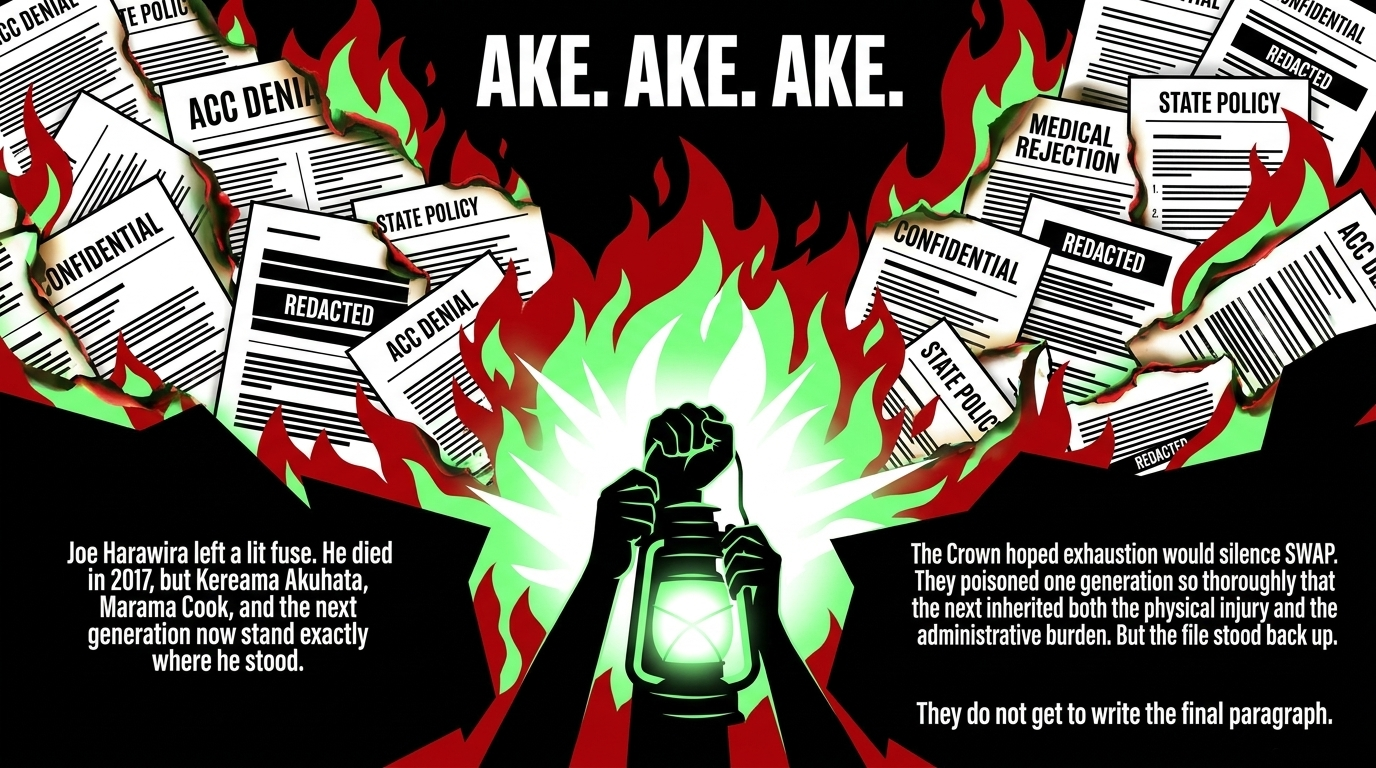
Joe Harawira did not leave behind a closed chapter. He left a lit fuse.
As recorded by Te Ara, Joe believed that if Papatūānuku could not heal, the people could not heal either. As reflected in E-Tangata, Kereama Akuhata now stands where Joe stood, with Marama Cook and the next generation beside him.
What was won: the lie was broken, the poison was named, the cleanup began, the movement survived, and Māori knowledge proved more honest than the state’s evasions.
What was lost: workers, whānau, years, health, certainty, and lives that should have stretched much further. What must still be won: full compensation, full recognition, intergenerational medical care, mana whenua control of remediation, and a legal structure built on rangatiratanga rather than Crown convenience.
Ka whawhai tonu does not mean fighting forever because Māori enjoy struggle. It means fighting because the alternative is to let the men who dipped the timber in poison, the agencies that defended delay, and the governments that still starve Māori institutions write the final paragraph.
They do not get to write the ending.
Ake. Ake. Ake.
Tautoko Mai | Support This Mahi
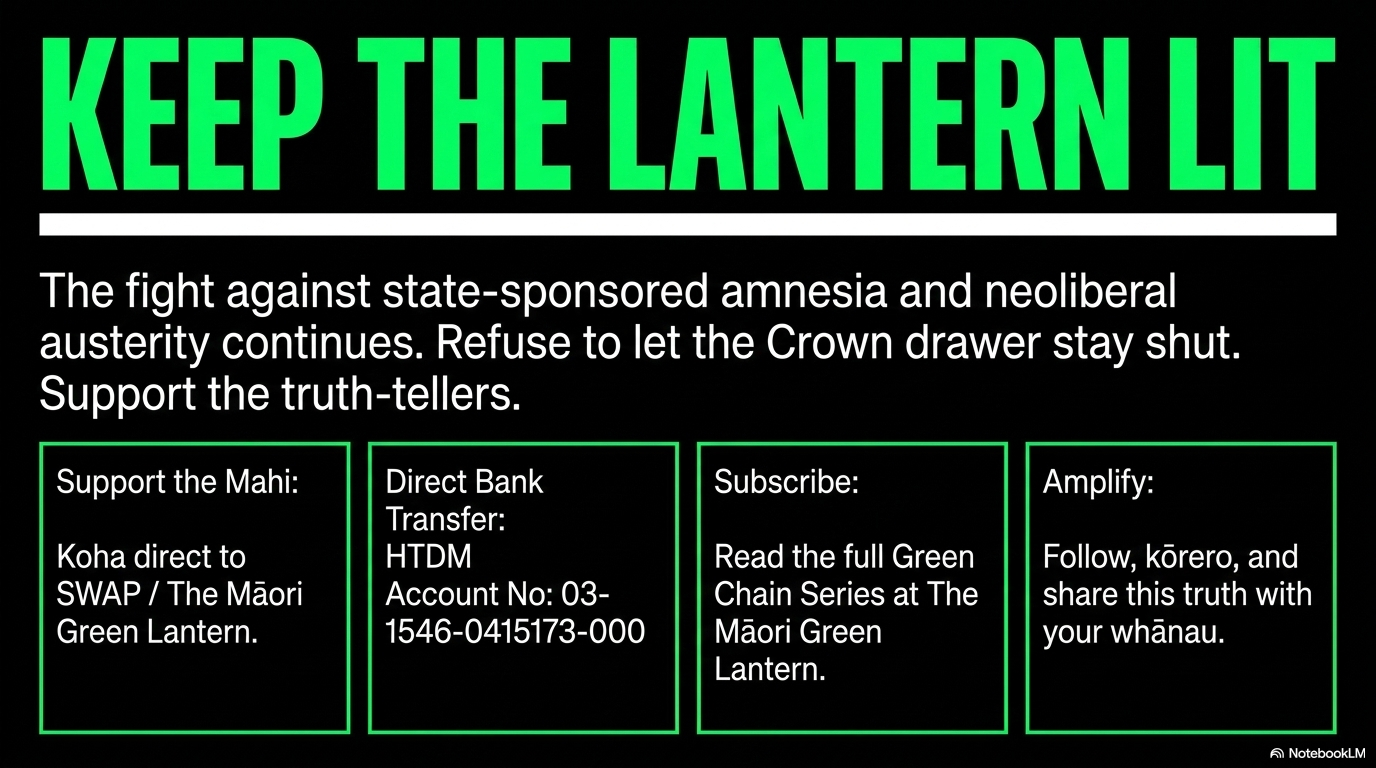
Every koha for this essay says something specific: that the file Joe Harawira carried and Kereama Akuhata still carries will not be left to rot in a Crown drawer while poisoned whānau continue to beg for recognition, treatment, and justice.
It says rangatiratanga includes funding our own truth tellers when Crown and corporate structures would rather wait for the funerals than pay for the remedy. If koha is not possible right now, subscribe, follow, kōrero, and share this essay with your whānau and friends at The Māori Green Lantern. That is koha too.
Four pathways exist:
- Koha direct: Support the Māori Green Lantern
- Subscribe for essays: Subscribe to the Māori Green Lantern
- Direct bank transfer: HTDM, account number 03-1546-0415173-000
- Facebook: Follow and subscribe on Facebook