"THE GREAT REBALANCING — CORRECTED AND CONFIRMED: The Numbers Changed. The Moral Case Did Not." - 23 June 2026
A typo in a spreadsheet gave the enemies of fairness a one-day headline. The corrected $5.147 billion plan still represents the most significant act of economic justice put before New Zealand voters in a generation. Let us not confuse an amateur mistake with an unworthy mission.

He Kōrero Tuatahi | Let Us Be Straight About Both Things
Ko Ivor Jones tōku ingoa. Ko The Māori Green Lantern tōku mahi.
I am going to do two things in this essay that the mainstream media rarely does together: name a mistake clearly, and then refuse to let that mistake become a weapon against the people that this policy is designed to protect.
 RNZ | Te Reo Irirangi o Aotearoa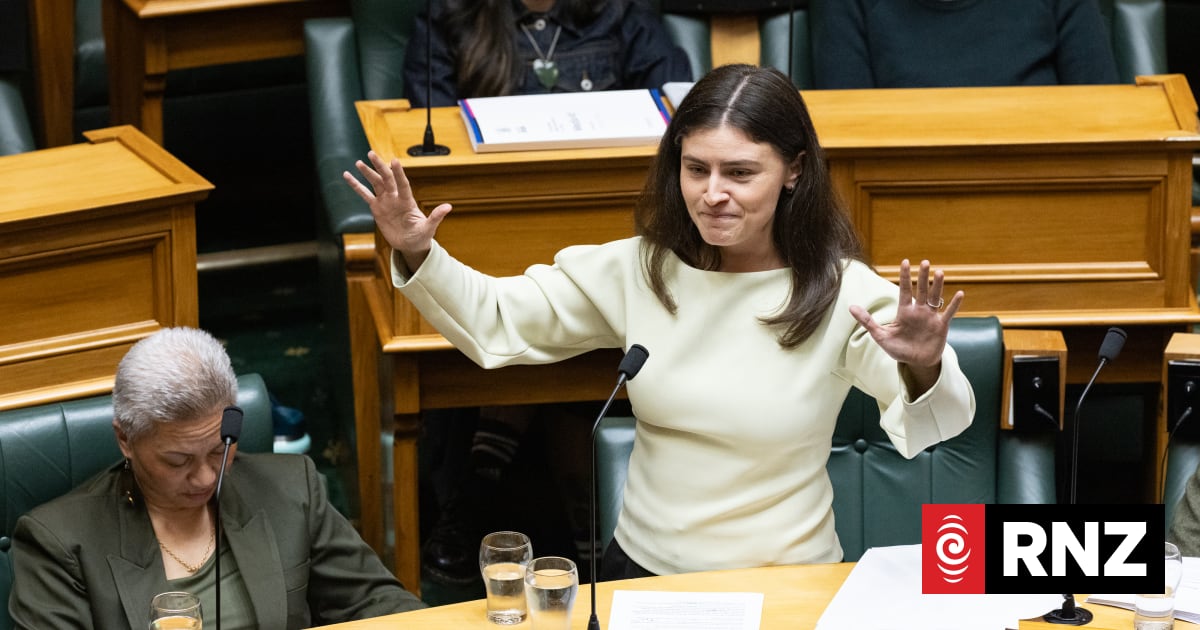
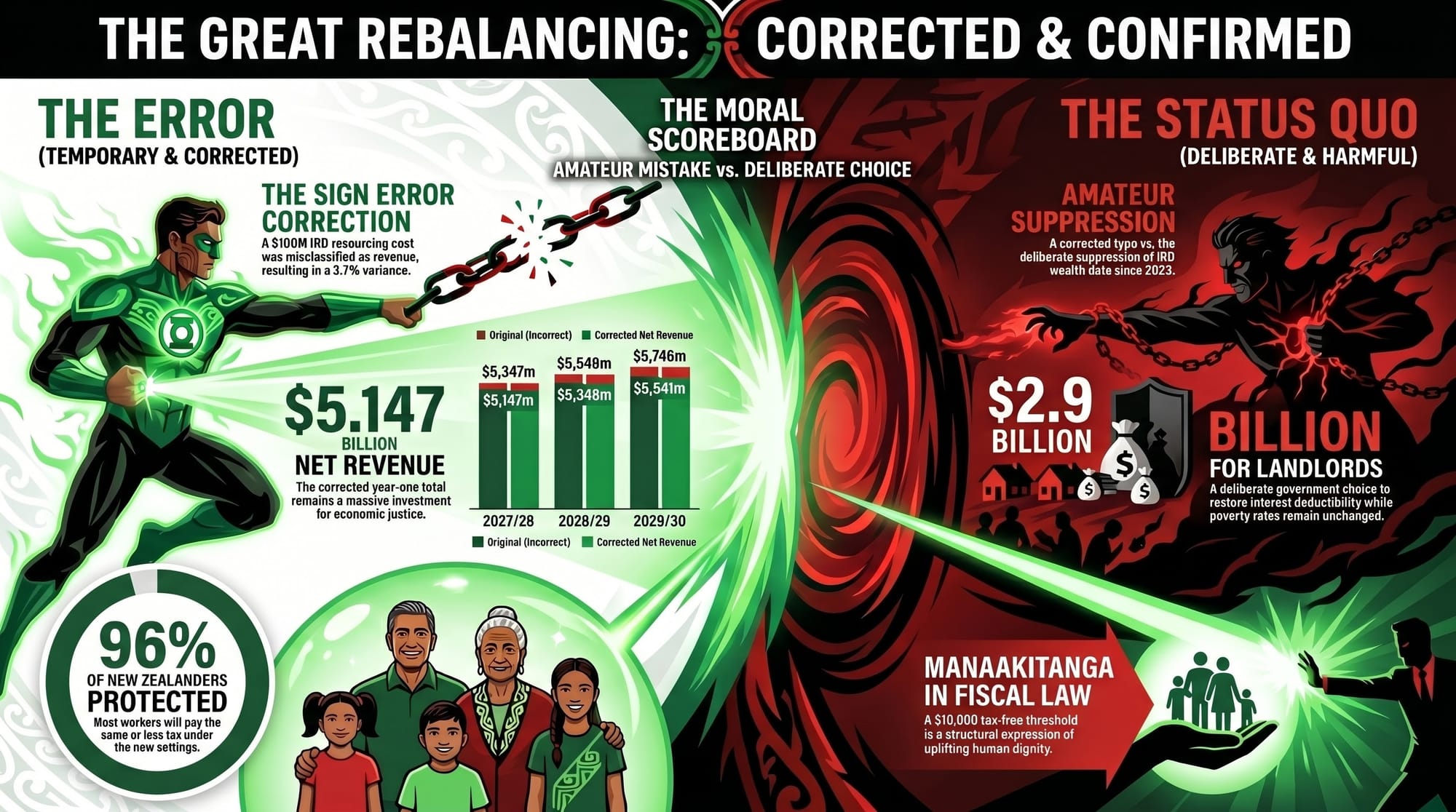
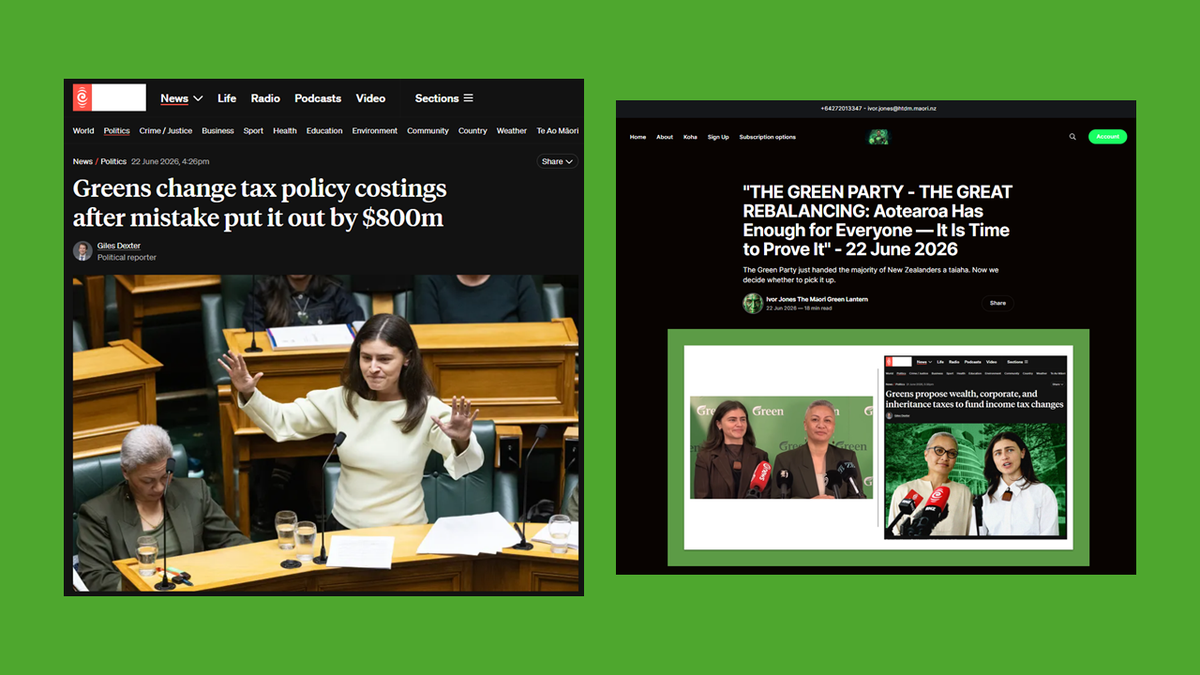
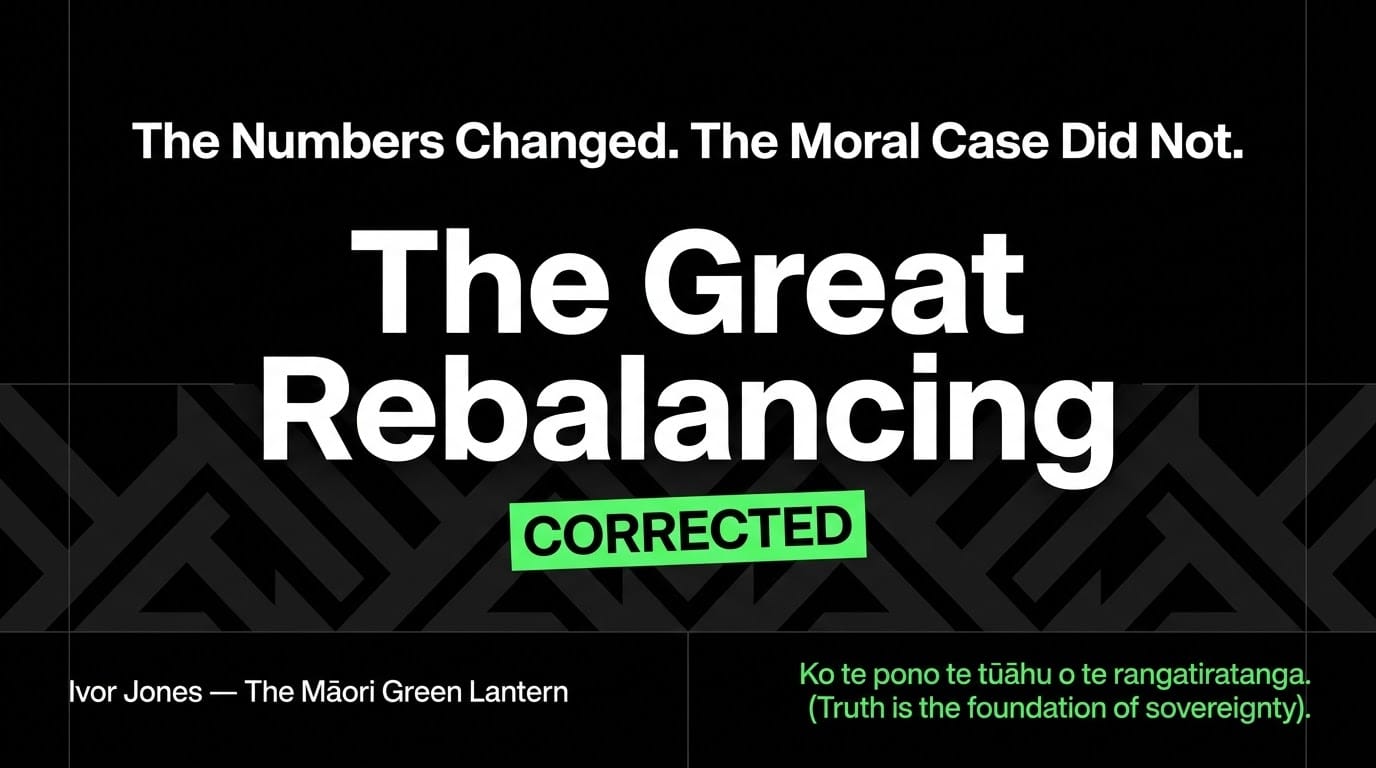
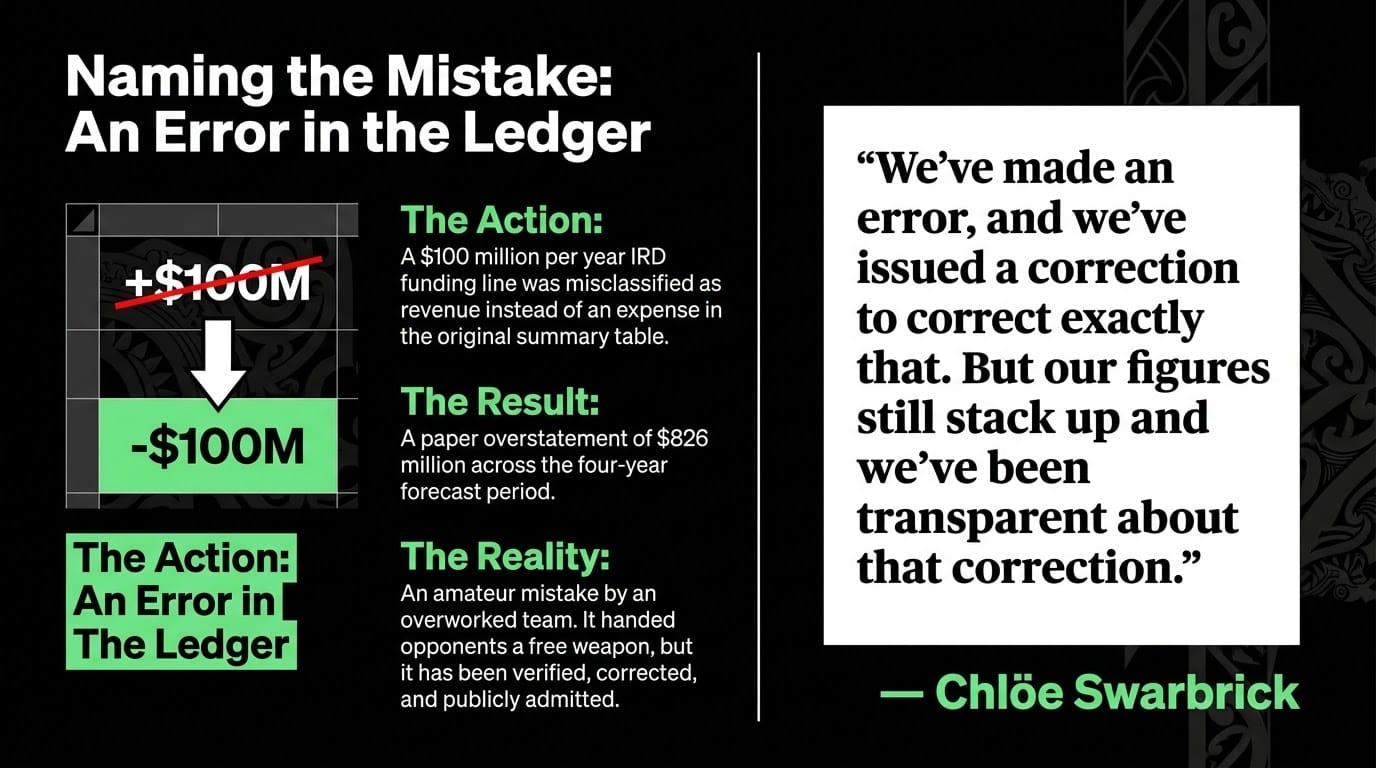
On 20 June 2026, the Green Party released a tax policy document that contained an error. The $100 million per year they had budgeted to properly resource Inland Revenue — a cost, an expense — was misclassified in the summary table as a revenue line. That sign error overstated the net revenue total by approximately $200 million per year across the four-year forecast period. The total overstatement, as reported by RNZ journalist Giles Dexter on 22 June 2026, came to $826 million across four years.
That is an amateur mistake. It handed opponents a single day of legitimate ammunition. It should not have happened — especially in a flagship policy announcement from a party asking Aotearoa to trust it with the country's fiscal architecture.
 Ivor Jones The Māori Green Lantern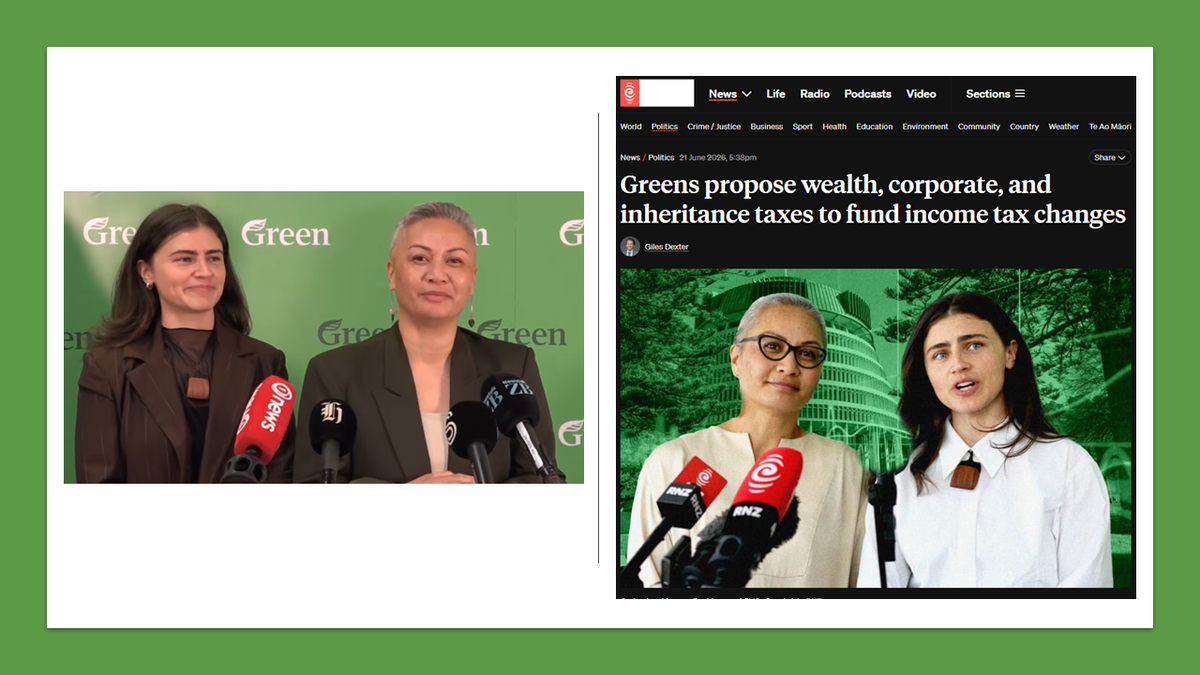
It has been corrected. Co-leader Chlöe Swarbrick admitted it on air the same day:
"This is what happens when you have a large team, moving at pace. You've got designers who are producing collateral which is going out. We've made an error, and we've issued a correction to correct exactly that. But our figures still stack up and we've been transparent about that correction."
Now let us talk about what the corrected figures actually say — and what this government has done for three years that nobody is screaming about.
The Deep Dive Podcast
🎧 Listen to a lively conversation between two hosts, unpacking and connecting every source and implication in this essay — the error, the correction, the context, and what it all means for whānau.
I apologise in advance for the AI's very harsh pronunciation of te reo Māori. Please don't shoot me! 😅 The analysis is the point.
YouTube Video
▶️ Prefer video? Here is a short video supporting this essay — covering the error, the corrected figures, and the wider context of what this government has actually done.
Same AI pronunciation disclaimer applies. Please don't shoot the messenger! 😅
The Correction: What Changed, What Did Not
What Changed
Per the corrected Green Party policy document and confirmed by RNZ's reporting, the corrected net revenue figures are:
| Year | Original (incorrect) | Corrected |
|---|---|---|
| 2027/28 | $5,347m | $5,147m |
| 2028/29 | $5,549m | $5,348m |
| 2029/30 | $5,746m | $5,541m |
| 2030/31 | $5,937m | $5,725m |
The figure cited in my earlier essay — $5.35 billion in 2027/28 — was drawn from the uncorrected document. The correct figure is $5.147 billion. I am correcting my record here, explicitly, because pono demands no less.
What Did Not Change
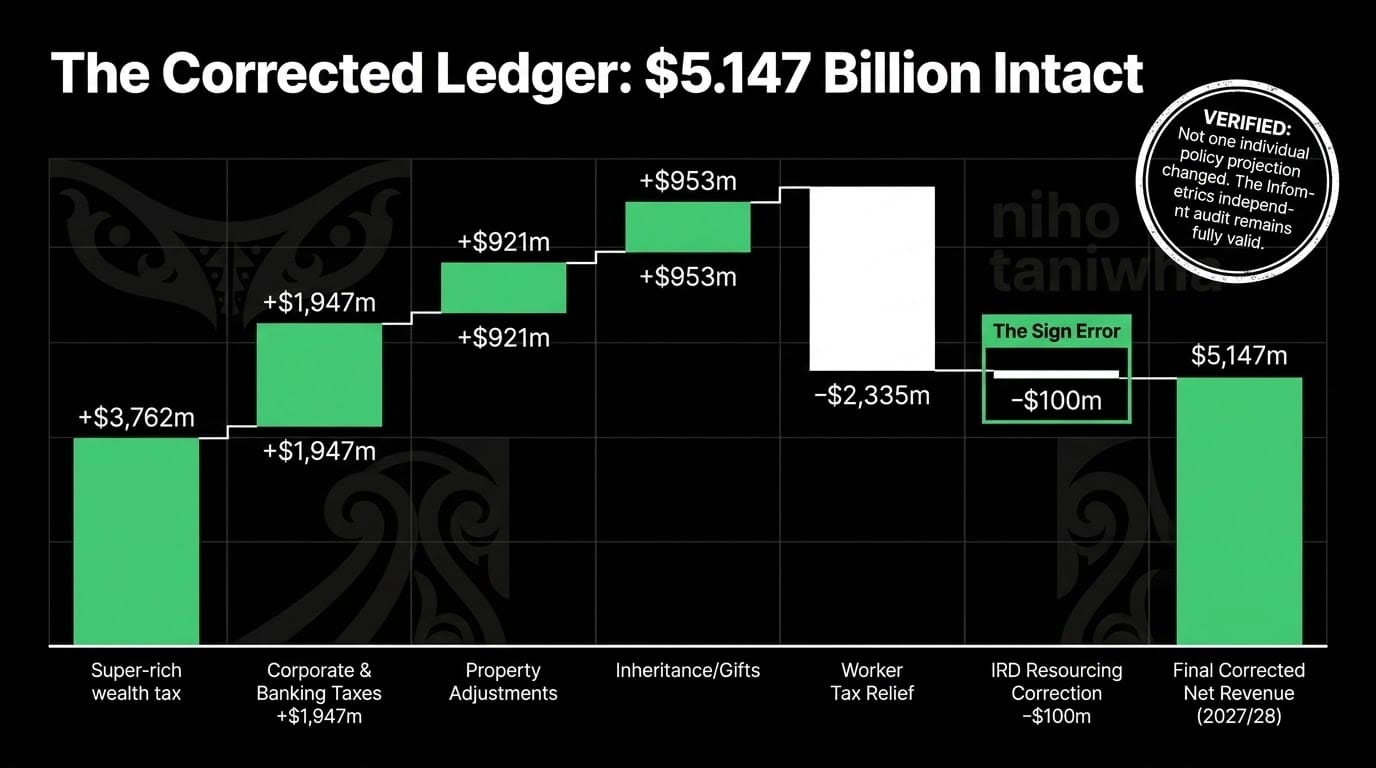
Not one individual policy revenue projection changed. The following figures, drawn from the corrected document, are intact:
| Policy Component | 2027/28 Revenue |
|---|---|
| Super-rich wealth tax (2.5% on net assets above $10M) | $3,762m |
| Capital Acquisitions Tax (33% on inheritance/gifts over $1M) | $953m |
| Big corporations tax (33% rate on turnover above $30M) | $1,370m |
| Major banks levy | $373m |
| Big tech withholding tax (5% on offshore profit transfers) | $204m |
| Reversing bright-line test changes | $45m |
| Reversing landlord interest deductibility cuts | $876m |
| Tax setting changes (worker relief — cost) | −$2,335m |
| IRD resourcing (cost — this was the error line) | −$100m |
| Corrected net total | $5,147m |
The Infometrics independent audit — which covered individual policy projections — remains fully valid. Not one line it assessed changed. The error was in the aggregation template, not in the underlying audit work.
Naming the Problem: Why This Error Matters Beyond the Numbers
Let me be honest about the issues this mistake signals, because whānau deserve honesty.
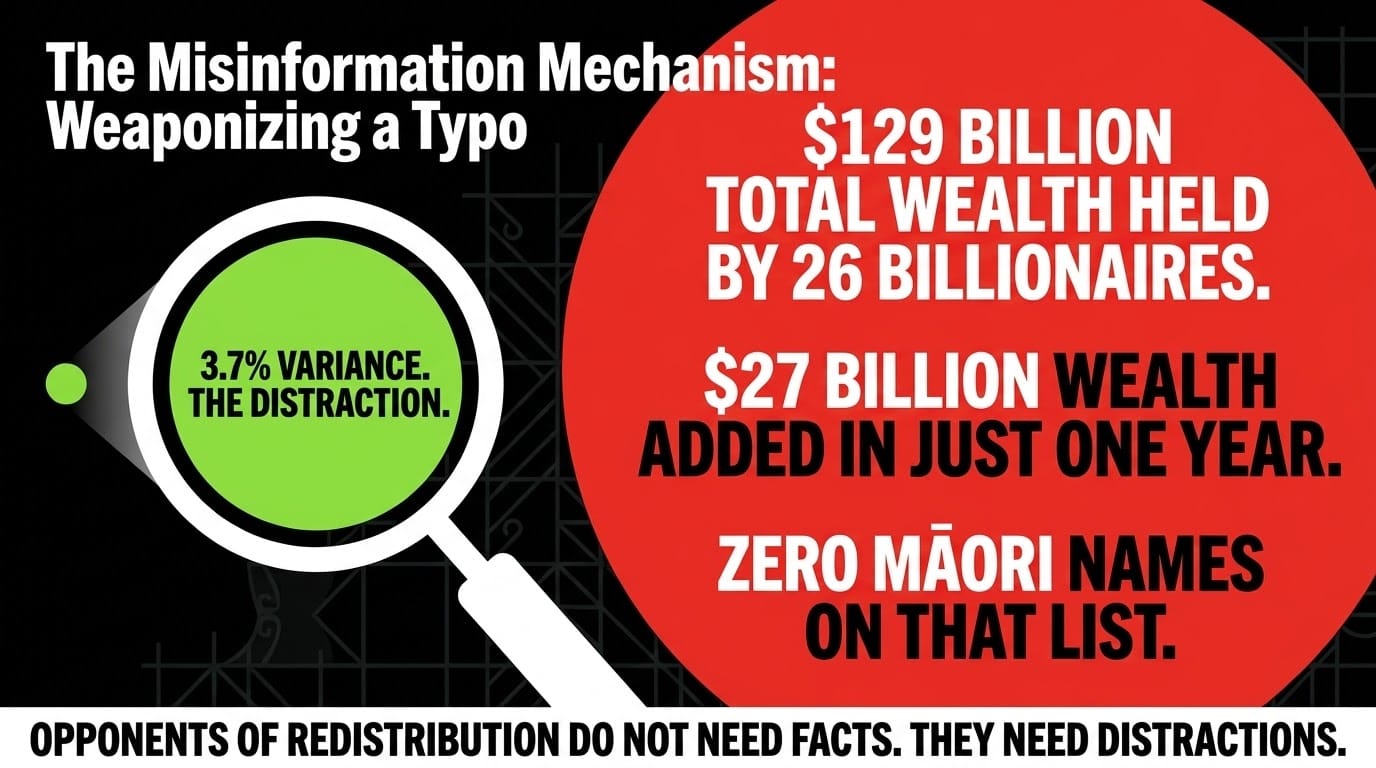
First: It hands the right a free weapon. Opponents of redistribution do not need facts — they need moments. This error became a moment. Nicola Willis, David Seymour, and the Taxpayers' Union will return to this spreadsheet at every press conference between now and the election. That is the real cost of the error — not $826 million in adjusted revenue projections, but the credibility capital expended at a moment when the policy needed to land with precision.
Second: It signals under-resourced policy infrastructure. Swarbrick's explanation — that a large team was moving at pace and designers were producing collateral — is honest and human. It is also a warning sign. A party proposing to manage $5+ billion in annual structural reform needs the operational capacity to match the ambition. Building that capacity is part of earning the mandate.
Third: "Quiet re-upload" before the press release was the wrong sequence. RNZ reported that the party re-uploaded the corrected document after RNZ made enquiries — and only then released a press release. Proactive transparency would have looked different: identify the error, issue the correction first, then notify media. The sequence mattered. It fed the "quietly corrected" narrative that critics needed.
Those are real concerns. Name them. Learn from them. Move on. Because none of them change what this policy actually does.
What $5.147 Billion Actually Buys: The Moral Case, Unchanged
Let me put the corrected figure in its proper context — not against the original document, but against the government it is designed to replace.
The Context This Government Created
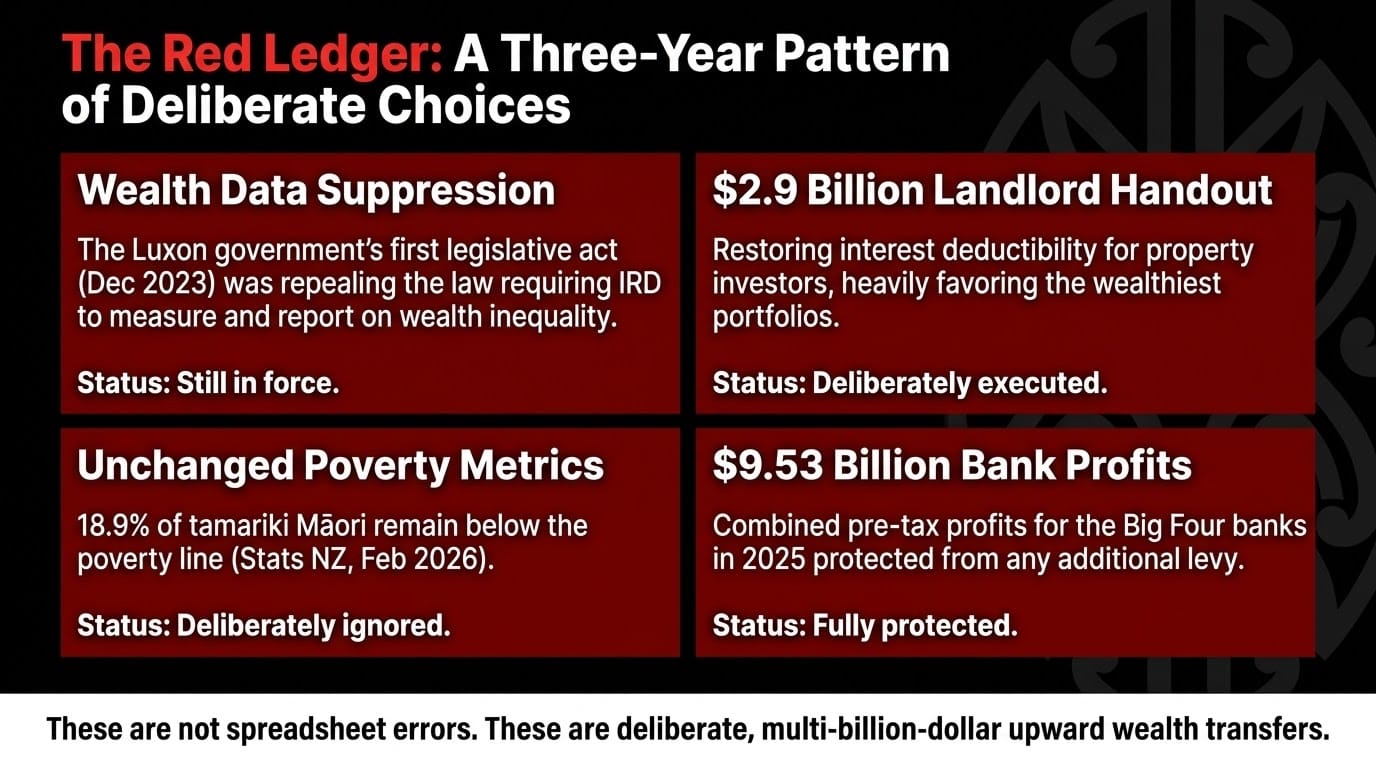
- 26 billionaires. $129 billion. $27 billion added in one year. Not one Māori name on the NBR Rich List. That is not a natural outcome. That is the compounded result of forty years of deliberate policy choices — verified.
- 18.9% of tamariki Māori below the poverty line — Stats NZ, February 2026. A figure that did not move under this government's watch.
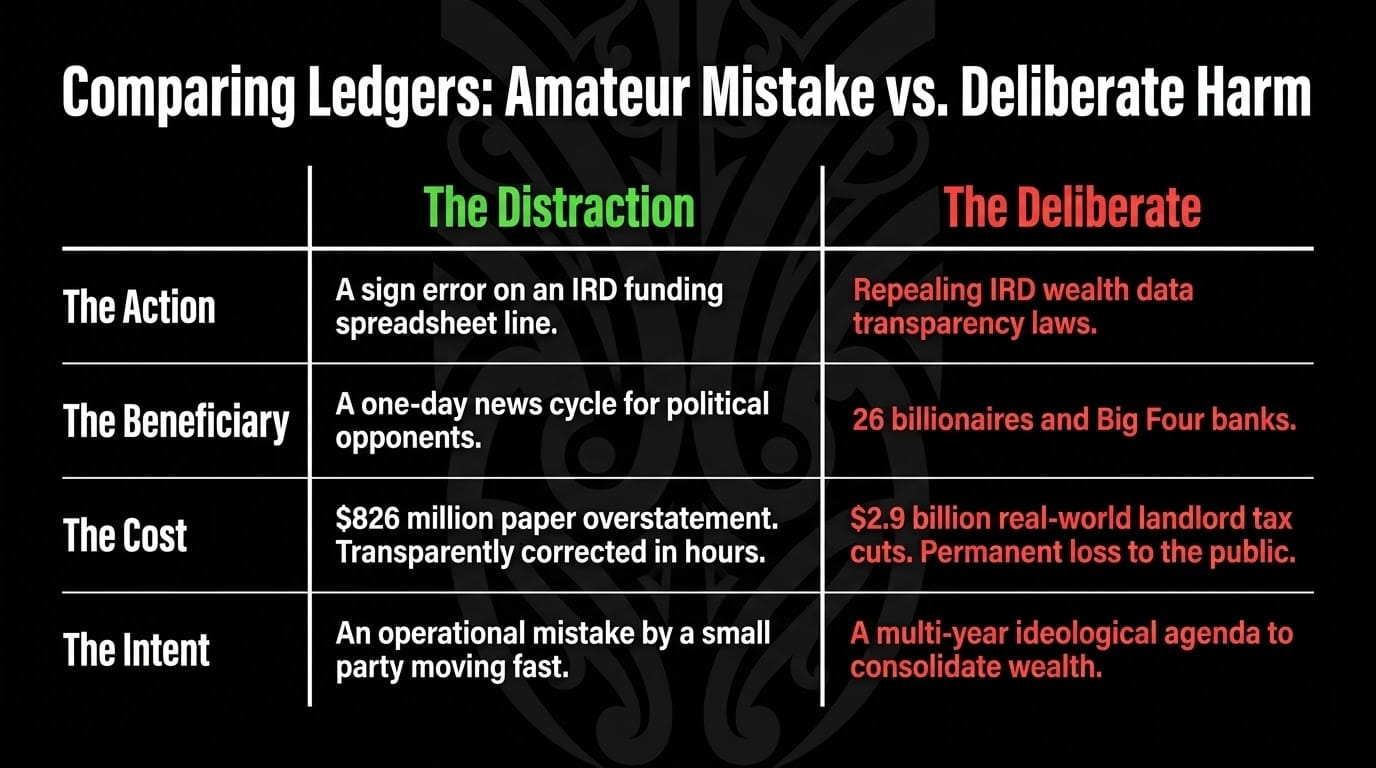
- $2.9 billion in landlord tax cuts — one of the first acts of the Luxon government, restoring interest deductibility for property investors. No error. A deliberate choice.
- IRD wealth data suppression, December 2023 — the Luxon government's first legislative act was to repeal the law requiring IRD to measure and report on wealth inequality. Not a typo. Not corrected. Still in force.
- $9.53 billion in combined pre-tax profits for the Big Four banks in 2025. Taxed at the standard rate. Not subject to a levy. Fully protected by this government's inaction.
What the Corrected $5.147 Billion Still Does
Even at the corrected figure, the Green Party's plan:
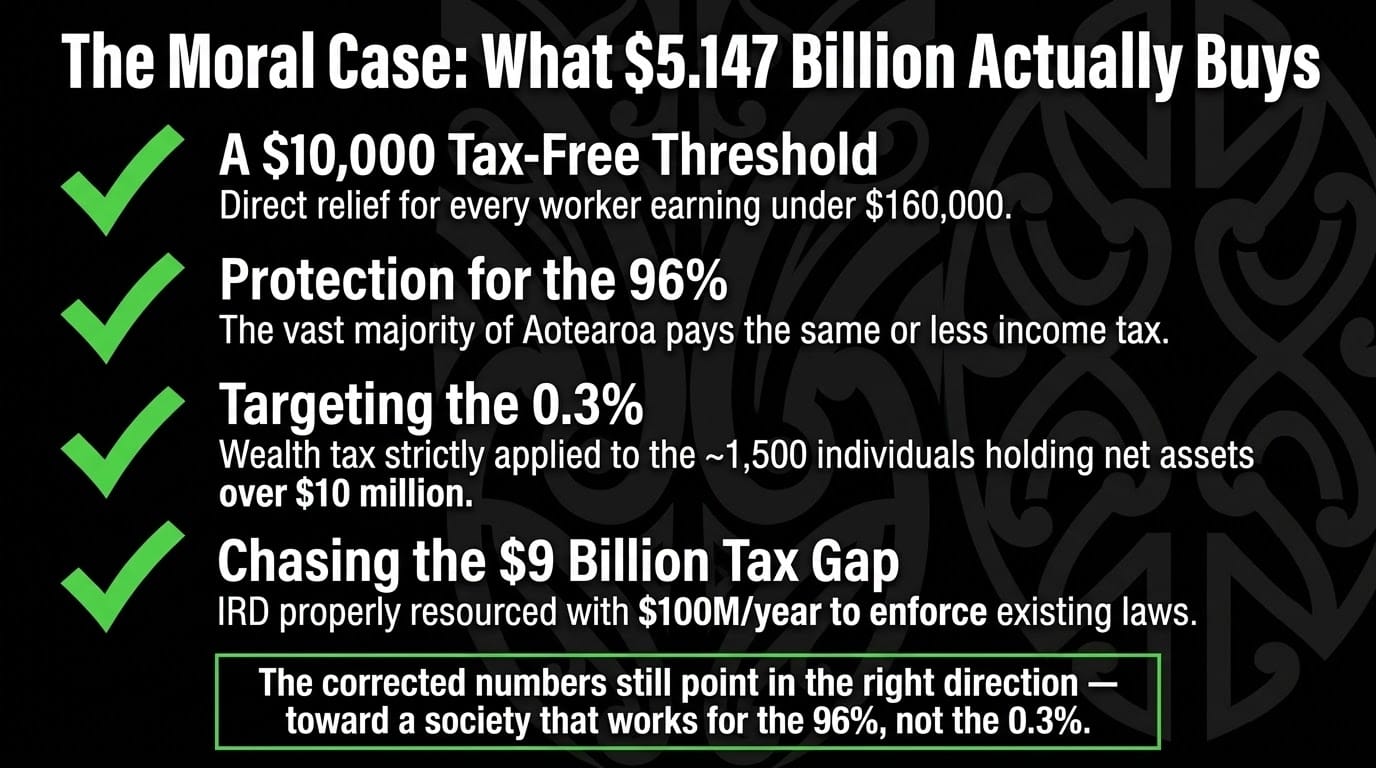
✅ Protects 96% of New Zealanders — paying the same or less income tax under the new settings
✅ Delivers a $10,000 tax-free threshold — money back in the pockets of every worker earning under $160,000
✅ Targets the wealth tax at the top 0.3% — approximately 1,500 New Zealanders above $10 million net assets
✅ Captures inheritance windfalls for approximately 1,100 people per year — not ordinary estate transfers, but concentrated wealth cascades
✅ Resources IRD with $100 million per year to chase the $9 billion tax gap — something this government explicitly chose not to do
✅ Raises $5.147 billion net in year one — independently audited per policy component by Infometrics
A 3.7% variance between the original and corrected total net revenue figures is within every Treasury forecast tolerance in the history of this country. The error was real. Its scale, in context, was not catastrophic.
Three Examples for the Western Mind — Updated With Corrected Figures
Example One: Hemi the Taxi Driver, Rotorua
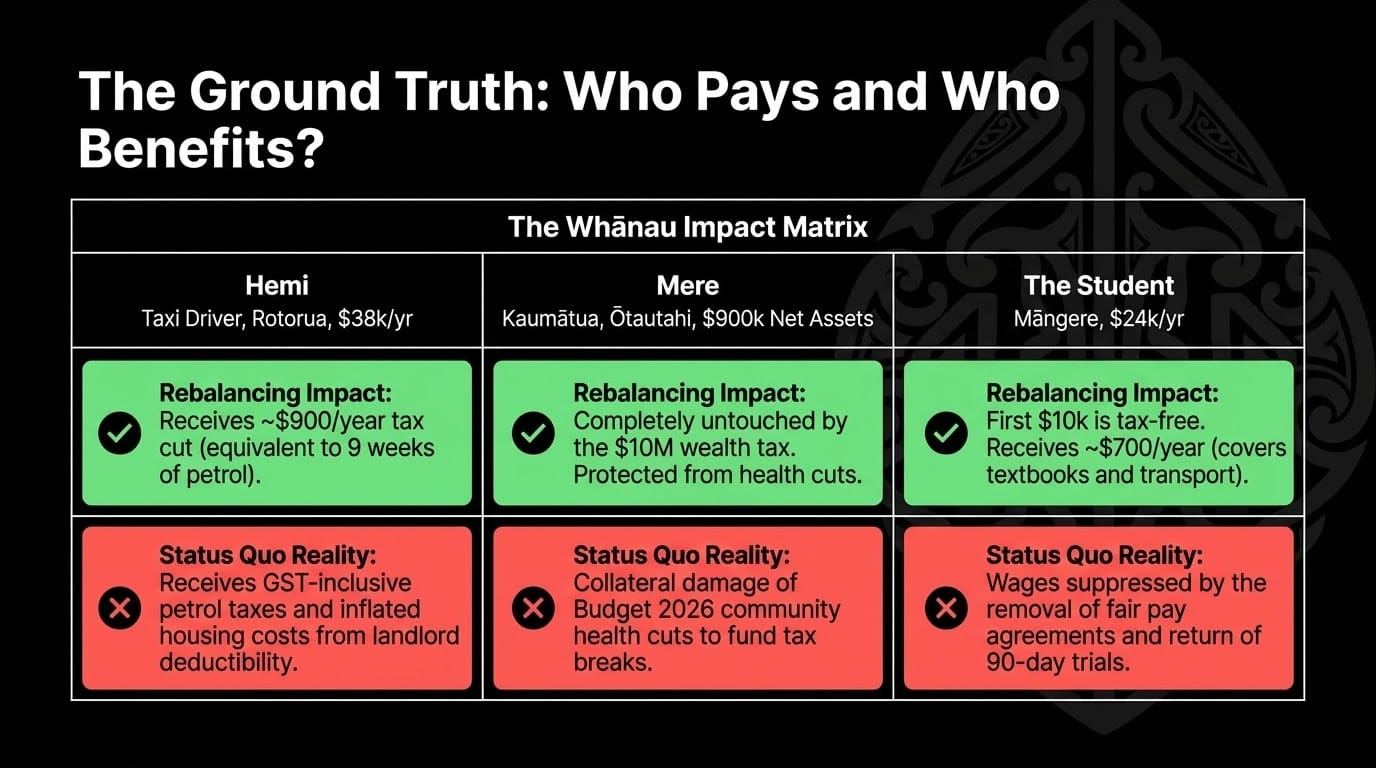
Hemi drives nights in Rotorua. He earns $38,000 a year. Under the Green Party's corrected plan — with a $10,000 tax-free threshold and adjusted lower bracket rates — Hemi receives an effective tax cut of approximately $900 per year. That is nine weeks of petrol for the taxi. That is school shoes for two tamariki. That is two months of power bills.
The error in the IRD funding line does not change Hemi's tax cut by a single dollar. His individual tax relief is drawn from the tax settings table, which was never part of the correction.
Under the current government, Hemi received no tax cut. He received a GST-inclusive petrol tax, a cost-of-living crisis, and a housing market made more expensive by restored landlord interest deductibility.
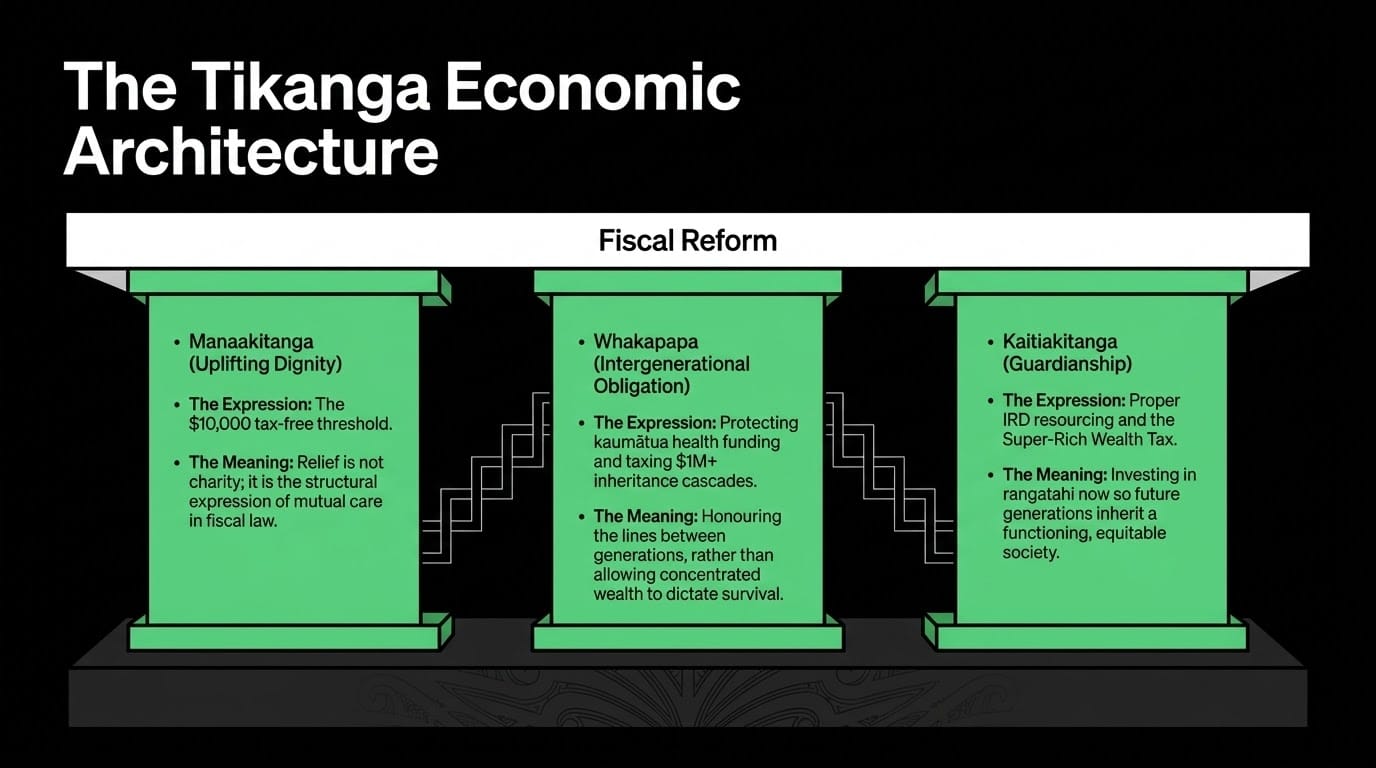
Tikanga principle: Manaakitanga — the obligation to uplift the dignity of others. A tax-free threshold is not charity. It is the structural expression of manaakitanga in fiscal law.
Example Two: Mere the Kaumātua, Ōtautahi
Mere is 74. She lives alone in Ōtautahi. Her KiwiSaver has $220,000. Her home is valued at $680,000. Her total net assets are under $900,000 — well below the $10 million wealth tax threshold. The wealth tax does not touch her. Not even close.
What does touch her: the $27 billion added to the Rich List in one year. The gutting of community health services under Budget 2026. The removal of free prescriptions for people over 65 — a policy this government considered before community outcry stopped it.
Mere is not a beneficiary of the current government's economic management. She is its collateral damage.
Tikanga principle: Whakapapa — the obligations that flow between generations. Protecting kaumātua from preventable hardship is not welfare. It is the honouring of whakapapa.
Example Three: The Student, South Auckland
A 22-year-old student working part-time at a supermarket in Māngere earns $24,000 a year. Under the Green plan, her first $10,000 is tax-free. Her effective tax rate drops meaningfully. She gets back approximately $700 per year — the cost of her textbooks, her bus pass, two months of groceries.
Under this government, she received the restoration of 90-day no-cause dismissal rights for her employer, the removal of fair pay agreements that would have lifted her wage floor, and a cost-of-living crisis that outpaced every wage increase she received.
Tikanga principle: Kaitiakitanga — guardianship across time. Investing in rangatahi now is how future generations inherit a functioning society, not a depleted one.
He Whakakapi | Conclusion: The Score Is Not Close
A sign error on a single line of a fiscal table gave opponents of fairness one news cycle. It was a genuine mistake. It signals real issues about operational capacity and communication sequencing in a small party moving fast. Those issues should be fixed before the election campaign enters its decisive phase.
But let us keep the score honest.
The Green Party made an error in a design document, corrected it the same day, admitted it publicly, and the corrected $5.147 billion plan still stands — independently audited per component, structurally sound, and transparently documented.
This government deliberately suppressed wealth data. Deliberately handed $2.9 billion to landlords. Deliberately chose not to resource IRD to pursue the $9 billion tax gap. Deliberately protected $9.53 billion in bank profits from any additional levy. Deliberately delivered a Budget 2026 that left child poverty rates unchanged while 169,300 tamariki lived in material hardship.
One of these things is an amateur mistake corrected in hours.
The other is a three-year pattern of choices that transfers wealth upward, suppresses the evidence, and calls it responsible economic management.
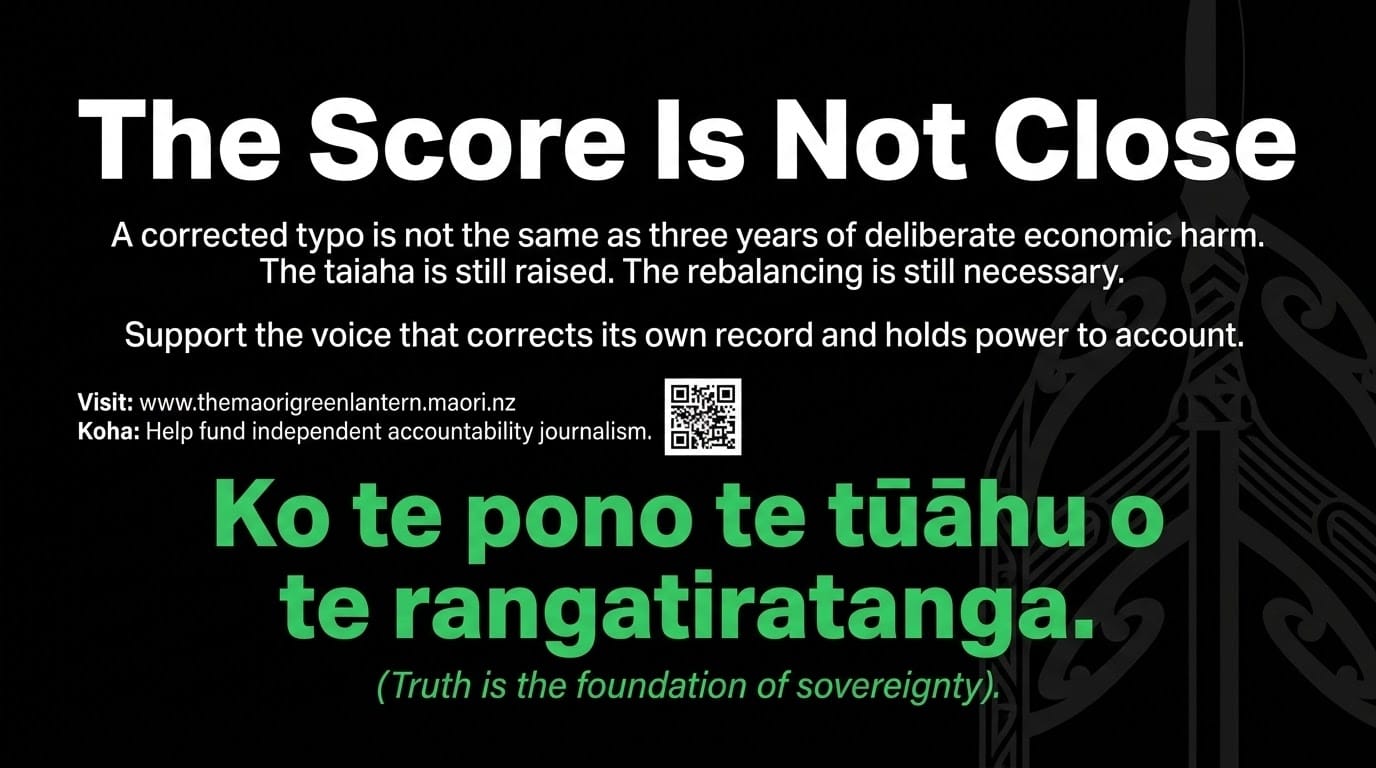
The taiaha is still raised. The rebalancing is still necessary. The corrected numbers still point in the right direction — toward a society that works for the 96%, not the 0.3%.
Ko te pono te tūāhu o te rangatiratanga.
Truth — including uncomfortable truth about our own side — is the foundation of sovereignty.
Kia kaha, whānau. Ka whawhai tonu mātou.
Previous MGL Essays Cited in This Work
This essay builds on verified investigative reporting previously published at www.themaorigreenlantern.maori.nz:
- The Great Rebalancing — 22 June 2026 (this essay updates and corrects)
- The Green Tide Rises — 17 June 2026
- The Helicopter Heist — June 2026
- Financial Apartheid — MGL Archive
- The PM Feasting on Entitlements — 16 June 2026
💚 Koha — Support the Voice That Corrects Its Own Record

Kia ora whānau.
This essay names a mistake made by a party I support and corrects a figure I published this morning. It then names the three-year record of deliberate choices that dwarf that mistake. That kind of accountability — honest to our own side, relentless about those in power — is expensive. It takes time. It takes care. It requires independence from all patronage, including from the parties we want to see succeed.
Every koha to The Māori Green Lantern supports the accountability journalism that holds everyone to the same standard — including the $129 billion Rich List, including the Green Party, including this corner of the internet. No one is above scrutiny here. But the score must be kept honestly: a corrected typo is not the same as three years of deliberate economic harm to whānau.
If you cannot koha — no worries at all. Subscribe. Share. Kōrero with your whānau and friends. That is koha in itself. 💚
🪙 Koha: Support via Koha platform
📩 Subscribe: themaorigreenlantern.maori.nz/#/portal/support
🏦 Bank transfer: HTDM — 03-1546-0415173-000
📘 Facebook: facebook.com/Themaorigreenlantern/subscribe
Ko Ivor Jones ahau. Ko Te Arawa te waka. Ko Ngāti Pikiao te hapū. Ko The Māori Green Lantern tōku ingoa mahi.
Tūturu whakamaua, kia tīna — Hui e, tāiki e.
www.themaorigreenlantern.maori.nz
⚖️ Legal Disclaimer — NZ Defamation Act 1992
This essay is published in the public interest. All factual claims are sourced with verified anchor-text hyperlinks. The correction to the previous essay is explicitly stated and sourced. Named individuals are referenced in their public capacities only. Opinions are clearly identified with factual basis stated in the same paragraph. No malice is intended — pattern of institutional behaviour only. Right of reply available at www.themaorigreenlantern.maori.nz within 48 hours. Research conducted 22 June 2026. Published consistent with Lange v Atkinson 3 NZLR 385 and Durie v Gardiner NZCA 278.