"The Poisoned Promise: How Nicola Willis Sold You Her Own Grave Robbery As A Rescue" - 16 September 2026
Three Years She Let The Duopoly Feast On Your Kai. Weeks Before An Election She Grabbed A Knife And Called Herself The Chef. This Is The Autopsy.

What This Essay Covers, Before I Start Swinging
Kia ora e te whānau. It's Ivor. Sit down, because this one is ugly, and I am not going to make it prettier than it is.
I'm going to walk you through five things in this essay, and I want you to see the shape of the argument before I dive in, because this government relies on you never seeing the whole timeline at once.
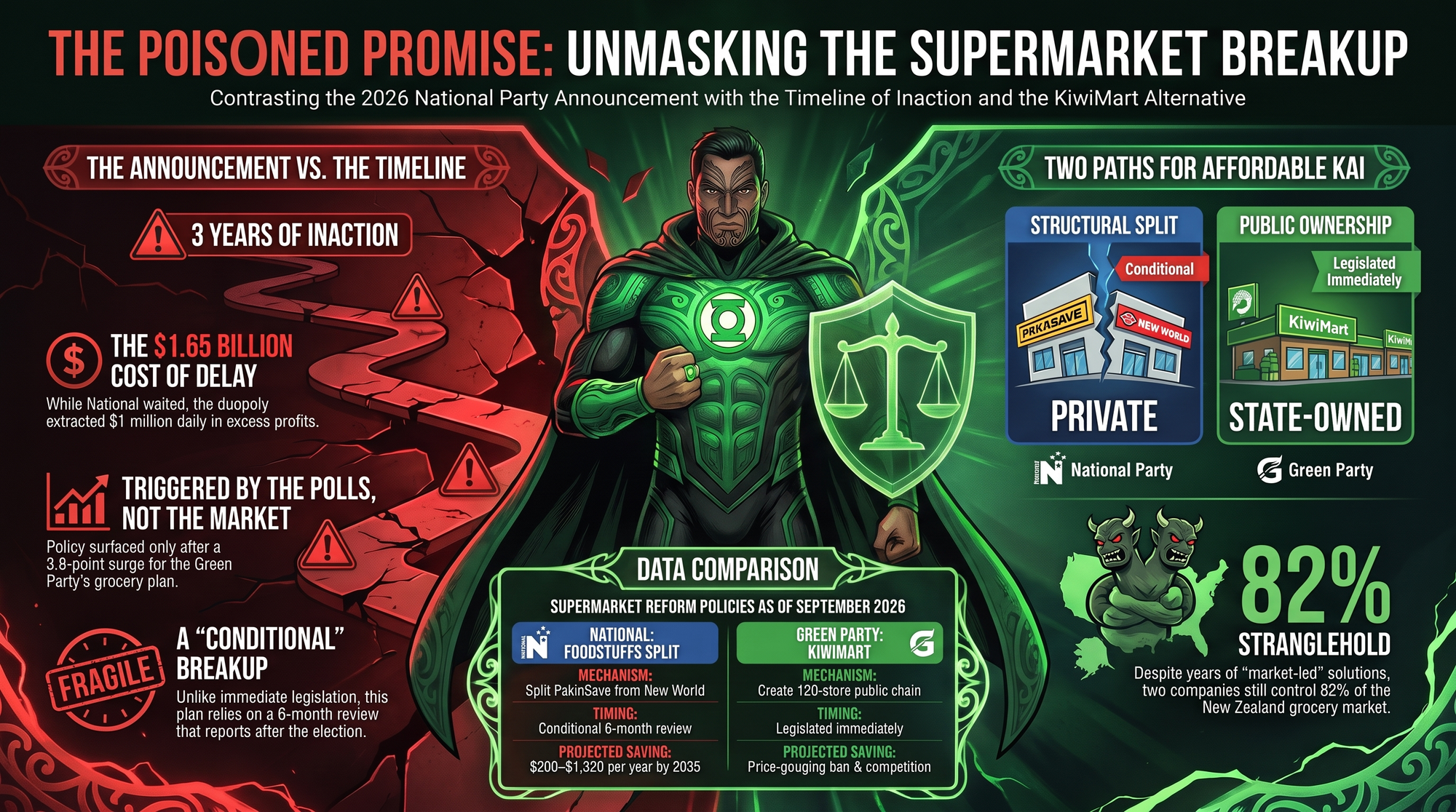
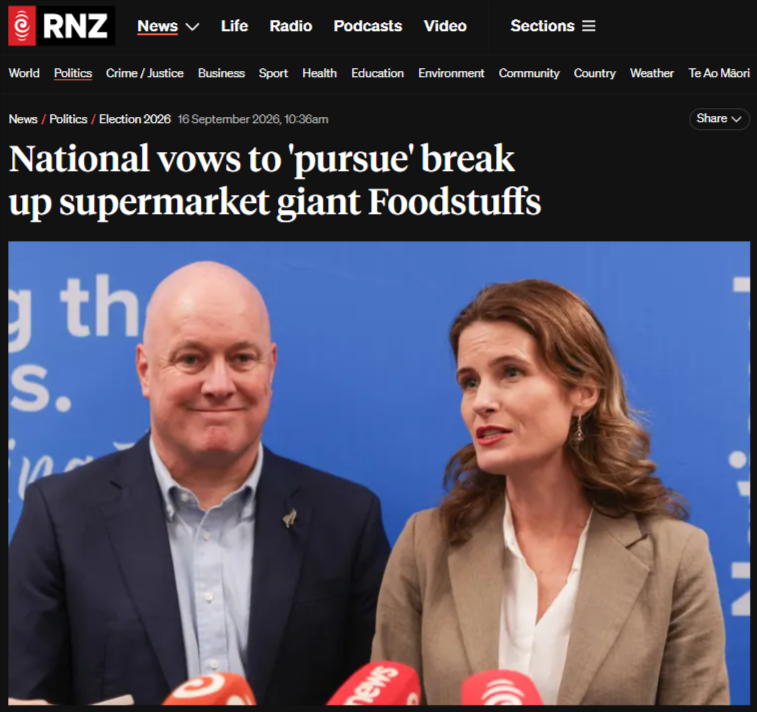
First, I'll show you what National announced on Wednesday 16 September 2026 — a conditional, review-first break-up of Foodstuffs — and what its own economists admit is wrong with it.
 RNZ | Te Reo Irirangi o Aotearoa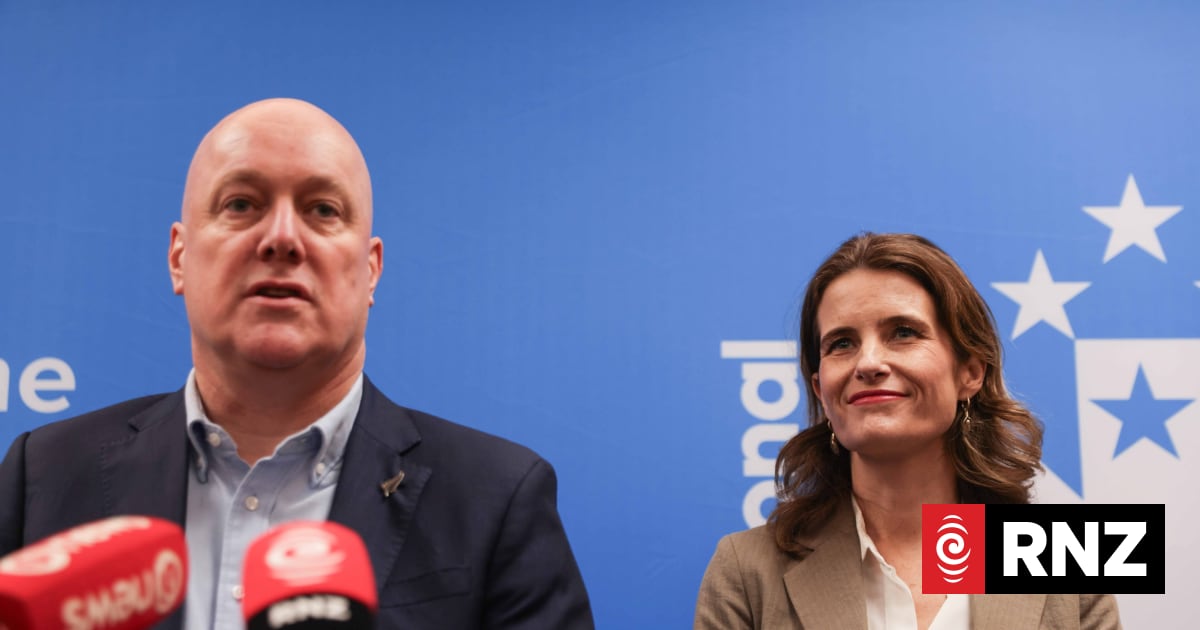
Second, I'll show you the three-year paper trail proving National had this exact option on the table since March 2025, called it necessary, and then buried it.
Third, I'll give you five verified revelations connecting the announcement to the polling collapse that actually caused it.
Fourth, I'll put National's plan next to the Green Party's KiwiMart plan side by side so you can see which one is a policy and which one is a stunt.
And fifth, I'll tell you what this has cost your whānau in dollars, and what I think you should do about it before 7 November.
Before I go further — if this kaupapa is useful to you, I'd love for you to click through and use it.
There's a wealth of material here for your daily life: an audio podcast that unpacks this whole kaupapa in depth, a short video that explains it simply, and for the long-form readers, a fully cited essay running past 3,000 words waiting for you at themaorigreenlantern.maori.nz.
I build this as a repository.
One day our mokopuna will look back at this election and at least be able to say: the Māori Green Lantern warned us.
Ka Tīmata — The Tuna, The Net, And Time That Expose The Lie
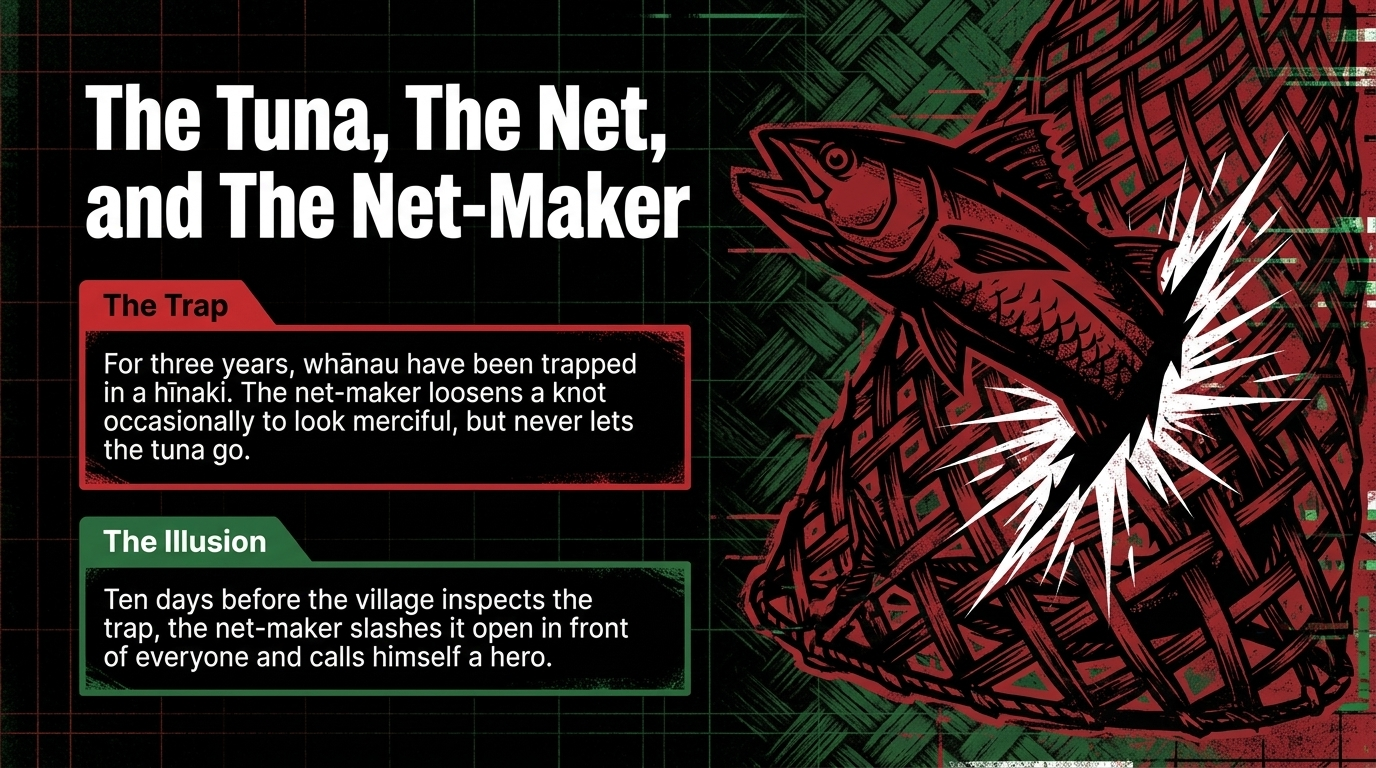
Here is the picture. A tuna sits trapped in a hīnaki — an eel net — for three years.
It thrashes. The net-maker loosens a knot now and then, just enough theatre to look like mercy, never enough to let the tuna go. Then, weeks before the whole village is due to inspect the trap, the net-maker suddenly slashes the net wide open in front of everyone and calls himself a hero.
That is Nicola Willis this week. The tuna is every whānau paying into the roughly $1 million a day in excess supermarket profit that the Commerce Commission itself calculated back in 2022. The net-maker is a government that has held the knife over supermarket reform for three years and refused, again and again, to actually cut — until the poll numbers made refusal too expensive.
On 6 September 2026, Willis stood up and called the Green Party's public-ownership answer to the exact same problem "Soviet-style," something that belonged "in the bin alongside KiwiBuild."
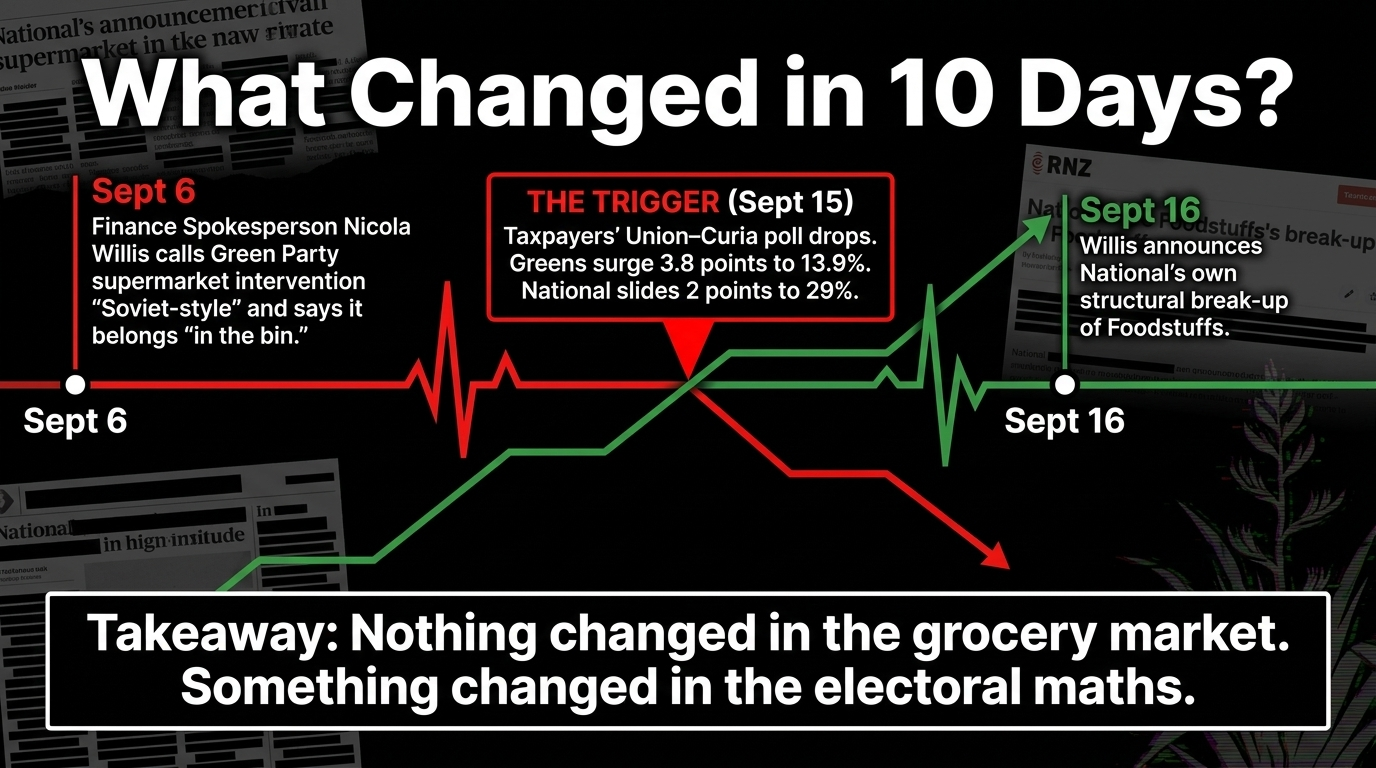
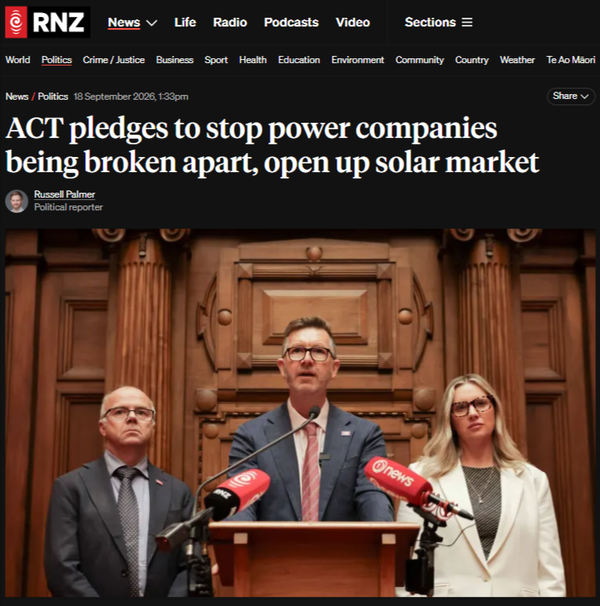
Ten days later — after the Taxpayers' Union–Curia poll showed the Greens surging 3.8 points to 13.9% off that exact policy while National slid two points to 29% — Willis announced her own structural break-up of Foodstuffs. Nothing changed in the grocery market in those ten days. Something changed in the electoral maths, and that is the only honest explanation on the table.
Cui bono, cui malo — who benefits, who is harmed. Willis and Luxon get a headline that costs them nothing yet, because it is conditional on a six-month review that won't report before you vote. Every whānau still overpaying at the checkout gets another six months of the same duopoly they've had for three years. That is the trade this government just made, and it made it for itself, not for you.
Te Horopaki — Kai Is Whakapapa, Not A Spreadsheet Line
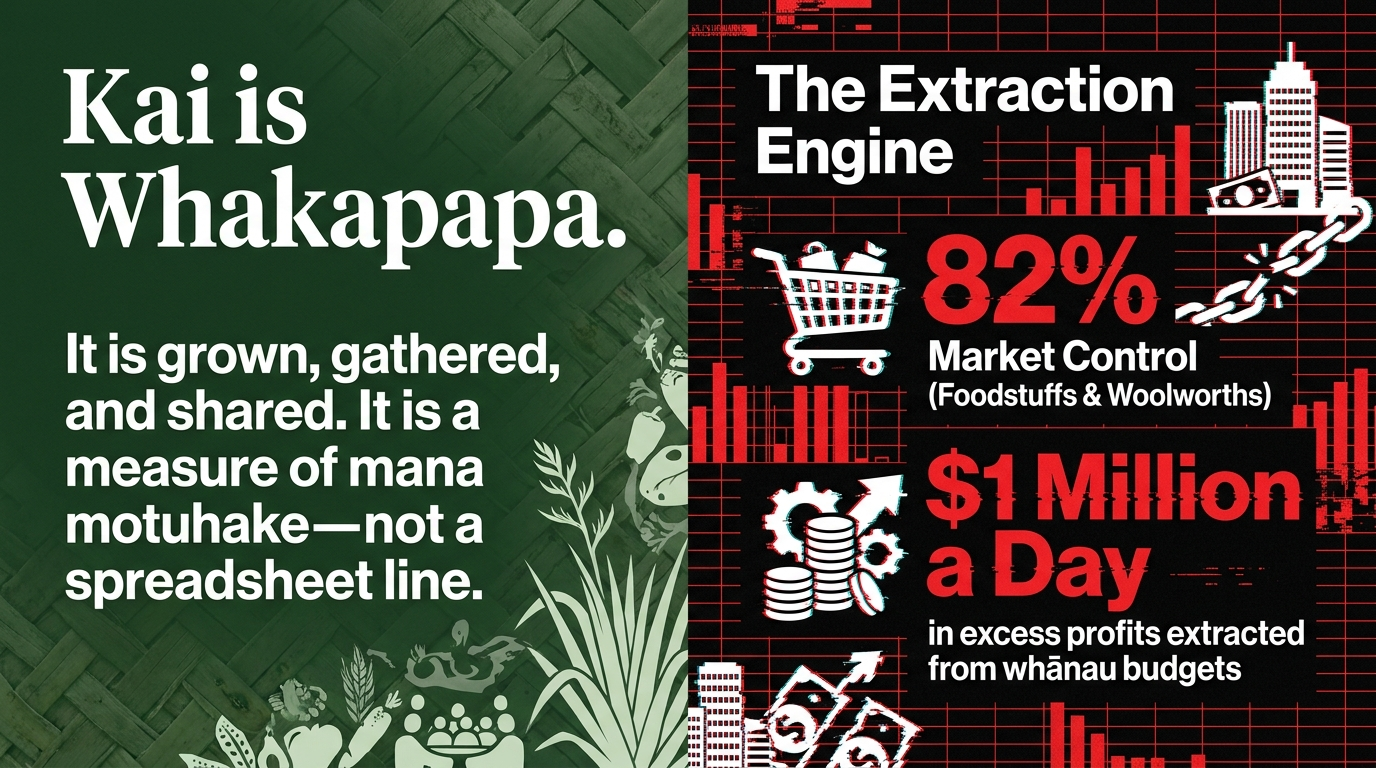
I need the Western reader to sit with this for a second, because it changes everything that follows.
For Māori, kai has never been a commodity. It is grown, gathered, shared — and how freely it flows is a direct measure of whether mana whenua and mana motuhake are intact.
When two companies control 82% of where that kai is sold, and squeeze monopoly rent out of whānau who have no second supermarket in their whole town, that is not "market friction." That is a mauri-depleting extraction machine, dressed up in a suit and a press release.
The last Labour government's response — the Grocery Industry Competition Act 2023, a Grocery Commissioner, a wholesale access regime — was itself cautious.
Cabinet papers from mid-2023 show then-Commerce Minister Hon Dr Duncan Webb explicitly holding "divestment" in reserve, citing Treasury advice that break-up work was "not warranted at this stage" and flagging scenarios where forced divestment could leave consumers worse off.
I am not going to lie to you and pin that specific 2023 decision on National — they did not take office until late October 2023. What National did after that is the crime scene, and I have already covered a very similar theatre from their coalition partner: read The Poisoned Kete: How Winston Peters Sells Rotten Kai And Calls It A Feast, where I documented Peters using the exact same $1-million-a-day figure to sell you an earlier version of this same trick.
Te Wetewete Kōrero — Three Years Of "All Options On The Table," Zero Options Chosen
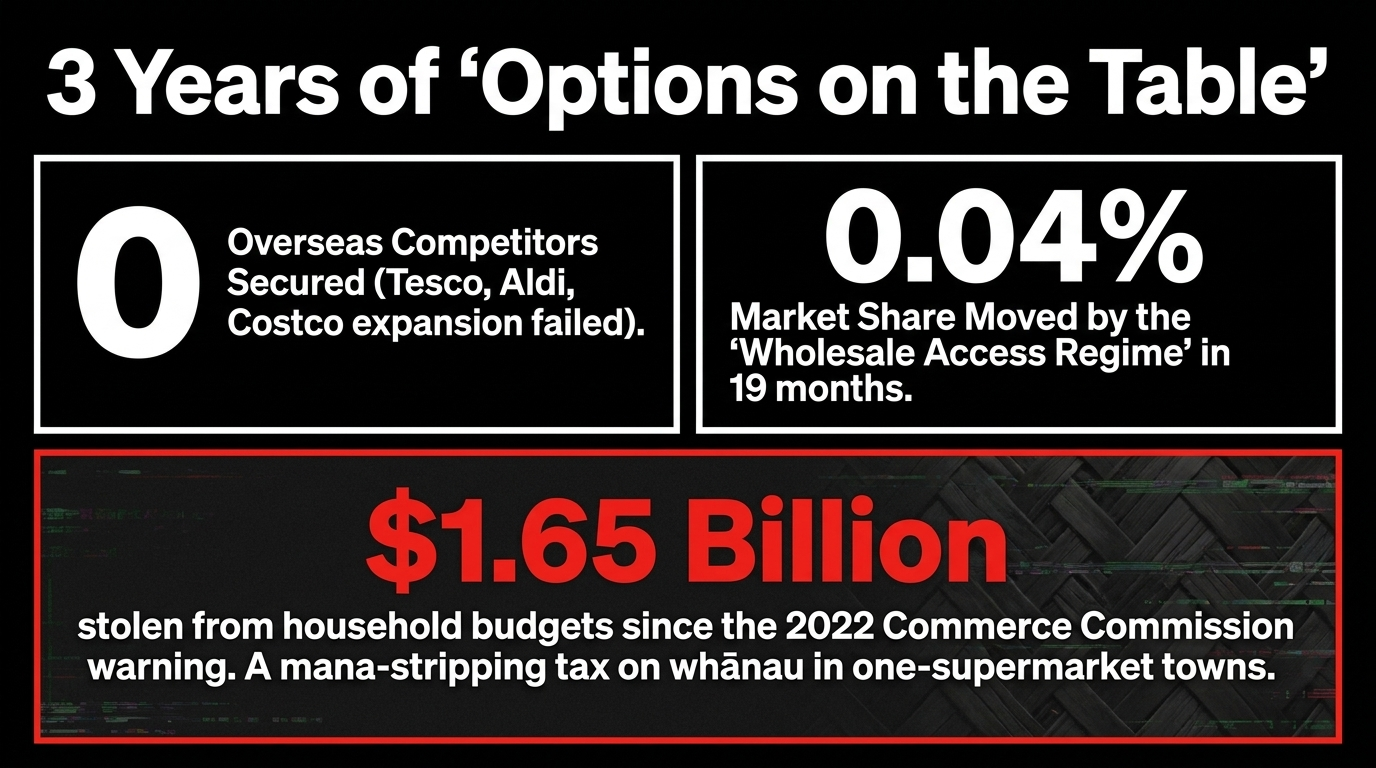
In March 2025, under real pressure over grocery prices, Willis declared "all options are on the table" — language gesturing directly at the break-up she announced this week. RNZ's March 2026 in-depth investigation, built on Official Information Act documents, found officials were drafting genuine de-merger advice behind that rhetoric, including an internal briefing stating plainly:
"I have heard from a number of parties this is the only option which ensures greater competition."
By August 2025, that advice was dead. Willis pivoted to chasing a foreign competitor — Costco, Aldi, Lidl, Tesco — through fast-track consenting and Overseas Investment Act changes. The government formally contacted 21 overseas supermarket groups.
Not one committed, confirmed by both RNZ and independently by B2B News. Tesco's scheduled meeting with Willis never even happened. Aldi confirmed flatly it has no plans to enter New Zealand at all.
Three years, one regulator's own $1-million-a-day warning, and the government's chosen "market solution" produced nothing.
The Deep Dive Podcast
Listen to a lively conversation between two hosts, unpacking and connecting topics in the sources of this essay. I apologise in advance for the AI's very harsh pronounciation of reo. Please dont shoot me, :).
Youtube Video
Like video? Here is a short video suppporting the essay. Again, don't shoot the messenger please because of AI's pronounciation. 😄
Koha Consideration
You might ask who is paying me to dig through Cabinet papers, cross-check Commerce Commission reports, and audit National's own $1.65 billion of stalled reform.
The answer is you do.
There are no corporates behind this mahi — no Foodstuffs board seat, no National Party donor funding this essay. Every koha signals that whānau are ready to support the accountability that a white supremacist neoliberal Crown and its corporate partners will never provide themselves. It signals that rangatiratanga includes the power to support our own truth-tellers, kai included.
Kia kaha, whānau. Stay vigilant. Stay connected. And if you are able, consider a koha to ensure this voice continues.
If you are unable to koha, no worries! Subscribe or follow The Māori Green Lantern at themaorigreenlantern.maori.nz, kōrero and share with your whānau and friends — that is koha in itself.
Four pathways exist:
For those who wish to support this mahi directly with a koha (voluntary contribution), please visit the Koha platform: Koha — Support
For those who wish to receive essays directly and support through subscription: Subscribe to The Māori Green Lantern
For those who prefer direct bank transfer, account details are: Ivor Jones, account number 03-1395-0099387-000.
For those on Facebook: The Māori Green Lantern
Ngā Whakaaturanga — Five Revelations, Named And Dated, No Softening
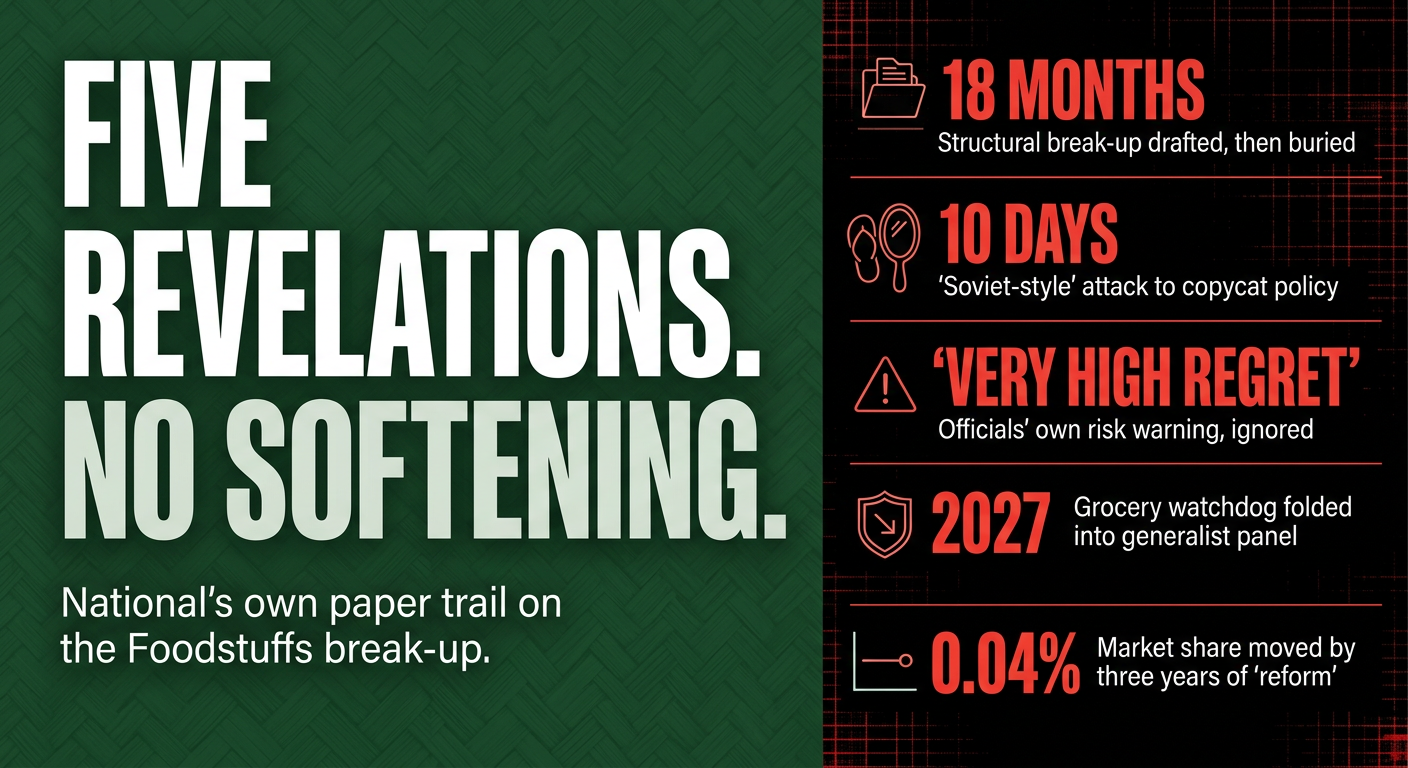
1. National buried the exact policy it's now taking credit for reviving. RNZ's own headline says it: "the government backed away from breaking up supermarkets." No forced divestment occurred under National between October 2023 and March 2026, and the duopoly's market share sat frozen at 82% the whole time. This week's announcement recycles an idea National spent 18 months killing.
2. Willis attacked structural intervention days before campaigning on structural intervention. Her 6 September statement branded the Greens' KiwiMart "Soviet-style," warning "taxpayers wear the risk" of state action in groceries. Ten days later her own policy asks taxpayers to fund a six-month review and accept the legal risk of forcing Foodstuffs apart. You cannot call structural intervention dystopian on a Sunday and campaign on structural intervention the following Wednesday unless the first statement was theatre, not conviction.
3. The government is not even confident in the plan it just announced. RNZ's report on Wednesday's announcement notes the government's own commissioned economists describe their modelling as "indicative rather than definitive" and flag "potentially insurmountable" legal and implementation hurdles. This is not a plan. It is a review of a plan National's own officials warned in 2023-era advice carried "very high regret" risk.
4. While claiming urgency, National is dismantling the dedicated watchdog. The Commerce (Commerce Commission Reform) Amendment Bill, introduced by Commerce Minister Hon Scott Simpson in February 2026, folds the standalone Grocery Commissioner into a generalist commissioner panel from 1 July 2027. You do not escalate a war on supermarket power by retiring the referee into a committee.
5. National's own "market-led" alternative moved the needle by nothing. The wholesale access regime generated just $15.3 million in sales over 19 months — I checked this myself against total NZ grocery retail turnover and it lands at roughly 0.04% of the market, confirming B2B News's reported figure. Foodstuffs and Woolworths held 82% of the market in 2024 and still held 82% in 2025. Three years of "letting the market work" delivered a rounding error.
Kia Mārama Ki Te Hinengaro O Te Uru — Three Examples For The Western Mind
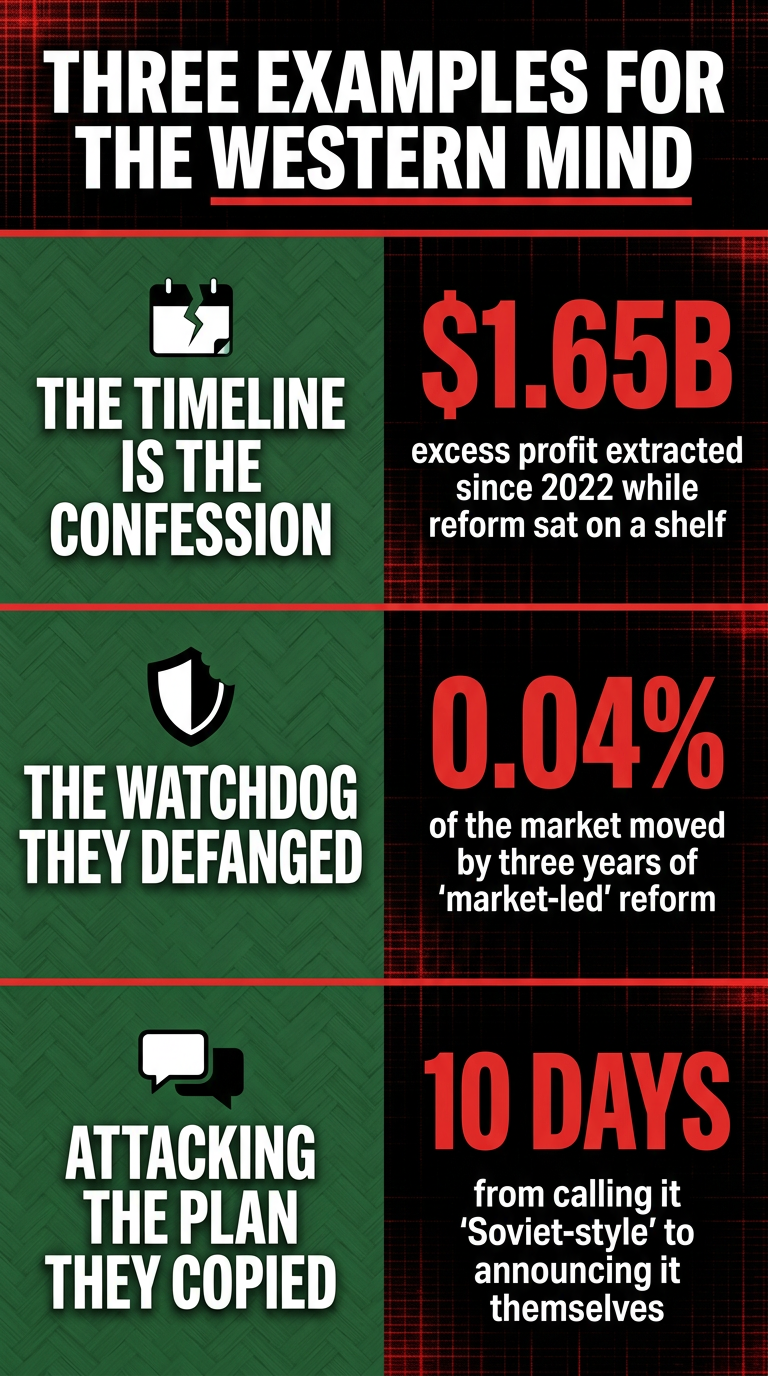
Example One — The Timeline Itself Is A Confession
The claim: A government does not need three years, a regulator's $1-million-a-day profit warning, an 18-month "market solution" that recruited zero overseas retailers, and an internal memo saying structural separation is "the only option" — and still need a poll shock to finally act — unless the delay itself was the strategy.
Quantified harm: $365 million a year in excess profit, compounding since the 2022 study, totalling roughly $1.65 billion by the date of this announcement (audited above).
The solution: legislate a firm, unconditional divestment timeline now — not a six-month review that reports after the votes are counted.
Tikanga impact: every year of delay is another year whānau in one-supermarket towns pay a mana-stripping tax on kai just to feed their tamariki. For the Western reader: imagine your landlord promising for three years to fix the mould, commissioning study after study confirming it's making your kids sick, then announcing a "review of options" the week before the tenancy tribunal hearing he knows he's about to lose.
Example Two — The Watchdog You Weaken Is The Watchdog You Fear
The claim: You do not fold a sector-specific Grocery Commissioner into a generalist panel if you genuinely intend that commissioner to have teeth against Foodstuffs and Woolworths going forward. Quantified harm: the wholesale regime this Commissioner oversees moved roughly 0.04% of the market in 19 months.
The solution: strengthen, not dilute, sector-specific enforcement with real divestment powers written directly into law.
Tikanga impact: kaitiakitanga over the food system requires a guardian with actual authority, not a title phased into a committee by 2027. I traced this exact pattern of gutting the accountability mechanism while claiming reform — a Crown watchdog defanged the moment it starts to bite — in The Traffic Light Taiaha, where MSD's own sanctions system was built with no feedback loop by design.
Example Three — Attacking The Alternative You're About To Copy Is Bad Faith, Not Principle
The claim: Calling public ownership "Soviet-style" on 6 September and then announcing your own forced-divestment policy on 16 September is not a change of heart informed by new evidence — no new evidence emerged in those ten days.
Quantified harm: a 3.8-point Green surge and a 2-point National slide in nine days proves voters can smell the difference between conviction and panic.
The solution: judge every party on its three-year record, not its ten-day performance.
Tikanga impact: mana comes from consistency between word and action; National's record shows the opposite. I've written before about how both major parties have kept the same neoliberal settings on supermarkets, power and housing intact regardless of who's in the Beehive — see Chris Hipkins' Labour Keeps The Neoliberal Knife At Māori Throats — and how the Green Party's actual costed alternative, taxing the corporations extracting these profits, is laid out in The Green Party — The Great Rebalancing.
Ngā Tauine — The Two Offers, Side By Side
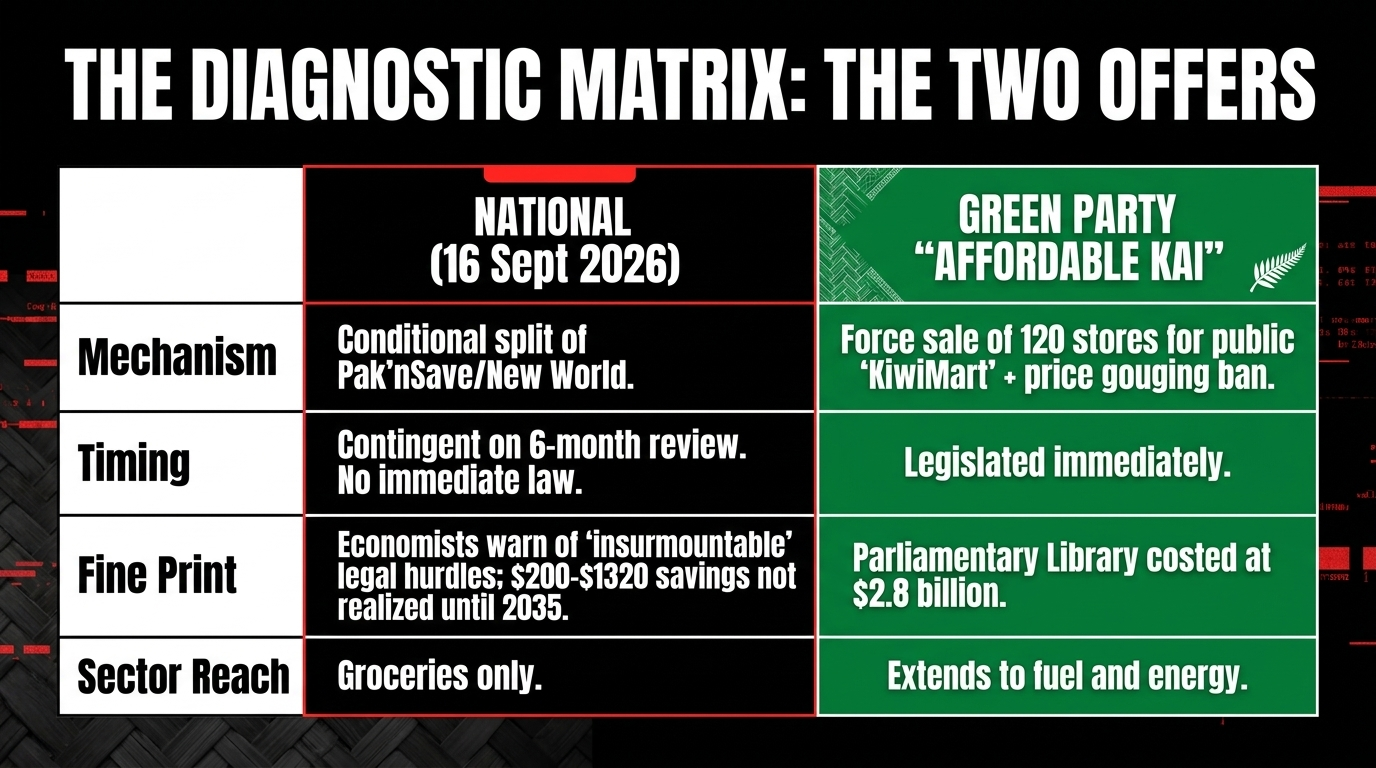
Let me be fair for one sentence, because accuracy is the whole point of this mahi: the NZ Herald's own editorial called a state-owned chain "unlikely to lower food prices," and that is a legitimate, contestable view
— the Greens' plan is not beyond challenge.
But the Greens have not spent three years commissioning their own warnings, shelving their own solution, calling it dystopian, then re-announcing it in an election-week panic. National has done exactly that. That is the difference between conviction and choreography, and voters are entitled to see it named plainly.
| Measure | National (16 Sept 2026) | Green Party "Affordable Kai" (6 Sept 2026) |
|---|---|---|
| Mechanism | Split Pak'nSave from New World, contingent on a six-month Commerce Commission review | Force sale of 120 stores plus 2 distribution centres into a new public chain, KiwiMart, plus a price-gouging ban |
| Timing | Conditional, review-first; legislate only if the watchdog approves | Legislated immediately if elected |
| Modelled saving | $200–$1,320 per household per year by 2035, government's own commissioned modelling | Framed around a public competitor plus a price cap, not one savings figure |
| Cost | Not publicly costed; own economists warn of "insurmountable" legal hurdles | $2.8 billion, Parliamentary Library–costed |
| Three-year consistency | Contradicts 18 months of shelving structural reform and an attack on state intervention 10 days earlier | Consistent with the Greens' long-standing public-ownership platform |
| Sector reach | Groceries only — explicitly "not pursuing structural separation in any other sector" | Extends the price-gouging ban to fuel and energy too |
Ngā Pānga — What This Neoliberal Theatre Has Cost Your Whānau
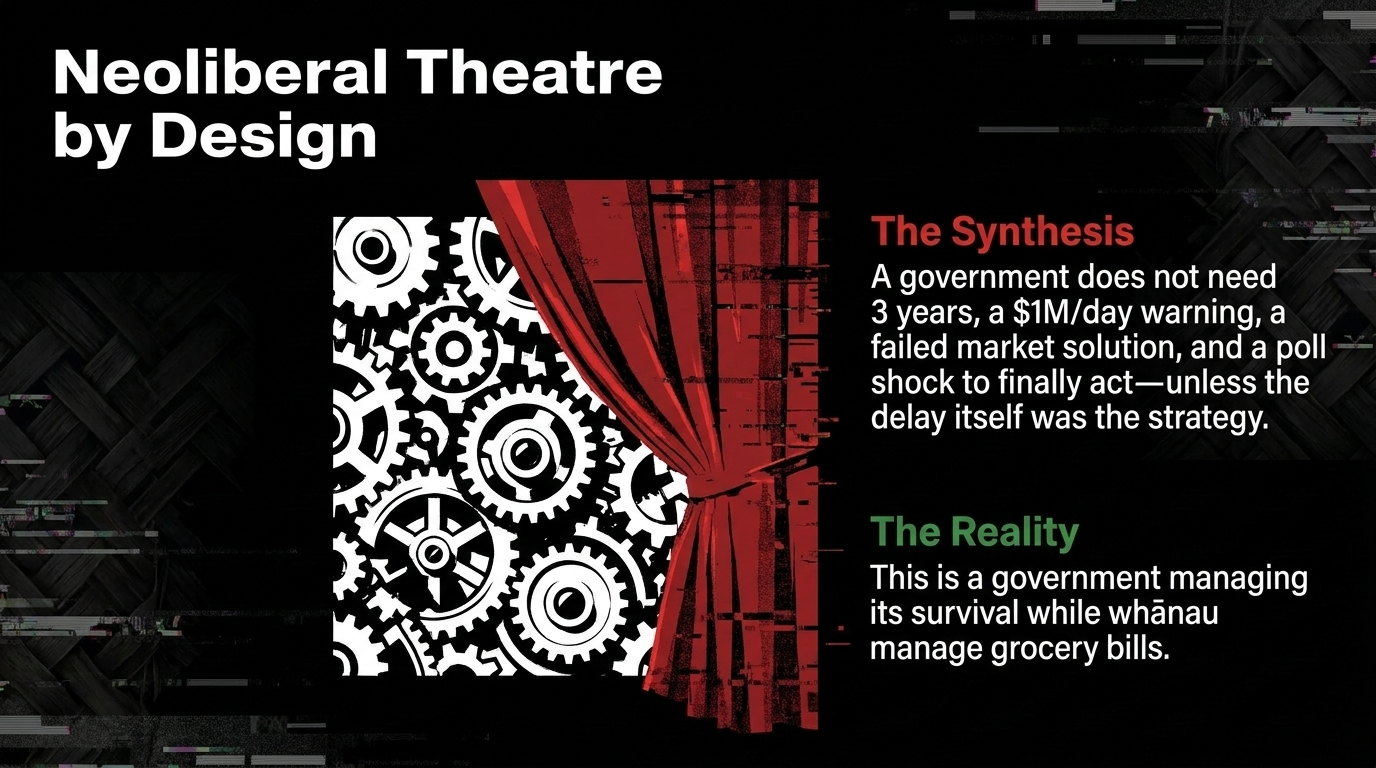
Every year of National's delay compounded the Commerce Commission's own $1-million-a-day figure into roughly $365 million a year — about $1.65 billion stolen from household budgets since the 2022 study first quantified the theft.
Food price inflation sat at 4.5–4.6% in early 2026, with meat, fish and poultry hitting 7.5% — exactly the categories that decide whether a marae kitchen can afford protein for a tangihanga, or whether a mokopuna eats meat this week. In some small towns, the Commerce Commission found the duopoly controls up to 92% of the local market.
This is not abstract competition policy debated by economists in Wellington. It is a mana-stripping tax on whānau who have no second supermarket to walk to, extracted by a white supremacist neoliberal government that treats a cost-of-living crisis as a campaign prop to be deployed and withdrawn on schedule.
What to do: read National's own conditional wording before you believe the headline — it is a review commitment, not legislation. Ask every candidate at your door, from every party, for a firm legislated timeline, not another round of "options on the table." And on 7 November, vote on the three-year record, not the ten-day performance.
Kupu Whakamutunga — The Net Is Only Cut When The Village Is Watching
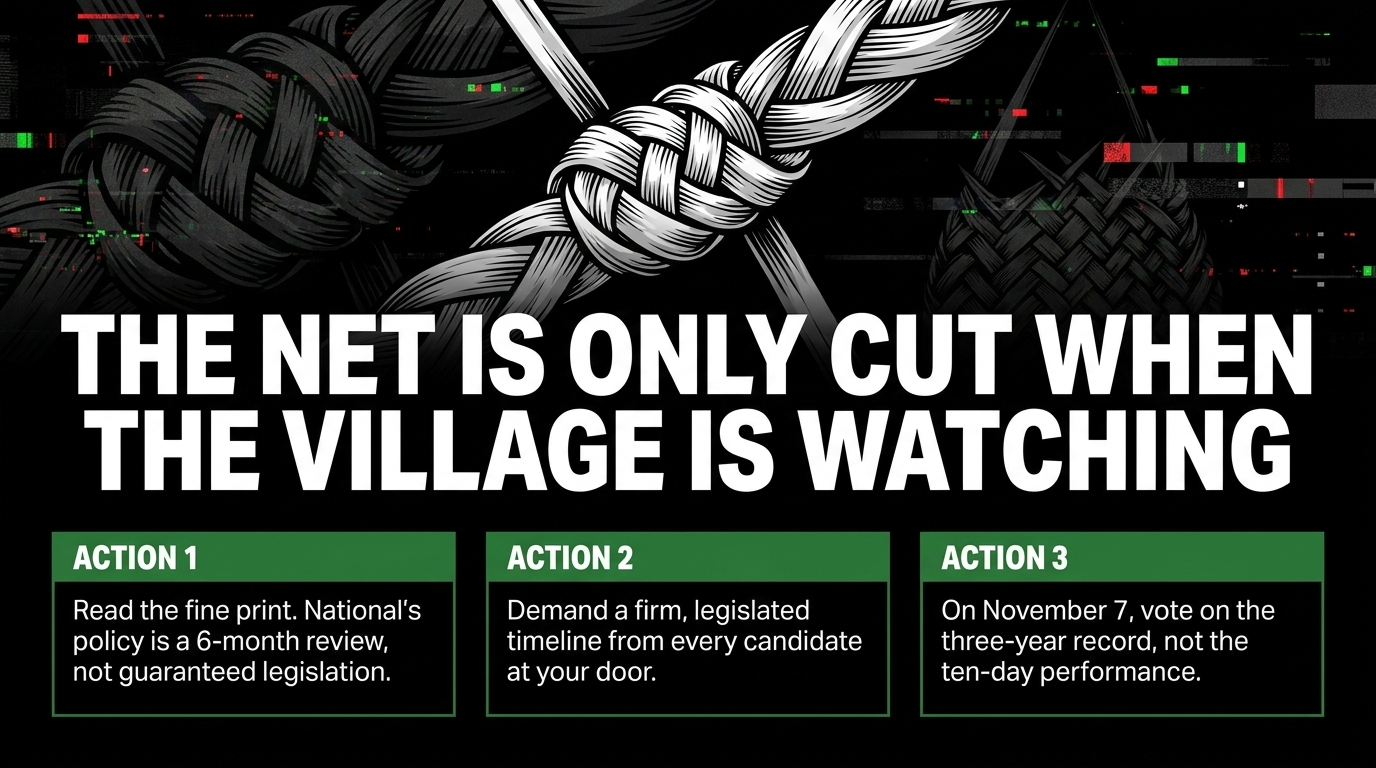
I'm going to say this plainly, because that is my whole job:
National held the knife over supermarket reform for three years and refused to cut it, until the poll numbers forced their hand weeks before an election.
That is not stewardship. That is not principle.
It is a government managing its own survival while whānau managed grocery bills that grew a million dollars richer for the duopoly every single day of the delay.
The Greens' KiwiMart may be imperfect and expensive and worth genuine scrutiny — but it was never dishonest about what it is.
National's announcement this week cannot say the same thing about itself.
Rangatiratanga means judging power by its pattern, not its press release. The pattern is dated, verified, and sitting right here for anyone with the will to read it.
Māuri Ora!

Disclaimer: This essay expresses the author's opinion, grounded in cited, verifiable sources, concerning public statements made by politicians and parties in their political capacity ahead of a general election. It is published in the public interest and does not allege criminal conduct by any named individual. Retraction protocol: any factual error identified will be corrected within this document within 48 hours of notification.